




The heart and blood vessels get most of the attention in conversations about circulation, but a second fluid network works quietly in the background: the lymphatic system. It maintains fluid balance, collects excess fluid from the tissues, filters out cellular waste and supports the body's natural defenses. Keeping it moving matters for energy and comfort, especially as we get older.
The lymphatic system has no central pump. Blood has the heart, but lymph depends on your muscles, your breathing and the flexibility of the surrounding tissues to move upward against gravity from the feet and legs toward the chest. Long hours at a desk, long trips or standing in place slow that process down. This guide explains how lymph moves and which daily habits, plus targeted nutrition, can support it.
How Lymph Moves
Lymph is a clear fluid that carries white blood cells and waste through a network of tiny vessels and lymph nodes. The system collects excess fluid from the tissues, filters it, and returns it to the bloodstream.
Lymph flow depends on the muscle pump. Each time you walk, stretch or breathe deeply, your muscles press on the lymph vessels and push fluid upward. Without regular muscle contractions, gravity makes it hard for fluid to travel up from the legs, and it can collect in the tissues around the ankles and calves.
Detox and Drainage: What Your Lymphatic System Does
"Detox" is usually associated with juice cleanses and strict diets, but your body already has its own system for managing waste, and the lymphatic network is central to it. Lymph nodes trap unwanted material so immune cells can deal with it. You don't need extreme measures to support this system. What helps is creating conditions that let it work without obstacles: moving, drinking enough water, breathing deeply, sleeping well and eating whole foods.
Daily Habits That Support Lymphatic Flow
Move throughout the day
Small, frequent movements work better for lymph flow than occasional intense workouts. A daily walk of 15 to 20 minutes engages the muscles in your legs and abdomen and keeps fluid moving. At your desk, these low-impact moves help:
- Heel-to-toe rocking. While standing, rock forward onto your toes with your heels lifted, then rock back onto your heels with your toes lifted. This alternately contracts the calf and shin muscles.
- Seated foot flexes. Extend your legs slightly, point your toes away from you, then pull them back toward your shins.
- Knee hugs. Sitting upright, lift one knee at a time toward your chest and hold it briefly. This stimulates the area around your hips and lower abdomen.
Other helpful activities include yoga, especially stretches, twists and poses such as Downward Dog, Child's Pose and Bridge Pose. Twisting poses gently compress and release the abdomen, which is rich in lymph nodes. Rebounding on a mini trampoline is another popular option, and the up-and-down motion may help the one-way valves in the lymphatic vessels move fluid upward. If you are new to any of these, start slowly and build up. Consistency matters more than intensity.
Breathe deeply
Deep diaphragmatic breathing changes the pressure in the chest and abdomen, which helps pull lymph upward from the legs and into the bloodstream. It also lowers stress.
- Diaphragmatic breathing. Sit or lie comfortably with one hand on your chest and the other on your abdomen. Breathe in slowly through your nose so your abdomen rises, then breathe out slowly through your mouth. Repeat for 5 to 10 minutes.
- Box breathing. Breathe in for 4 counts, hold for 4, breathe out for 4 and pause for 4. This calms the nervous system.
Try it in the morning, before bed, or between meetings.
Stay hydrated
Water is the main component of lymph, and without enough of it, lymph can become thicker and harder to move through the small vessels. Aim for roughly eight to ten glasses a day, and sip regularly instead of drinking large amounts at once. Add a slice of lemon or cucumber if plain water feels dull, and eat water-rich foods such as cucumbers, watermelon and celery. Herbal teas such as ginger, peppermint, dandelion and nettle are traditionally used in wellness practices to support fluid balance, and they count toward your daily total. Start the day with a glass of water to rehydrate after sleep.
Eat whole foods
A diet high in processed foods and salt can contribute to water retention and put more load on your drainage pathways. Whole foods provide the water and nutrients that keep fluid moving.
- Leafy greens such as kale, spinach and arugula provide antioxidants and magnesium.
- Citrus fruits and berries provide vitamin C, which supports the collagen that gives vessel walls their structure, along with antioxidants.
- Potassium-rich foods such as sweet potatoes and avocados help maintain normal fluid balance.
- Nuts and seeds such as walnuts and flaxseeds provide omega-3 fatty acids.
Try dry brushing
Dry brushing uses a firm natural-bristle brush on dry skin to stimulate the small lymphatic vessels just beneath the surface. Spend three to five minutes before your morning shower, starting at the soles of your feet and stroking upward toward your heart with light, sweeping motions. It should feel invigorating and shouldn't hurt or leave your skin red. People with sensitive skin, open wounds or skin conditions should be careful or avoid affected areas.
Consider lymphatic drainage massage
Manual lymphatic drainage uses very light, rhythmic strokes to stretch the skin and encourage fluid movement. It is different from deep tissue massage. You can see a certified lymphatic drainage therapist or learn simple self-massage at home: use gentle upward strokes starting at the feet and working toward the heart, with extra attention to the collarbone, neck and underarms.
Protect your sleep and manage stress
Chronic stress creates tension in the body that may interfere with smooth flow, and deep breathing is one of the simplest ways to counter it. Sleep matters too, because the body repairs itself during deep rest. Aim for 7 to 9 hours: keep a regular schedule, wind down with a book, meditation or herbal tea, and avoid caffeine and screens before bed.
Set up your workspace
Set your chair so your feet rest flat on the floor and your knees stay at a relaxed angle. Avoid crossing your legs at the knees or ankles, which can compress the vessels behind the knee and limit fluid return, and leave a small gap between the seat edge and the backs of your knees. Graduated compression socks, firmest at the ankle and easing toward the calf, can help guide fluid upward during long hours of sitting or travel.
Nutritional Support From Within
Citrus bioflavonoids have been researched for their ability to support the strength and tone of small vessel walls. When they are micronized, meaning the particle size is reduced, they are absorbed much more efficiently, so the body can use them.
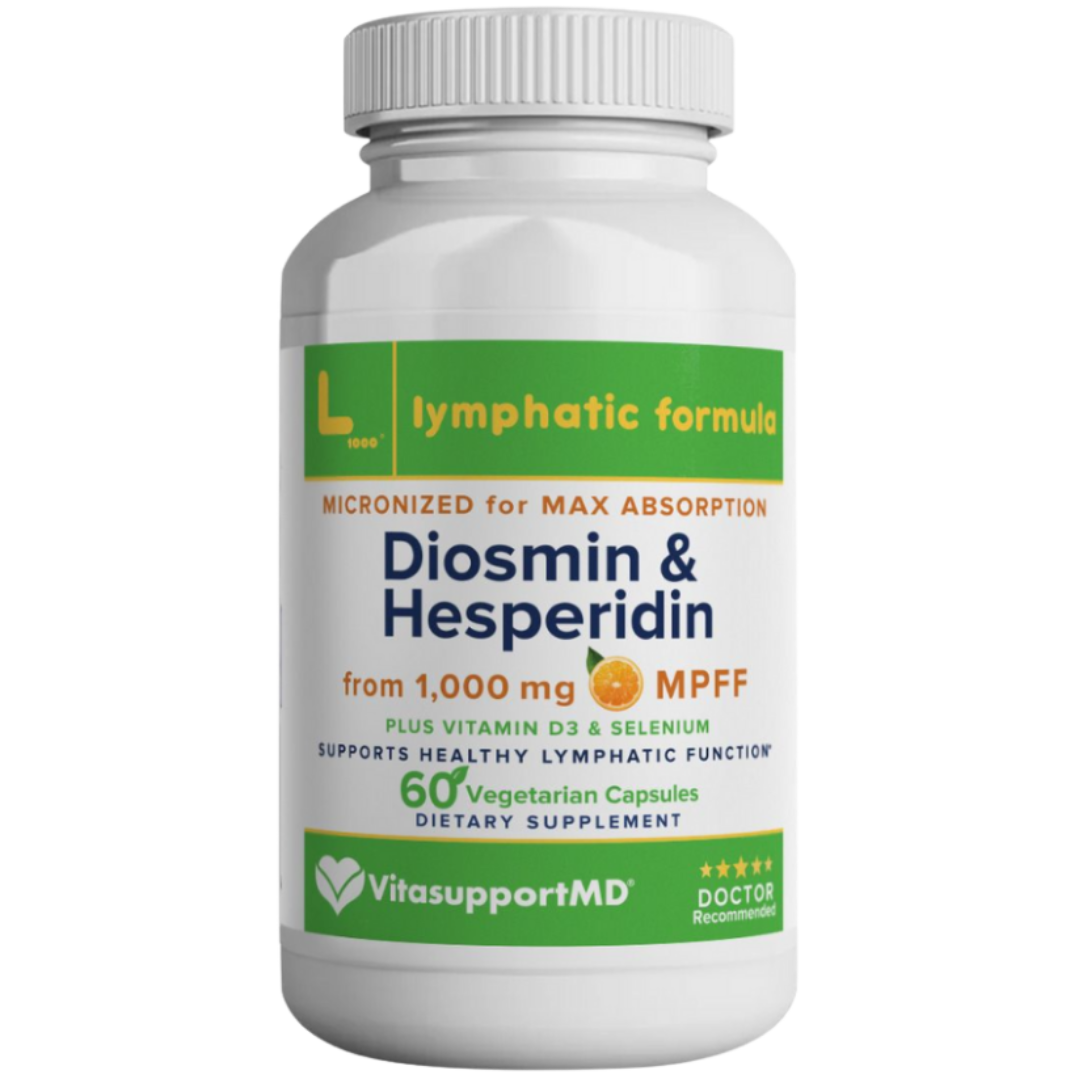
VitasupportMD's Lymphatic Formula is a doctor-formulated option. Each serving provides 1000 mg of Micronized Purified Flavonoid Fraction (MPFF), a complex of 900 mg diosmin and 100 mg hesperidin from citrus rind, with 2000 IU of Vitamin D3 and 200 mcg of Selenium. The blend is designed to support healthy lymphatic function and drainage and everyday circulatory support. Diosmin, hesperidin and selenium also provide antioxidant support.
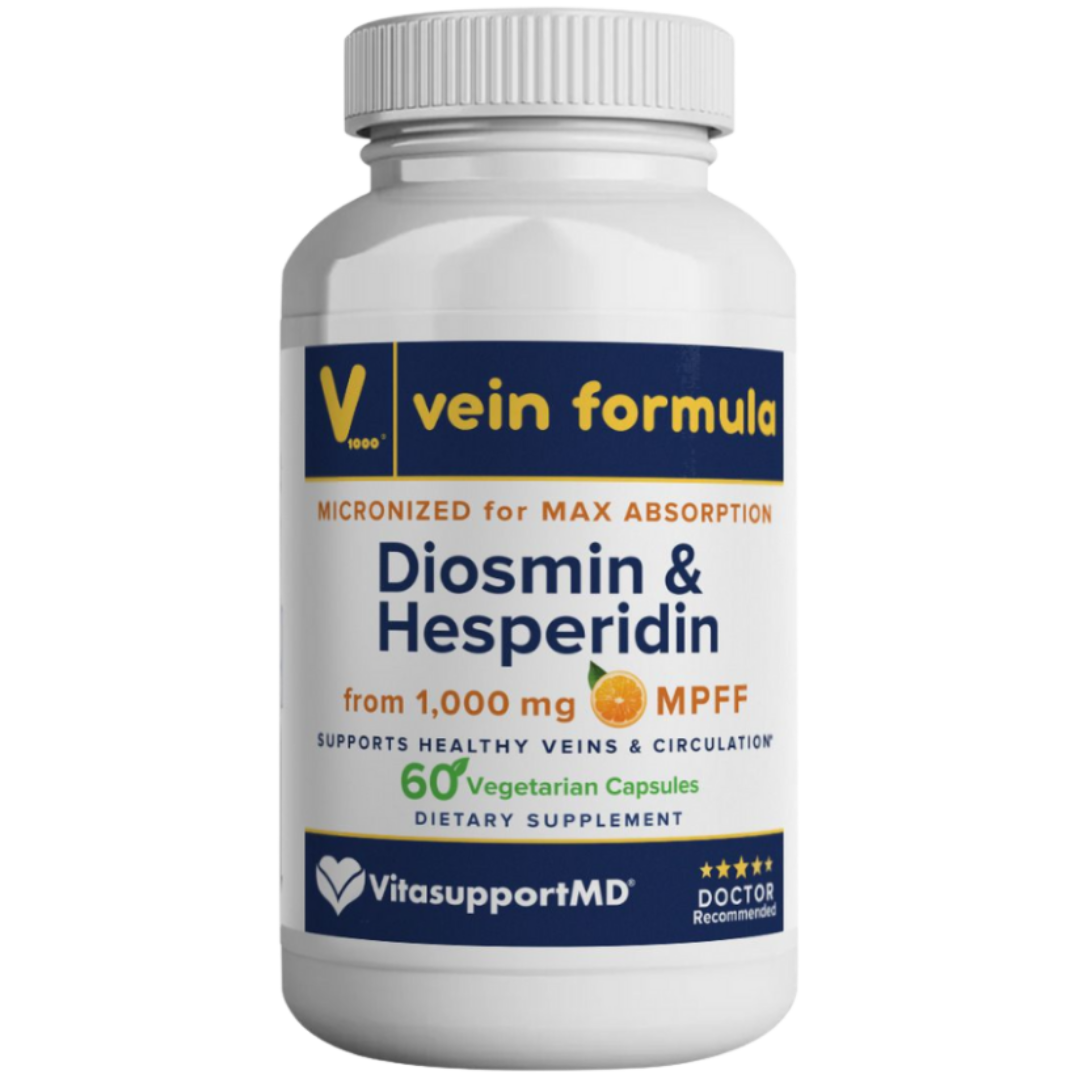
The venous and lymphatic systems work closely together to manage fluid return from the legs. VitasupportMD's Vein Formula provides the same 1000 mg of MPFF and focuses on venous tone and circulation in the legs. Lymphatic Formula adds Vitamin D3 and Selenium to support lymphatic function and the immune side of the lymphatic network. For more ideas, see our top 5 natural remedies for lymphatic health.
Signs Your Lymphatic System May Need Support
Swelling in the arms, legs or abdomen, unusual tiredness, bloating and skin issues can signal that the lymphatic system needs support. These signs have many possible causes. See a doctor if you have swelling that is sudden, only in one arm or leg, painful or doesn't go away.
Conclusion
Supporting your lymphatic system takes small, steady habits: movement through the day, deep breathing, enough water, whole foods, good sleep and, if you choose, targeted nutrition. Results vary, and most people notice changes after a few weeks of consistent effort. A new year, or any ordinary Monday, is a good time to start.
Related Articles
- What makes legs feel heavy or tired
- Best supplements for leg circulation
- Everyday habits that may support hemorrhoidal vein comfort
- How to get energy naturally
- Cold weather and circulation
Frequently Asked Questions
Why can fluid collect in the lower legs during long periods of sitting? The lymphatic vessels have no central pump and depend on leg muscle contractions to push fluid upward against gravity. When you sit or stand still for hours, the muscles stay relaxed and fluid can collect around the ankles and calves.
How does movement help the lymphatic system? Walking, yoga and rebounding activate your muscles, which press on the lymph vessels and push fluid along. Even small movements such as ankle pumps and seated marches help.
Can I support my lymphatic system while sitting at a desk? Yes. Do ankle pumps, seated marches and deep belly breathing, stand up and stretch every hour, and consider compression garments for passive support.
Does drinking water help lymph flow? Yes. Water is the main component of lymph, and staying hydrated helps it move easily through the vessels. Aim for roughly eight to ten glasses a day, plus water-rich foods like cucumber and watermelon.
How does deep breathing help? Diaphragmatic breathing changes pressure in the chest and abdomen, which creates a pumping effect that helps move lymph upward and also lowers stress.
Can I use dry brushing every day? Yes, for most people. Use gentle, upward strokes toward the center of the body for a few minutes before bathing. People with sensitive skin, open wounds or skin conditions should be careful or avoid affected areas.
What is lymphatic drainage massage? A gentle technique that uses light, rhythmic strokes to help lymph fluid move and reduce puffiness. You can see a certified therapist or learn self-massage techniques at home.
How do micronized bioflavonoids support lymphatic balance? Bioflavonoids like diosmin and hesperidin support the structure and tone of small vessel walls. Micronization reduces particle size, which makes them easier for the digestive system to absorb.
How is Lymphatic Formula different from Vein Formula? Both use 1000 mg of MPFF. Vein Formula focuses on venous tone and circulation in the legs. Lymphatic Formula adds Vitamin D3 and Selenium to support lymphatic function, drainage and the immune side of the lymphatic network.
How soon will I notice changes from lifestyle adjustments? It varies. Some people feel lighter or more energized within a few weeks of improving hydration and movement. Consistency matters more than intensity.
How can I tell if my lymphatic system isn't working well? Watch for swelling in the arms, legs or abdomen, unusual tiredness, bloating or skin issues. These have many possible causes, so check with a doctor if they persist.
es/


