




Feeling drained is common. You can wake up after a full night of sleep and still feel groggy, or hit an afternoon slump that sends you to a second or third coffee. Caffeine and sugar give a temporary lift and often lead to a crash. Steadier energy usually comes from simple daily habits.
This guide covers those habits, including one that often gets overlooked: your circulation. Blood delivers oxygen and nutrients to every cell, and when it flows well, you may feel more alert, focused and ready for the day.
Why Circulation Matters for Energy
Your blood vessels are the delivery routes of the body. They carry oxygen and nutrients to your muscles, your brain and your organs, and your cells use those supplies to produce energy. When this network works well, cells get the fuel they need. When it slows down, you may notice sluggishness, mental fog and less stamina.
Modern life often works against it. Long hours at a desk or standing in one place make it harder for blood to travel up from the legs to the heart, which means the heart has to work harder. An afternoon slump can partly reflect cells waiting for a fresh delivery of oxygen that is arriving more slowly than it should. Supporting healthy circulation is a foundation for energy, and the habits below do that.
Easy Lifestyle Changes for More Energy
Start your day with a nutritious breakfast
A balanced breakfast gives your body the fuel to start the day and keeps you focused and satisfied. Include protein, carbohydrates and healthy fats. Good options are oatmeal with fresh fruit and nuts, whole-grain toast with avocado and eggs, Greek yogurt with berries, or a smoothie with greens and protein.
Stay hydrated
Water regulates body temperature, lubricates joints and supports digestion. It also affects your blood. Dehydration makes blood thicker, so the heart has to work harder to pump it, and that extra effort can drain your energy quickly. Aim for about eight glasses a day, drink steadily instead of waiting until you feel thirsty, and carry a reusable bottle as a reminder.
Water-rich foods help too: watermelon, cucumbers, oranges and strawberries add vitamins and minerals along with fluid. For more detail, see our article on how hydration affects circulation.
Move regularly and activate the muscle pump
Exercise improves fitness, mood and energy. It releases endorphins, which are natural mood boosters that can reduce stress and anxiety. Whether you walk briskly, go to the gym or try a class, choose something you enjoy.
Movement also keeps your blood moving. Your leg veins rely on the calf muscles to push blood upward against gravity, a mechanism called the calf muscle pump. When you sit or stand still, the pump is inactive, which can add to sluggishness and heavy legs. You don't need a marathon to activate it:
- Stand up every hour if you work at a desk.
- Do ankle circles or calf raises while you wait for your coffee.
- Take a brisk 20-minute walk at lunch to reset your circulation for the afternoon.
Prioritize quality sleep
Sleep is when your body recharges and your vascular network repairs itself. Aim for 7 to 9 hours. Build a relaxing bedtime routine with a book, a warm bath or deep breathing, avoid screens before bed because blue light can interfere with sleep, and keep the bedroom cool, dark and quiet. A comfortable mattress and supportive pillows help too.
Circulation and sleep affect each other. Warm hands and feet from healthy blood flow may make it easier to fall asleep and stay asleep. Our article on how sleep quality can influence circulation explains the link.
Choose healthy snacks
Snacks that provide steady energy beat sugary or highly processed options. Ideas include fresh fruit such as apples, bananas and berries, nuts and seeds, Greek yogurt with a little granola, and hummus with vegetable sticks. Keep a few in your bag or desk drawer so they are close when you get hungry.
Reduce stress and find balance
Stress drains energy physically and mentally. It also releases hormones that make blood vessels constrict, which can impede circulation and add to fatigue. Relaxation practices such as deep breathing, meditation and yoga can help relax the vessels and support healthy flow. Make time for what helps you unwind, such as reading, a walk in nature or music, and take breaks when you need them.
Limit caffeine and alcohol
Caffeine gives a temporary energy boost, but relying on it heavily can disrupt your sleep and lead to dependence. Keep it to the morning and early afternoon. Alcohol may relax you at first, but it interferes with sleep quality and can leave you tired and groggy the next day. If you want an alternative, try herbal tea or infused water, and wind down with a book or a warm bath.
Support lymphatic flow
The lymphatic system helps with fluid balance and removes waste from the tissues. It has no pump of its own and depends on movement and breathing. When lymph flow slows, you may feel heavy or puffy, which can make activity feel harder. Deep breathing, regular movement and enough water all help.
Targeted Nutritional Support
Supplements can complement healthy habits. They don't replace a balanced diet or lifestyle, and they aren't meant to treat any condition. Talk to a healthcare professional before adding one.
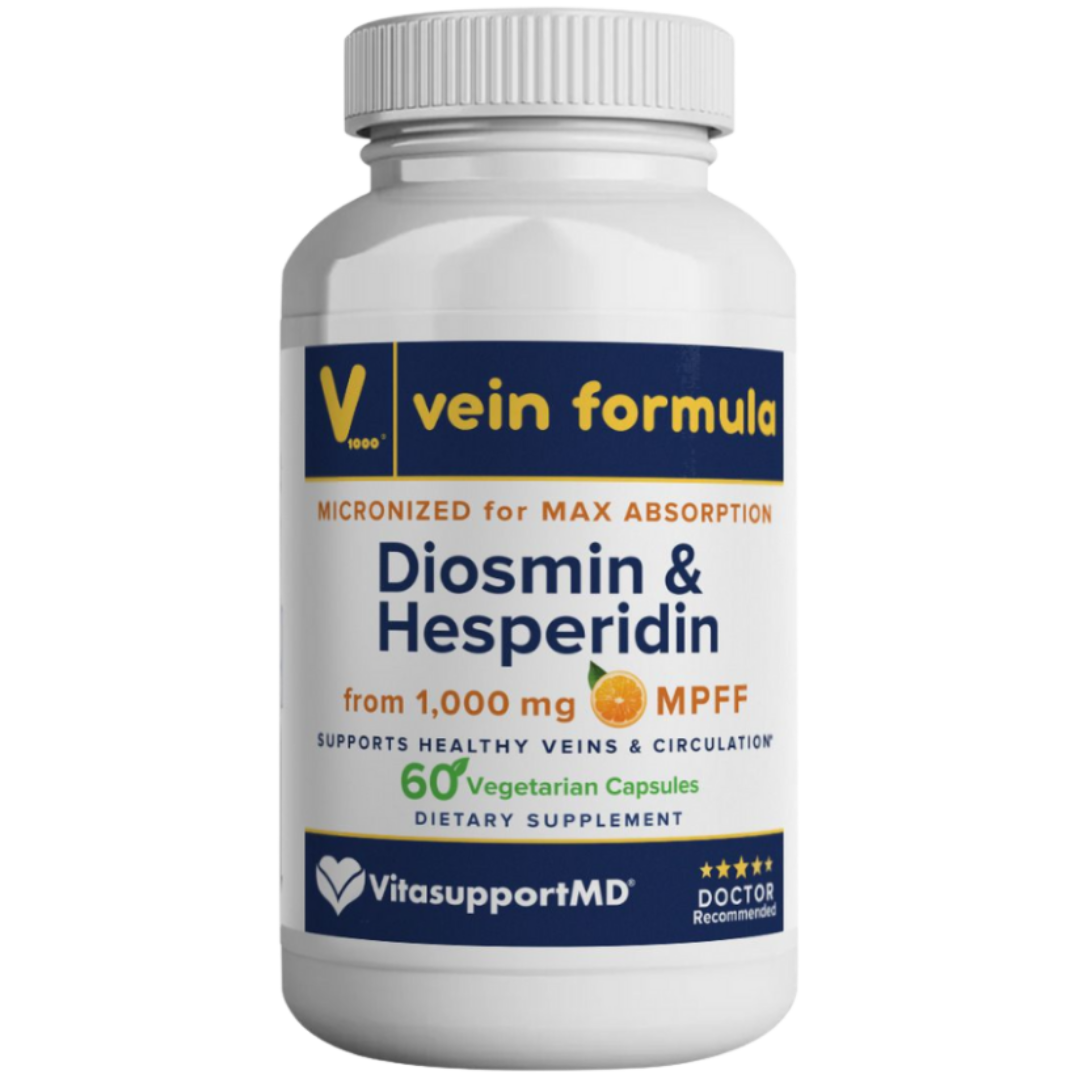
- VitasupportMD's Vein Formula provides 1000 mg of micronized diosmin and hesperidin as part of micronized purified flavonoid fraction (MPFF), citrus-derived bioflavonoids that have been studied for supporting healthy vein function and circulation. Combined with regular movement, it supports the leg veins and the normal flow of blood back to the heart.
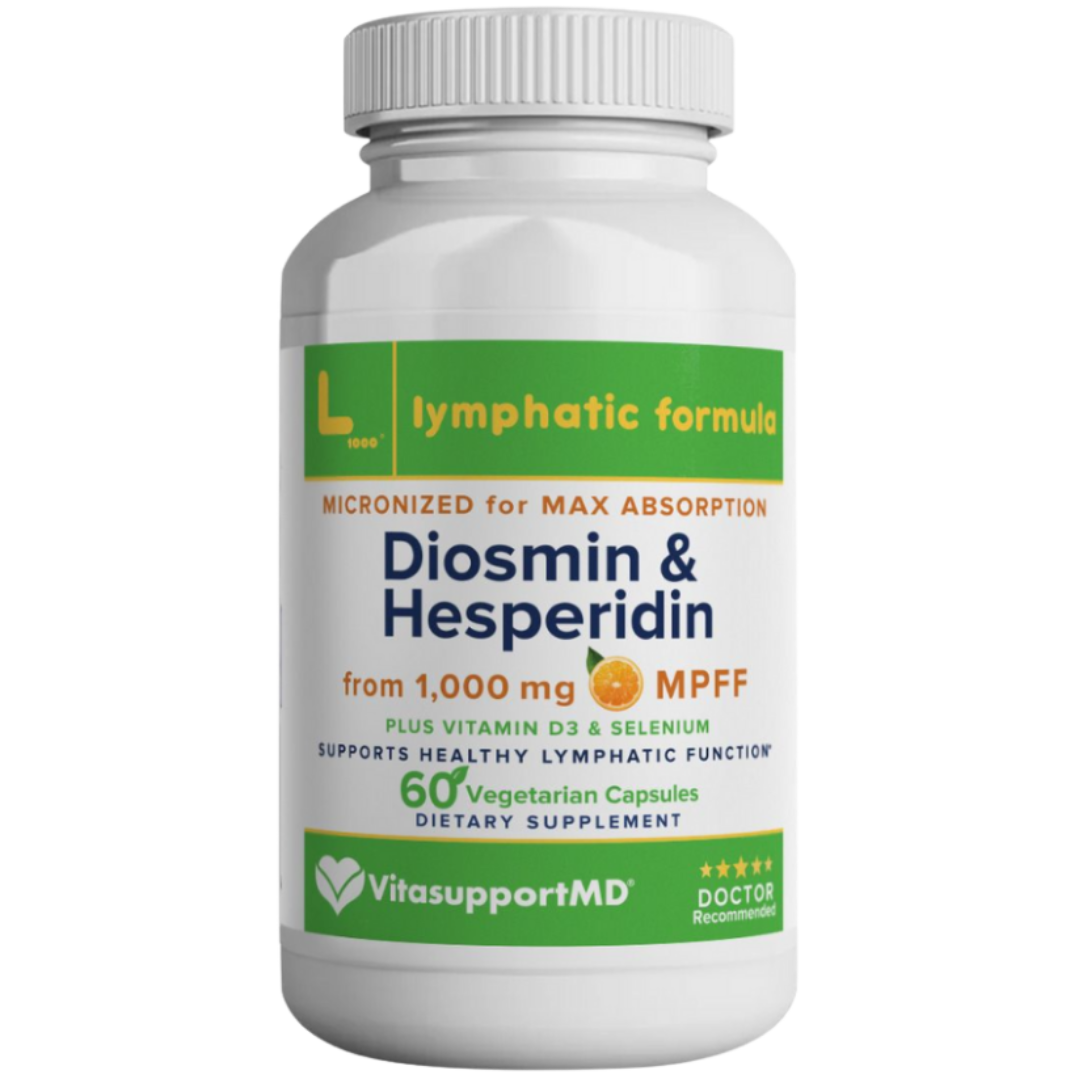
- VitasupportMD's Lymphatic Formula builds on the same MPFF by adding Vitamin D3 and Selenium to support healthy lymphatic function and circulation, which can help your legs feel lighter.
Build a Sustainable Routine
Lasting energy comes from consistency. Start small. This week, drink one extra glass of water a day and take a 10-minute walk after lunch. Next week, add one more habit, such as an earlier bedtime or a short breathing practice. Over time, movement, hydration, good food, sleep and stress management all support your circulation, and energy tends to follow.
If you feel exhausted despite good habits, or the tiredness comes with other symptoms, talk to a doctor. For more ideas, see our list of 10 natural energy boosters.
Related Articles
- How diet impacts your circulatory system
- Sitting all day? How to support your leg circulation
- How to support your lymphatic system
- Best supplements for leg circulation
- Cold weather and circulation
Frequently Asked Questions
What are some nutritious breakfasts for energy? Oatmeal with fruit and nuts, Greek yogurt with berries, and whole-grain toast with avocado and eggs all combine protein, carbohydrates and healthy fats.
How much water should I drink to stay energized? About eight glasses a day is a common guideline, and some people need more. Drinking steadily through the day works better than waiting until you are thirsty.
How does circulation affect my energy? Blood carries oxygen and nutrients to your cells, and cells use them to make energy. When circulation is sluggish, delivery slows, which can leave you feeling tired and unfocused.
How does exercise help my energy levels? Exercise improves blood circulation, releases endorphins that lift mood and activates the calf muscle pump that moves blood back to the heart.
How can I improve my sleep? Keep a consistent schedule, build a relaxing bedtime routine, avoid screens before bed and make sure your bedroom is cool, dark and quiet.
What are healthy snacks for steady energy? Nuts and seeds, fruit, vegetables with hummus, and Greek yogurt with a little granola.
How can I reduce stress and find balance? Use relaxation techniques such as deep breathing, meditation and yoga, make time for activities you enjoy and take breaks when you need them.
Can supplements give me more energy? Supplements aren't a replacement for sleep, food and movement. Ingredients like MPFF are studied for supporting circulation, which is one part of how energized you feel. Check with a healthcare professional before starting any supplement.


