Dr. John Chuback's Health & Wellness Blog

Your Go-To Wellness Guide

Welcome to the offical blog of Dr. John Chuback, board-certified cardiovascular surgeon and founder of VitasupportMD!

Subscribe to our Email Newsletter to not miss out on Dr. Chuback's latest blog posts!

Blog Posts

Top Breakfast Ideas to Naturally Support Healthy Circulation

Top Breakfast Ideas to Naturally Support Healthy Circulation

Dec 24 2025
  A healthy breakfast can set the tone for the day, and choosing the right foods may help support circulation. Here are some breakfast ideas featuring ingredients that could play a role in maintaining healthy blood flow and overall vitality.   1. Oatmeal with Berries and Nuts Why Oatmeal? Oats are a great source of fiber, which can help support circulation. Oats also provide a steady energy release throughout the day. Adding Berries and Nuts Berries: Blueberries, raspberries, and strawberries contain antioxidants that may support circulation. Nuts: Walnuts or almonds provide healthy fats and magnesium, also known to support healthy circulation. 2. Whole Grain Toast with Avocado and Chia Seeds Whole Grains for a Healthy Start Whole wheat or whole grain bread contains fiber, which supports circulation. Why Avocado? Rich in potassium, avocado can help balance fluid levels, which supports healthy blood flow. The Benefits of Chia Seeds Chia seeds provide omega-3 fatty acids that contribute to healthy blood circulation, making them a great topping for your toast. 3. Smoothie with Spinach, Banana, and Almond Butter Spinach for Circulation Spinach is rich in nitrates, which may support healthy blood flow. Bananas for Potassium Bananas add potassium to your smoothie, which plays a role in fluid balance and circulation. Almond Butter’s Contribution Almond butter provides protein and healthy fats, supporting circulation and keeping you full longer. 4. Chia Pudding with Flaxseeds and Fresh Fruit The Power of Chia and Flaxseeds Chia seeds and flaxseeds are rich in omega-3 fatty acids and fiber, nutrients that help support circulation. Fresh Fruit Toppings Adding fruits like berries, kiwi, or citrus brings in antioxidants that may be beneficial for circulation. 5. Greek Yogurt with Honey and Walnuts Greek Yogurt: A Protein-Rich Base Greek yogurt is full of protein, making it a solid choice for breakfast. Walnuts and Omega-3s Walnuts contain omega-3 fatty acids, which are thought to help with circulation. A Touch of Sweetness Honey adds natural sweetness and provides antioxidants, making this combination both delicious and supportive of circulation. 6. Eggs with Spinach and Tomatoes Why Eggs? Eggs are rich in protein, and pairing them with vegetables enhances the nutrient profile. Spinach and Magnesium Spinach provides magnesium, which plays a role in overall blood flow. Tomatoes for Antioxidants Tomatoes are a great source of vitamin C and lycopene, both of which may help with circulation. 7. Mango and Turmeric Smoothie Bowl Mango’s Nutritional Power Mangoes are full of vitamin C and antioxidants, which can help support blood vessels. Turmeric’s Role Turmeric is often used for its potential to support healthy blood flow. A Tasty, Refreshing Option Blend mango and turmeric with coconut or almond milk, and top with seeds or granola for a satisfying breakfast. 8. Citrus Salad with Mint and Almonds Why Citrus? Citrus fruits like oranges and grapefruits are rich in vitamin C, which can support blood vessels and healthy circulation. The Freshness of Mint Mint adds a refreshing taste and complements the citrus fruits while making the dish even more flavorful. Almonds for Healthy Fats Almonds provide healthy fats that balance out the dish and support circulation. These breakfast ideas are easy to prepare and can help start your day with foods to support your healthy circulation. By incorporating a variety of ingredients such as fruits, nuts, seeds, and whole grains, you’ll provide your body with nutrients that could help maintain vitality and well-being throughout the day. FAQ 1. What foods help circulation in the morning? Eating a breakfast that includes foods like oats, berries, nuts, and leafy greens may support healthy circulation, providing essential nutrients that could aid blood flow throughout the day. 2. Can avocado improve blood flow? Avocados are rich in potassium, which may help balance fluid levels, supporting circulation and overall blood flow. 3. Why are berries good for circulation? Berries contain antioxidants, which are believed to support healthy circulation by protecting blood vessels from damage. 4. What is the best breakfast for healthy blood flow? A balanced breakfast with whole grains, healthy fats (like avocado or nuts), and fruits like berries or citrus can provide nutrients that may promote healthy circulation. 5. How can chia seeds support circulation? Chia seeds are high in omega-3 fatty acids, which can contribute healthy blood flow when included in your diet.
Why Compression Socks Deserve a Spot in Your Everyday Wardrobe

Why Compression Socks Deserve a Spot in Your Everyday Wardrobe

Dec 22 2025
Exploring the importance of compression socks for daily support A Simple Addition That Can Make a Big Difference Compression socks aren’t just for athletes or frequent flyers; they’re becoming a smart choice for daily wear. Whether you're spending long hours on your feet or sitting at a desk all day, these specialized socks may offer consistent support where it's needed most. In this article, we’ll explore the importance of compression socks and why they’re worth including in your daily routine. What Are Compression Socks? Compression socks are designed to apply gentle pressure to the legs, ankles, and feet. This snug fit helps encourage steady comfort and blood flow. Available in different lengths, styles, and pressure levels, they are often worn during work, travel, or exercise. Everyday Life May Call for Everyday Support 1. Long Days on Your Feet Spending hours standing can leave legs feeling tired. Compression socks may help provide steady support during long shifts or active days, making them a thoughtful addition for nurses, teachers, and retail workers. 2. Sedentary Work Habits Desk jobs might not seem physically demanding, but sitting for long periods can also lead to leg fatigue. Wearing compression socks during extended time seated may encourage better comfort throughout the day. 3. Travel-Friendly Wear Sitting still for long durations, like on flights or road trips, can affect how energized your legs feel. Compression socks are often recommended for travel, offering gentle support and encouraging blood flow when movement is limited. Style, Comfort, and Function Can Coexist Modern compression socks aren’t just functional, they’re fashionable, too. With improved materials and designs, today’s options can fit seamlessly into your wardrobe. Whether paired with workwear or weekend loungewear, they blend style and support. Final Thoughts: Consider Compression as a Daily Essential The importance of compression socks lies in their subtle but steady presence in your day-to-day life. They may not be flashy, but they quietly support your comfort, especially when routines become demanding. By incorporating compression socks into your wardrobe, you’re making a thoughtful choice toward more balanced daily movement one step at a time. 1. Can I wear compression socks every day, or only for specific situations? Yes, compression socks can be worn daily, especially if you spend a lot of time standing or sitting. 2. Are compression socks helpful if I work at a desk all day? Yes, they may support leg comfort even when you're sitting for long periods at work. 3. Do compression socks make a difference during long travel days? Yes, many people wear them during flights or long drives to help stay comfortable when movement is limited. 4. Are compression socks comfortable enough for all-day wear? Modern designs use soft, breathable materials that are made to be worn comfortably for hours. 5. Do I need a medical reason to wear compression socks? No, many people wear them as part of their daily routine, even without a specific medical need.  
Diosmin and Hesperidin: How These Flavonoids Support Hemorrhoid and Vein Health

Diosmin and Hesperidin: How These Flavonoids Support Hemorrhoid and Vein Health

Dec 05 2025
Diosmin and Hesperidin: How These Flavonoids Support Hemorrhoid and Vein Health 1. The Vein Health Connection: Understanding Hemorrhoids Beyond Discomfort When you think about hemorrhoids, you may picture itching, burning, or that awkward "grape-like" feeling when you sit. What most people don't realize is that hemorrhoids are primarily a circulatory problem, the result of poor blood flow to the veins around the anus and lower rectum. According to the Mayo Clinic, hemorrhoids are “swollen veins in the anus and lower rectum . . .  like varicose veins.” Similarly, the Cleveland Clinic explains that too much pressure on those veins leads to swelling and inflammation. In short, when blood flow gets blocked, veins bulge, and the tissue suffers. In other words, it’s not just about what comes out, but also what’s flowing through.     2. Why Circulation Is Key to Hemorrhoid Relief Think of your anal veins as small, flexible highways. Normally, blood moves in and out smoothly. But when traffic backs up, from constipation, straining, or sitting too long, the pressure rises. That’s when swelling, pain, and bleeding can start. Harvard Health notes that straining or sitting too long “interfere with blood flow to and from the area, causing it to pool and enlarge the vessels.” The result? Distended veins, inflammation, and that all-too-familiar discomfort. While improving fiber intake and staying hydrated are important, supporting healthy circulation is equally vital. Research from the USA Hemorrhoid Centers highlights that better circulation helps reduce swelling and inflammation in hemorrhoidal veins. This is where venoactive compounds like diosmin and hesperidin come into play.     3. Diosmin and Hesperidin: The Bioflavonoids Supporting Venous Health At the heart of hemorrhoid treatment are diosmin and hesperidin, two bioflavonoids known for their ability to strengthen blood vessels and improve circulation. When paired together and micronized, the combination is referred to as Micronized Purified Flavonoid Fraction (MPFF). MPFF isn’t new. It’s been used in Europe for decades (often under the brand Daflon®) and is supported by a strong body of clinical evidence. A 2020 meta-analysis published in Advances in Therapy (2020) reviewed 11 studies and concluded that MPFF can help improve hemorrhoid symptoms, which include bleeding, pain, itching, and discharge. Researchers found that the diosmin- and hesperidin-based compound reduces venous inflammation, improves venous tone and lymphatic drainage, and enhances microcirculation. In other words, diosmin and hesperidin, especially when combined and micronized, help your veins do their job efficiently, comfortably, and with less inflammation.     4. How Diosmin and Hesperidin Work to Support Vein and Hemorrhoid Health Let’s break it down: Improve venous tone: They strengthen vein walls so they’re less likely to stretch or bulge under pressure. Enhance lymphatic drainage: They help move fluid away from swollen tissues, easing pressure. Reduce inflammation: They block certain inflammatory signals and reduce oxidative stress, which helps your body calm down the irritation. Protect microcirculation: They reduce tiny capillary leaks and fragility, keeping the local tissue healthier. A 2021 review summarizing 17 clinical studies reinforced these benefits, noting that MPFF’s “anti-inflammatory, antioxidant, and venoprotective actions” make it appropriate and effective across all grades of hemorrhoidal disease, from mild irritation to more advanced cases.     5. Diosmin + Hesperidin + Aescin: The Powerful Combo for Hemorrhoidal Support While diosmin and hesperidin (especially when paired and micronized to form MPFF) do a lot on their own, combining them with other venoactive compounds can create even greater benefits. One standout is aescin, a compound in horse chestnut seed that supports venous tone and capillary strength. A recent randomized controlled trial published in the Asian Journal of Surgery (2025) found that MPFF and aescin, when taken together, were highly effective in reducing hemorrhoid symptoms, improving overall vein function, and accelerating recovery. That’s the same combination featured in VitasupportMD’s H Formula, a dietary supplement designed to support hemorrhoidal vein health. H Formula’s MPFF and horse chestnut seed blend reflects the same evidence-based approach that’s been validated in clinical research.     6. Clinical Evidence: What the Research Says About the Diosmin- and Hesperidin-Based MPFF Here’s a quick look at what decades of research on the diosmin- and hesperidin-based MPFF reveal: 11 studies analyzed (Meta-Analysis, 2020): Showed significant reductions in pain, bleeding, and swelling compared to placebo. 17 studies reviewed (Clinical Evidence Review, 2021): Found MPFF effective for both acute and chronic hemorrhoidal disease, with a favorable safety profile. Randomized Controlled Trial (2025): MPFF plus aescin improved venous health and symptom relief in hemorrhoid patients. Collectively, these studies confirm that diosmin and hesperidin, particularly as part of MPFF, works on the root cause of hemorrhoids, poor venous circulation, rather than just masking symptoms.     7. Gut and Vein Health: How They Work Together for Better Hemorrhoid Relief It’s easy to see gut and circulation as separate systems, but they’re deeply connected. When digestion slows down, stool gets harder, straining increases, and hemorrhoidal veins take the hit. Over time, poor circulation can feed back into slower healing and chronic discomfort. That’s why the most effective hemorrhoid care addresses both sides: The gut: Keeping stool soft and regular with fiber, hydration, and stool-softening prescriptions when needed. The veins: Supporting microcirculation and reducing inflammation with compounds like MPFF and aescin. When your gut and veins work together, recovery happens faster, and flare-ups become less frequent.     8. Are Diosmin and Hesperidin Safe for Long-Term Use? Generally, yes. Diosmin, hesperidin, and MPFF have been studied in thousands of patients and are considered safe and well-tolerated. Side effects are rare, but when they occur, they are usually mild, such as nausea or stomach upset. However, always talk with your doctor before starting any supplement or combining it with prescription therapies, especially if you’re pregnant, breastfeeding, or on other medications.     9. A Comprehensive Hemorrhoid Care Plan: The Role of Diosmin, Hesperidin, and H Formula Think of diosmin and hesperidin as one part of a holistic strategy, not a standalone miracle cure. For lasting relief, consider the following items: Targeted topical relief: Like Bummed’s Hemorrhoid and Fissure Rx Creams for fast-acting, long-lasting pain control and healing. If you’re not sure what you need - Take the Bummed symptoms quiz to get matched to a safe and effective treatment for you. Lifestyle support: Regular movement, a high-fiber diet, and limiting toilet time to under five minutes. Circulation care: Incorporating diosmin- and hesperidin-based supplements like VitasupportMD’s H Formula for hemorrhoidal vein support. Together, these create a 360-degree approach that targets the root cause and the symptoms, helping you heal from the inside out.     10. Conclusion: Supporting Your Veins for Healthier Hemorrhoids Hemorrhoids are more than a nuisance. They’re a sign your circulation could use some love. By improving blood flow, strengthening veins, and calming inflammation, diosmin and hesperidin tackle one of the most overlooked parts of hemorrhoid health: your vascular system. So whether you’re dealing with a flare-up or just trying to keep your backside happy, consider supporting both your gut and your veins. A combination of medical treatment, lifestyle changes, and evidence-based supplements can help you get there. Because when your veins feel good… your butt does too. 🍑   Disclaimers: VitasupportMD content is for general education and should never replace professional medical advice that considers your individual health. If you think you’re experiencing a medical emergency, call 911 or head to the nearest emergency department. VItasupportMD offers dietary supplements that support healthy hemorrhoidal veins and circulation. VitasupportMD does not offer prescription drug products.   Prescription drug products require a consultation with a physician who will determine if a prescription is appropriate.
Gentle Exercises To Help You Feel Energized and Refreshed

Gentle Exercises To Help You Feel Energized and Refreshed

Nov 25 2025
Some days, all you need is a little movement to spark a sense of clarity and feel energized! Whether you're working all day from your desk or feeling a bit sluggish in general, adding in gentle daily exercises can help promote better circulation and leave you feeling more alert and refreshed. Below are some approachable exercises to increase blood flow without putting too much strain on your joints, or your schedule! Seated Movements for Circulation Boost You don’t have to stand up to get moving! If you’re at work or relaxing at home, seated movements can still help stimulate blood flow throughout the body. Ankle Circles Sit in a chair and lift one foot slightly off the ground. Slowly rotate your ankle in a circular motion, completing 10–15 rotations in each direction before switching feet. This small motion may encourage circulation in your lower legs and feet, which is especially helpful after sitting for long periods. Seated Marching While seated upright, lift one knee at a time toward your chest in a slow, controlled motion. Alternate legs for about 30–60 seconds. This can help activate your leg muscles and get things moving again when you’ve been sedentary. Standing Movements That Gently Wake You Up For times when you can stand and move freely, these low-impact exercises can help encourage circulation and create a subtle lift in energy. Toe Raises Stand tall and slowly lift your heels off the ground, balancing on your toes for a few seconds. Lower back down with control. Hold on to the back of a chair to help balance yourself! Repeat this motion 10–15 times. This movement activates your calves and may support better blood flow through your lower legs. Arm Swings Stand with feet hip-width apart and let your arms swing forward and back naturally. Keep your shoulders relaxed. This rhythmic motion may stimulate movement through your upper body and promote a refreshed feeling. Flow-Based Movements to Reconnect and Recenter Gentle, flowing sequences can do more than stretch your muscles; they can also help shift your mindset! Cat-Cow Stretch Begin on your hands and knees. As you inhale, arch your back and lift your head slightly (cow pose). As you exhale, round your spine and tuck your chin (cat pose). Move through this sequence slowly for 1–2 minutes. This gentle motion supports flexibility and can help reduce the sense of stiffness in the spine. Standing Forward Fold From a standing position, bend forward at the hips, letting your head and arms hang heavy. Slightly bend your knees if needed. Stay here for several deep breaths. This position can calming while also subtly encouraging blood flow toward your upper body. Gentle Routines to Add Into Your Day You don’t need a full workout to feel refreshed. A few mindful movements can go a long way, especially when repeated consistently. Morning Movement Routine Start your day with 5–10 minutes of light movement. A simple combination of toe raises, gentle stretches, and arm swings can help ease your body into a more active state. Midday Reset If you feel sluggish in the afternoon, try incorporating a short movement break with a seated marching or standing forward fold. These simple moves may give you a gentle energy reset without needing caffeine or a full workout. FAQ 1. What are some easy exercises to increase blood flow when I'm sitting for long periods? You can try ankle circles or seated marching. Both exercises are simple to do while sitting and can help keep your blood flowing. 2. How can I boost my energy without doing intense exercise? Gentle movements like arm swings or toe raises can help improve circulation and give you a natural energy lift without intense effort. 3. How long should I do these exercises for them to be effective? Even a few minutes of movement can make a difference. Try to do these exercises for 5–10 minutes a couple of times a day for steady results. 4. Can I do these exercises at work? Yes, these exercises are easy to do at your desk or in small spaces, making them perfect for a quick circulation boost during the workday. 5. Are these exercises suitable for everyone? Yes, these exercises are gentle and low-impact, making them suitable for most people, especially if you're looking for a simple way to keep moving throughout the day.  
Simple Lifestyle Practices That Support Your Body’s Natural Flow

Simple Lifestyle Practices That Support Your Body’s Natural Flow

Nov 14 2025
The lymphatic system plays a quiet but essential role in your overall wellness. Often described as part of the body’s “natural flow,” this network of vessels and nodes helps maintain balance by supporting fluid movement and waste filtering.  While your lymphatic system operates in the background, certain lifestyle habits may encourage its natural rhythm and function. Let’s explore how daily choices, such as movement, hydration, and nutrition can offer gentle support for your lymphatic system. Why Supporting the Lymphatic System Matters The lymphatic system is part of your body’s internal maintenance team. It works alongside other systems to help manage fluid levels and encourage natural circulation. When you make choices that support the body’s natural flow, you’re creating an environment where the lymphatic system may function at its best. Move With Intention: Physical Activity and the Lymphatic System Gentle Movement, Consistent Flow Unlike the circulatory system, the lymphatic system doesn’t have a central pump. Instead, it relies on muscle movement and body motion to assist with fluid circulation. This is why regular, low-impact movement may offer support. Walking: Just 20 - 30 minutes of walking daily may contribute to your body’s natural flow. Stretching and mobility work: Focused movement like yoga, tai chi, or even short stretch sessions may assist with lymphatic rhythm. Deep Breathing with Movement Incorporating breathwork into your daily movement may enhance the benefits of your movement. Deep belly breathing can act as a kind of internal massage, encouraging gentle support for lymph flow. Hydration: The Unsung Ally Why Water Matters Staying hydrated is often overlooked when thinking about lymphatic system support, but it plays a central role. The lymphatic system relies on fluid to do its work, and water intake may help maintain that balance. Start your day with a glass of water. Spread your hydration throughout the day, rather than drinking large amounts all at once. Herbal teas and water-rich fruits and vegetables can complement your intake. Nutrition That Aligns with Your Body’s Natural Rhythm Whole Foods as Everyday Support Focusing on whole, minimally processed foods may encourage the body’s natural systems. While there’s no singular “lymph-supporting” food, certain nutrients are often included in wellness routines designed around this goal. Leafy greens, like spinach or arugula Citrus fruits, such as oranges or grapefruit Seeds and nuts, which offer healthy fats and trace elements Herbs, like parsley and ginger Balance Over Restriction Rather than eliminating entire food groups, look at your overall plate: color, texture, and variety can help guide your choices. Eating in alignment with your body’s needs, not trends, may support internal systems. Skin Care Practices: External Habits That May Support Internal Flow Dry Brushing and Light Massage Dry brushing is a practice involving a soft-bristle brush stroked gently on the skin. When done with care and consistency, it may help stimulate the surface layers where lymph vessels are close to the skin. Use long strokes, always brushing toward the heart. Best done before a shower, 2 - 3 times per week. Similarly, light massage, especially in areas where lymph nodes are present (like the neck or underarms), may offer a calming, supportive effect. Alternating Temperatures in the Shower Some wellness routines focused on lymphatic function include contrast showers (alternating warm and cool water) as a way to energize circulation. Though research is still evolving, many find this routine invigorating and use it as part of their overall body support plan. Create Space for Stillness: Mindfulness and Rest Rest as a Form of Restoration Sleep and rest are essential, not optional. While you sleep, your body focuses on regulation and recovery, and this includes the natural flow of internal systems. Prioritize consistent sleep times. Limit screen exposure in the evening to support natural rhythms. Mindful Practices to Support Balance Mindfulness, meditation, or even simple pauses in your day may support a sense of balance. A calm nervous system allows the body to shift into a state where natural processes, including the flow of lymph, may operate more efficiently. Bringing It All Together Supporting your lymphatic system doesn’t require major life changes. Instead, it’s about tuning in, moving more often, staying hydrated, eating with care, and allowing space for rest. These simple practices, done consistently, may offer gentle support for your body’s natural flow. Q1: How can I naturally support my lymphatic system every day?A: Daily movement, steady hydration, and a balanced whole-food diet may gently support your body’s natural lymphatic flow. Q2: Does drinking more water help the lymphatic system?A: Yes, staying consistently hydrated may help the lymphatic system maintain fluid balance and flow more easily. Q3: Is walking enough to support lymphatic circulation?A: Regular walking can help stimulate lymph movement, especially since the system relies on body motion rather than a central pump. Q4: Are there any foods that support lymphatic health?A: Leafy greens, citrus fruits, and herbs like parsley are often included in wellness routines that support natural body rhythms. Q5: Can I support my lymphatic system without major lifestyle changes?A: Yes, small consistent habits like stretching, drinking water, and mindful rest can make a meaningful difference over time.
Everyday Lifestyle Tips for a Strong and Resilient You

Everyday Lifestyle Tips for a Strong and Resilient You

Nov 10 2025
In a world where life moves quickly, it’s easy to feel overwhelmed and disconnected from our own bodies. However, taking the time to focus on nurturing our physical, mental, and emotional well-being can foster a sense of strength and resilience. By integrating small lifestyle habits into your daily routine, you can naturally support your body’s functions and stay balanced through life’s challenges. Let’s explore some practical tips that may help you build a more resilient and energized life. Fuel Your Body with Balanced Nutrition One of the fundamental pillars of overall well-being is the food we eat. Our body requires a variety of nutrients to maintain its natural functions and support resilience. What to Include in Your Diet Incorporating a wide range of whole, nutrient-dense foods can have a profound impact on your body’s natural vitality. Fresh fruits and vegetables are rich in antioxidants and vitamins, helping your body stay nourished. Whole grains like oats, quinoa, and brown rice provide long-lasting energy, while lean proteins such as chicken, fish, or plant-based alternatives help in muscle repair and support metabolic health. The more colorful your plate, the more likely it is that you’re receiving a diverse range of nutrients that contribute to your body’s natural balance. The Importance of Variety A diet that lacks variety can limit the intake of essential vitamins and minerals. A diverse range of foods not only makes meals more exciting but also provides a broader spectrum of nutrients, ensuring that your body receives everything it needs for energy and resilience. Consider adding a variety of colors to your plate, as different colored fruits and vegetables often contain different types of nutrients. A colorful plate can signal that you’re feeding your body with the nutrients it craves to stay strong. Stay Active and Move Your Body Movement is crucial for physical and mental health. Exercise is not just about weight loss or building muscle; it’s about creating balance in your body and mind. Simple Ways to Incorporate Movement You don’t have to spend hours at the gym to stay active. Incorporating small bouts of movement throughout the day can keep you energized. Whether it’s a brisk walk after meals, a short yoga session in the morning, or dancing to your favorite music, these activities can provide an instant mood boost. The key is to find what you enjoy and make it a regular part of your routine. How Activity Supports Resilience Engaging in physical activity encourages blood flow and circulation, helping your body’s systems to function more efficiently. Regular movement may also support mental resilience by releasing endorphins, your body’s natural mood elevators. These feel-good hormones can reduce stress and boost your mood, helping you to approach challenges with a more positive outlook. Exercise is also a great way to combat fatigue and maintain your energy throughout the day. Prioritize Rest and Sleep Sleep is often overlooked in favor of busy schedules, but getting adequate rest is essential for both physical and mental well-being. The Role of Sleep in Resilience When you sleep, your body gets a chance to recharge and repair itself. Restful sleep helps regulate various internal processes, allowing your body to stay in balance and maintain energy levels. Without enough sleep, it becomes difficult to stay focused, and your body’s ability to handle stress may be compromised. Ensuring you get a good night’s sleep consistently is vital for sustaining resilience. Tips for Better Sleep Quality A consistent bedtime routine can significantly improve the quality of your sleep. Try to go to bed and wake up at the same time every day to help regulate your body’s internal clock. Avoiding screens, such as phones and computers, at least 30 minutes before bed can help your body wind down naturally. Creating a relaxing sleep environment, such as keeping your room dark and quiet, can also promote deeper, more restorative sleep. Stay Hydrated Hydration is one of the simplest yet most effective ways to support your body’s functions. While drinking water is the most obvious way to stay hydrated, other options contribute to your fluid intake. Why Hydration Matters Water is essential for numerous bodily functions, from digestion to maintaining energy levels. Being well-hydrated can also support cognitive function, making it easier to stay focused and alert. Even mild dehydration can lead to feelings of sluggishness, so staying hydrated is key to maintaining your resilience throughout the day. How to Stay Hydrated Throughout the Day Incorporate water-rich foods into your diet, such as cucumbers, watermelon, and oranges, to help you stay hydrated. Sipping water throughout the day rather than waiting until you're thirsty can help you maintain hydration levels. Herbal teas or naturally flavored waters can also be a great option for variety. Incorporate Mindfulness Practices Mindfulness practices, such as meditation or deep breathing, help you connect with the present moment and reduce stress. Taking a moment to ground yourself can improve your resilience to life’s challenges. The Benefits of Mindfulness Practicing mindfulness helps to cultivate a sense of inner peace and balance, even during stressful moments. Techniques like deep breathing or progressive muscle relaxation may help to activate your body’s relaxation response, reducing stress and promoting a calm state of mind. Regular mindfulness practice may also improve your emotional resilience by helping you process emotions in a healthy way. Simple Mindfulness Techniques Start by dedicating just five minutes a day to mindfulness. Try a simple deep-breathing exercise: inhale deeply for four counts, hold for four counts, and then exhale for four counts. Practicing this for just a few minutes can help center your mind and promote relaxation. As you grow more comfortable, you can explore other mindfulness techniques such as guided meditation or mindfulness walks in nature. Foster Social Connections Humans are inherently social beings, and cultivating meaningful relationships can support both emotional and mental well-being. The Importance of Human Interaction Social connections are a powerful source of support during challenging times. Having a network of friends, family, or a community can provide you with comfort and encouragement when needed. Socializing also stimulates the release of oxytocin, which promotes feelings of happiness and contentment. Nurturing Your Connections Invest time in your relationships by staying connected with loved ones, whether through phone calls, video chats, or in-person meetings. Being part of a supportive community, whether it’s through social groups, religious organizations, or volunteer work, can help foster a sense of belonging and strengthen your emotional resilience. Practice Gratitude and Positive Thinking A positive mindset can go a long way in fostering resilience. When we focus on the good in our lives, we naturally shift our attention away from negativity, creating space for a more optimistic perspective. Shifting Your Mindset Start by taking a few moments each day to reflect on what you're grateful for. This practice can reframe your mindset and help you see challenges as opportunities for growth. Shifting to a positive mindset doesn’t mean ignoring difficulties, but rather focusing on how you can navigate them with a sense of gratitude for what you do have. Simple Gratitude Practices You don’t need to make gratitude a big task. Start small by writing down three things you’re thankful for each day. Over time, this simple act can lead to greater emotional resilience and a more positive outlook on life. Limit Processed Foods and Sugary Snacks While indulging in comfort foods is okay in moderation, regularly consuming processed foods and sugary snacks can lead to energy crashes and negatively impact your health. Why Moderation Matters Processed foods and sugary snacks may disrupt your body's natural balance, leading to fluctuations in energy levels. Consuming these in excess can place unnecessary stress on your body’s systems, potentially leading to imbalances. Moderation is key. Enjoy these foods occasionally, but focus on whole, natural options most of the time. Healthy Alternatives Opt for healthy snacks like nuts, seeds, or fresh fruit to satisfy your cravings while nourishing your body. Whole grains and legumes are great alternatives to processed foods, providing lasting energy without the added sugar. Embrace Nature and Sunlight Spending time outdoors, especially in natural light, can have a positive impact on your overall health. How Nature Supports Your Well-Being Nature offers a sense of calm and tranquility, helping to reduce stress and reset your mind. Fresh air and exposure to sunlight may also help regulate your body’s circadian rhythm, leading to improved sleep and better mood. Simple Ways to Get Outside Make it a habit to spend time outdoors every day. Whether it’s a short walk in the park, gardening, or simply sitting in the sun for a few minutes, these moments in nature can help replenish your energy. Cultivate Consistency in Your Routine Consistency is the cornerstone of lasting resilience. Small, positive actions performed daily can add up over time, creating a foundation of strength and balance. Building Strong Habits Focus on building small habits that support your well-being. Regularly eating a balanced diet, staying active, and prioritizing sleep will help your body function at its best. Over time, these habits will feel more natural and become ingrained in your daily life. Small Changes, Big Impact Even the smallest changes in your routine can lead to significant improvements. For example, adding an extra glass of water to your day or taking a 10-minute walk can have a positive impact when done consistently.   FAQs 1. How can I naturally support my immune system through nutrition? Eating a variety of whole foods, including fruits, vegetables, whole grains, and lean proteins, may help provide your body with essential nutrients that support its natural functions. 2. Is regular exercise important for resilience? Yes, regular physical activity, even light exercises like walking or yoga, may help support healthy circulation and improve both your physical and mental resilience. 3. How much sleep should I aim for to feel resilient? It’s recommended to aim for 7-9 hours of restful sleep each night. A consistent sleep schedule helps your body recharge and maintain energy levels, fostering resilience. 4. Can hydration impact my overall well-being? Yes, staying hydrated is crucial for maintaining energy levels and supporting your body’s natural processes. Drinking enough water throughout the day can help keep you energized. 5. What role do social connections play in resilience? Meaningful social connections provide emotional support, which can reduce stress and help you feel more grounded, thus contributing to greater overall resilience.
oranges with Diosmin

Diosmin Supplements: What They Are, Their Origins, and How They Work

Oct 08 2025
  Diosmin supplements have gained attention in recent years for their potential to support overall well-being. But what exactly is diosmin, and where does it come from? This guide will explore the key facts about diosmin, its natural sources, and the process behind creating diosmin supplements. What is Diosmin? Diosmin is a flavonoid found primarily in citrus fruits, particularly in the peels of oranges and lemons. Flavonoids, including diosmin, are compounds that plants produce for various functions, and they are often known for their antioxidant properties. Diosmin is used in dietary supplements for its natural origins and potential to support various aspects of health. Where Does Diosmin Come From? Diosmin is naturally derived from citrus fruits. The peel of these fruits contains concentrated amounts of diosmin, which is extracted through a careful process to ensure its purity and potency. While the compound is most commonly associated with oranges and lemons, other citrus fruits can also be sources of diosmin. The Process of Making Diosmin Supplements The production of diosmin supplements starts with extracting diosmin from the peel of citrus fruits. This is followed by purification to ensure that only the active compound remains. Once purified, diosmin is processed into various supplement forms, such as tablets, capsules, and powders, making it accessible to consumers in a variety of formats. Why People Choose Diosmin Supplements People often consider diosmin supplements as part of their wellness routines. While individual results may vary, diosmin is believed to support circulation and overall vascular health. Its antioxidant properties are also of interest to many individuals looking to incorporate more plant-based compounds into their diet. Popular Forms of Diosmin Supplements Diosmin is available in several forms to suit different preferences. Some of the most common forms include: Tablets and Capsules: Convenient and easy to take as part of a daily supplement routine. Powders: For those who prefer a customizable dosage or to mix into beverages. Blends: Diosmin may be included in multi-ingredient formulations for additional health support. How to Choose the Right Diosmin Supplement When selecting a diosmin supplement, it’s important to consider factors like dosage, ingredient quality, and whether the supplement is combined with other compounds. Additionally, consulting with a healthcare provider before beginning any supplement routine is recommended to ensure it aligns with personal health needs. Potential Considerations While diosmin supplements are generally regarded as safe when taken as directed, it is always advisable to consult with a healthcare provider before introducing any new supplement into your routine. Individual experiences can vary, and professional guidance can help ensure proper use. Conclusion Diosmin supplements have become a popular option for those looking to explore the potential of this natural compound. Whether derived from citrus fruits or included in a carefully crafted supplement, diosmin offers a variety of options for those seeking to incorporate it into their lifestyle. Always do your research, and don’t forget to consult with a healthcare professional before making any changes to your supplement routine. Frequently Asked Questions (FAQs) What are the potential uses of diosmin supplements? Diosmin supplements are commonly taken to support circulation and vascular health, although individual results can vary. It is also valued for its antioxidant properties. Are diosmin supplements safe to use? Diosmin supplements are generally considered safe when taken as directed. However, it's always best to consult with a healthcare provider before starting any new supplement. In what forms are diosmin supplements available? Diosmin supplements are commonly available in the form of tablets, capsules, and powders. There are also blended products that include diosmin as one of the active ingredients. How should I choose a diosmin supplement?When choosing a diosmin supplement, consider the form that best fits your preferences and check for quality ingredients. It's also important to follow dosage instructions and seek advice from a healthcare professional if necessary.
5 Simple Leg Stretches for All-Day Comfort and Mobility

5 Simple Leg Stretches for All-Day Comfort and Mobility

Sep 26 2025
Maintaining daily movement and flexibility can be an important part of supporting your overall leg wellness. Whether you're sitting at a desk or on your feet all day, gentle stretching may encourage circulation and help you stay active. In this post, we’re highlighting five easy leg stretching exercises that you can do anywhere—no equipment needed. 🧍♀️ Before starting any new movement routine, it’s always a good idea to check in with a healthcare provider to ensure it aligns with your individual needs. Why Incorporate Leg Stretching Exercises Into Your Daily Routine? Leg stretching exercises can play a role in supporting natural movement and everyday comfort. These stretches may support mobility and encourage gentle daily movement for individuals who are looking to stay mobile or simply take a moment to reset during the day. If you're already taking steps to support your healthy leg veins, such as staying hydrated, moving throughout the day, or incorporating supportive supplements like our Vein Formula, adding a few simple stretches might be another mindful habit to consider. 1. Standing Calf Stretch How to do it: Place both hands against a wall. Step one leg back, keeping it straight with the heel on the floor. Lean forward slightly on the front leg while keeping the back leg extended. Hold for 15–30 seconds and switch legs. Tip: This stretch may help increase awareness of your calf muscles and encourage a healthy range of motion. 2. Seated Hamstring Reach How to do it: Sit on the floor with one leg extended and the other bent inward. Reach forward gently toward your toes while keeping your back straight. Hold and repeat on the other side. Great for: A mid-day break while working from home or sitting for extended periods. 3. Quad Stretch How to do it: Stand upright and use a chair or wall for support. Grab your right ankle with your right hand and gently pull it toward your glutes. Hold, then switch sides. Supportive tip: Gentle quad stretches may help you reconnect with your thigh muscles after long periods of walking or standing. 4. Figure Four Stretch How to do it: Lie on your back and cross your right ankle over your left knee. Thread your hands through to hold the back of your left thigh and pull it slightly toward your chest. Hold and switch sides. Why try it: This stretch may gently support ease of movement around the hips and lower body. 5. Forward Fold How to do it: Stand tall, then slowly bend at the waist and reach toward the floor. Keep a slight bend in your knees if needed. Let your upper body hang for a few deep breaths. When to do it: A calming way to wrap up your stretching session and refocus. Support Your Healthy Leg Veins from the Inside Out While movement is an essential part of your wellness routine, you may also be looking for other ways to support your healthy leg veins. Our Vein Formula is designed with micronized purified flavonoid fraction (MPFF) and is trusted by professionals across 250+ offices nationwide. Pairing mindful movement like leg stretching with your daily routine may be a thoughtful way to support your leg wellness goals. Ready to Move Mindfully? Incorporating just a few minutes of gentle leg stretching exercises each day may help you stay connected to your body and support ongoing mobility. Whether you're new to stretching or already have a routine, these simple moves offer a low-barrier way to stay active—anywhere, anytime. For more tips on supporting your overall wellness, explore our Healthy Habits Blog or browse our full lineup of supportive formulas on the VitasupportMD Shop.
A Closer Look at Hesperidin Supplements and Their Origins

A Closer Look at Hesperidin Supplements and Their Origins

Sep 19 2025
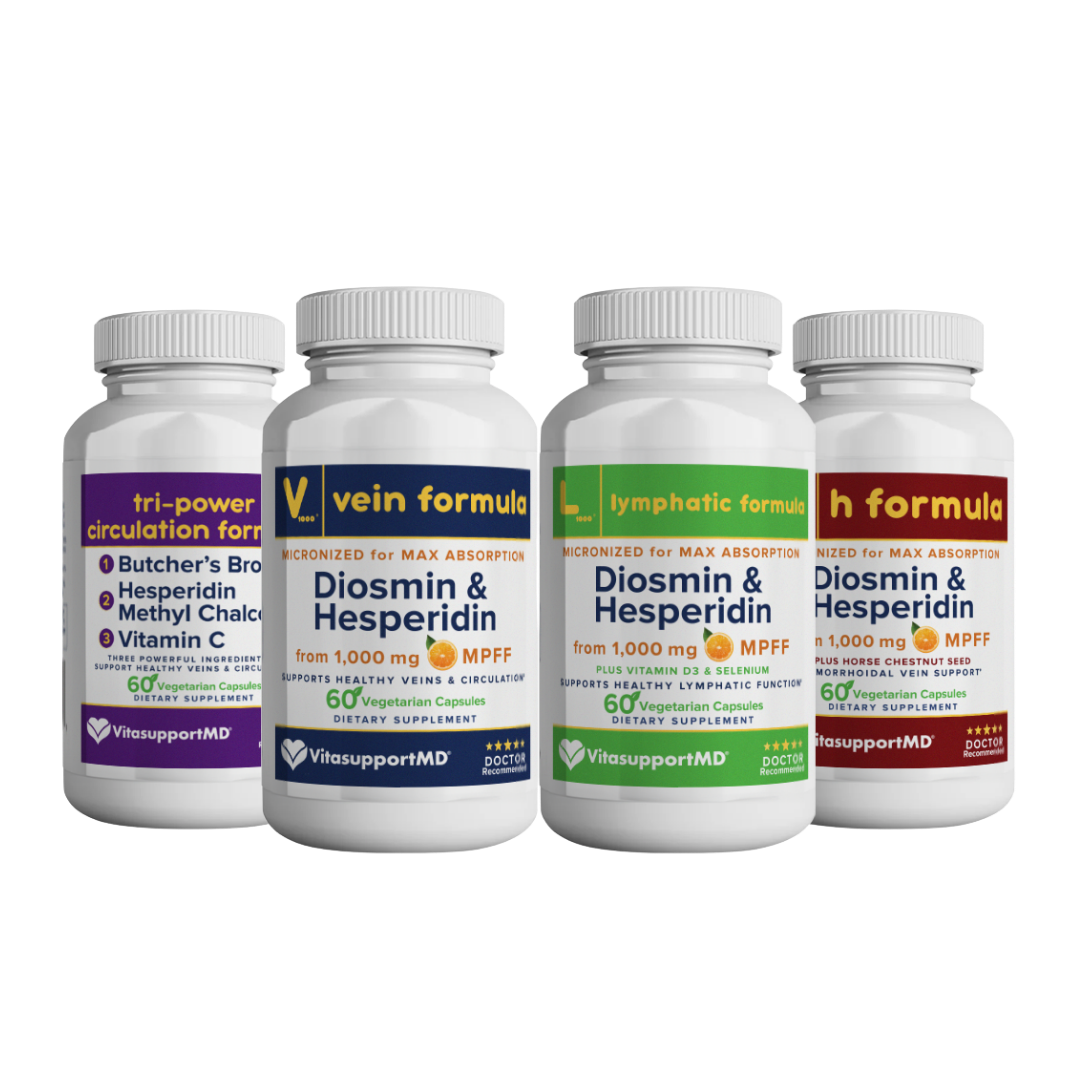
From Citrus to Capsule: The Story of Hesperidin When people hear the term hesperidin supplement, they may be surprised to learn it starts with something as simple as citrus fruit. Hesperidin is a flavonoid naturally concentrated in the peels of oranges, lemons, and other citrus varieties. For centuries, plant-based compounds like these have been a part of wellness traditions, and today they’ve been carefully refined into modern supplement form. The Role of Diosmin and MPFF Hesperidin is often paired with another citrus-derived compound, diosmin. Together, they create what’s known as a micronized purified flavonoid fraction (MPFF). Micronization—the process of reducing particle size—helps create a refined form designed for easy use in supplements. This advancement has made the MPFF profile a key feature of many hesperidin supplements.. How VitasupportMD Uses Hesperidin Doctor-formulated blends like the Vein Formula feature a precise blend of diosmin and hesperidin in a clean MPFF profile. Produced in an FDA-registered, NSF-certified, and cGMP-compliant facility, the formula reflects a strong commitment to quality. Other thoughtful combinations include the Lymphatic Formula, which builds on MPFF with added Vitamin D3 and Selenium, and the H Formula, which incorporates horse chestnut seed extract. For households looking for convenience, bundle options bring these formulas together in one plan. Why People Choose a Hesperidin Supplement While results may vary, hesperidin supplements are often chosen by individuals who want to support their daily wellness routines, including circulatory and vein health. Because these products are designed for consistent use, they fit naturally into long-term wellness strategies. Learning More About Hesperidin and MPFF For readers curious about the science of micronization, VitasupportMD explains the process in detail in their blog on MPFF’s advantages. To understand more about hesperidin’s natural sources, their article on the importance of diosmin and hesperidin is an excellent place to start. Final Thoughts From its beginnings in citrus peels to its refined role in MPFF blends, the hesperidin supplement has become a thoughtful option for individuals looking to incorporate citrus-derived flavonoids into their daily wellness routine. With doctor-formulated products like Vein, Lymphatic, and H Formula, VitasupportMD offers clean, high-quality options for incorporating hesperidin into a wellness routine.
An Introduction to Circulation Supplements: What to Know

An Introduction to Circulation Supplements: What to Know

Sep 16 2025
An Introduction to Circulation Supplements Key Highlights Circulation plays a key role in delivering oxygen and nutrients throughout the body. Occasional signs of reduced circulation comfort may include cold hands and feet, tingling, or muscle fatigue. Certain vitamins, minerals, and herbal supplements are commonly chosen to support healthy circulation. Natural options like garlic, turmeric, and omega-3 fatty acids are traditionally used for circulatory support. Lifestyle factors such as balanced nutrition and activity remain an important foundation. Always consult a healthcare provider before beginning any new supplement routine.   Understanding Circulation and the Role of Supplements Circulation is the movement of blood through the body, carrying oxygen and nutrients to tissues while also helping with the removal of byproducts. Maintaining circulation comfort can contribute to overall well-being and energy. Supplements are often selected as part of a wellness routine to support vascular balance. They may be associated with processes like vessel relaxation, antioxidant activity, or general circulatory comfort.   How Supplements Are Connected to Circulation Some supplements are linked to the body’s natural production of nitric oxide, a compound that helps blood vessels stay relaxed and open. Others are chosen for their traditional roles in supporting comfort in the extremities. While experiences vary, many people include these supplements in their daily routines as part of a broader approach to wellness.   Key Vitamins for Circulation Support Vitamin E Vitamin E is often highlighted for its role in wellness routines that support circulation comfort. It is naturally found in foods such as nuts, seeds, and fish, and supplements provide another option. B Vitamins Vitamins B6, B9 (folate), and B12 are essential nutrients that help the body process amino acids and maintain balance in the bloodstream. These vitamins are often included in circulation-focused formulas for their role in supporting vascular wellness. Vitamin Role in Circulation Wellness B6 Works with B9 and B12 in processing amino acids B9 Supports balanced homocysteine levels B12 Plays a role in converting homocysteine   Natural Supplements Traditionally Used Garlic, Turmeric, and Beetroot Garlic is traditionally used in wellness practices to support circulation comfort. Turmeric, through its active compound curcumin, is known for antioxidant properties and has been used historically in wellness traditions. Beetroot, rich in natural nitrates, is often chosen by athletes and wellness enthusiasts for circulation support. Omega-3 Fatty Acids Omega-3s, found in fatty fish and plant sources like flax and chia seeds, are well-known in nutrition for their supportive role in heart and circulation wellness. Algae-based supplements also provide a plant-forward option.   Using Circulation Supplements Safely Before starting circulation supplements, it’s important to keep safety in mind. Dosages, interactions with other supplements or medications, and personal health status should all be considered. Look for products with third-party certifications, and seek advice from a qualified professional before beginning. Tips for safe use: Follow the serving instructions on the label. Check for potential interactions if you take medications. Monitor how your body responds and adjust with guidance if needed. Final Thoughts Circulation supplements are one option among many for supporting vascular comfort and overall wellness. Natural choices like garlic, turmeric, beetroot, and omega-3s are widely recognized in nutrition and wellness communities for their supportive role. Combined with healthy lifestyle habits, they may fit naturally into a balanced routine. For the best approach, consult with a healthcare professional to see if circulation supplements align with your personal wellness plan.  
10 Common Natural Energy Boosters to Power You Through the Day

10 Common Natural Energy Boosters to Power You Through the Day

Sep 10 2025
Some days are packed with endless to-dos, and it can feel like you’re running from morning coffee all the way to evening dinner prep. Instead of slowing down, many people look for simple, natural ways to keep their spark alive. The good news? Energy doesn’t always come from big, complicated routines. Sometimes, the little lifestyle choices you make during the day can keep everything flowing with a bit more ease and brightness. Here are ten natural energy boosters you can turn to anytime your day could use a lift. 1. Step Into the Sunshine A few minutes outdoors can feel like nature’s reset button. Bright light, fresh air, and even the sound of birds can leave you feeling refreshed and more connected to the day. A simple daily habit like walking outside can add that spark of brightness in no time. 2. Hydrate in Style Water is one of the easiest refreshers around. Keep a favorite tumbler or glass nearby and sip regularly. Staying hydrated helps everything flow smoothly, and pairing your water with citrus slices, cucumber, or berries can make it feel like a mini spa moment. To see why hydration matters beyond thirst, you can read more about the connection between hydration and circulation. 3. Colorful Plates, Colorful Days Bright foods naturally bring joy to your plate. A bowl of mixed fruit, a rainbow salad, or even a colorful smoothie can bring that extra kick of variety that makes a snack feel fun instead of routine. Need fresh ideas? Try these simple ways to refresh your wellness routine. 4. Music That Moves You Music has an amazing way of shifting a mood. Whether it’s jazz for focus, pop for a playful lift, or a calm instrumental playlist for balance, creating a “daytime soundtrack” can keep your energy flowing in an upbeat rhythm. 5. A Little Stretch Goes a Long Way Stretching is underrated. Standing up, rolling your shoulders, or doing a few light yoga poses aids circulation and keeps stiffness away. These micro-breaks are perfect between tasks or even during long calls. For more inspiration, explore 8 ways to live an active lifestyle that blends movement into your day. 6. Creative Outlets Energy isn’t only physical, it’s also about how lively your mind feels. Doodling, journaling, or experimenting in the kitchen can spark creativity. Carving out even ten minutes for a creative break helps add lightness and excitement to your day. 7. Nature’s Freshness Indoors A quick boost can come from your environment, too. Open the windows for fresh air, keep a small plant near your desk, or use uplifting scents like citrus or mint. These small touches change the mood of your space instantly. 8. Connections and Conversation Sometimes all you need is a chat. A short call with a friend, a laugh with a colleague, or even a quick message exchange can provide a lift. Social connection brings warmth and can keep your outlook positive throughout the day. If you’re looking for inspiration, check out wellness books to inspire a healthier you, and share a favorite title with a friend. 9. Restful Routines Consistency in how you start and end your day plays a significant role in keeping energy steady. Going to bed and waking up around the same times can create a rhythm your body naturally syncs to. Pair your evenings with calming habits like relaxation without screen time to make winding down feel effortless. 10. Seasonal Flow Your energy often feels different depending on the season. In warmer weather, lighter meals, hydration, and fresh air breaks can help keep your day balanced. Learn more about how hot weather affects your daily flow and adjust your routine with the seasons. Wrapping It Up Natural energy boosters don’t have to be complicated. A glass of water, a walk, some music, or even a playful, creative break can bring fresh sparks into the middle of your day. Try mixing and matching a few of these ideas until you find the flow that feels most natural for your lifestyle. Everyday choices add up, and when they’re fun, colorful, and lighthearted, they help turn ordinary days into more joyful ones.
7 Simple Habits for Supporting Healthy Circulation on a Busy Schedule

7 Simple Habits for Supporting Healthy Circulation on a Busy Schedule

Sep 02 2025
If you’ve been wondering how to improve circulation, many day-to-day choices can gently support your routine, no overhaul required. Try these seven simple habits you can stack into a packed calendar and still feel proud of at day’s end. 1) Start the day with a “one-minute wake-up” Before coffee or email, take sixty seconds for easy movement: ankle circles, calf raises, a few gentle squats, or a quick lap down the hall. Think of it as turning on the lights for your day, a brief, consistent movement that helps you feel ready to go. 2) Make hydration effortless (and automatic) Set a simple rhythm you can follow anywhere: keep a reusable water bottle at your desk, in your bag, or in the car, and take a few sips every time you switch tasks or end a call. Add a slice of lemon or orange for a hint of flavor. Consistency beats perfection here. 3) Use “micro-moves” between tasks Waiting for a meeting to start? Stand, roll your shoulders, rise onto your toes ten times, or take a short hallway stroll. These tiny breaks are easy wins during the workday and help you stay comfortably active without blocking off gym time. 4) Warmth as a wellness ritual Gentle warmth can be a soothing part of your daily routine, think of a warm shower after a long day, a cozy pair of socks in the evening, or a quick cup of herbal tea. If you’re looking for seasonal ideas, explore our warming self-care inspirations in this post: Celebrate National Wellness Month with These Warming Wellness Tips. 5) Build balanced meals that work with your lifestyle When time is tight, opt for simple, colorful plates featuring leafy greens, citrus, beans, whole grains, and lean proteins you enjoy. A few prepped staples, like a cooked grain, a washed salad mix, and sliced veggies, can save your week. For more easy food ideas, see how everyday choices at the table can support your routine: How Diet Impacts Your Circulatory System. 6) "Snacks" of activity; not just sessions Think "movement" throughout the day: take the stairs, park a little farther, or add a five-minute walk after lunch. On days when you do plan a workout, be gentle with your schedule. Brief, consistent sessions add up. For gentle, season-friendly ideas, visit: Enhancing Your Summer Workouts: Tips for Energy and Recovery. 7) Make activity social (and fun) Invite a friend for a neighborhood walk, try a weekend market stroll, or put on your favorite playlist while you tidy up. The best routine is the one you enjoy and repeat. For simple ways to weave more motion into daily life, check out: 8 Ways to Live an Active Lifestyle. How to stick with it (even when you’re busy) Pair habits: connect a one-minute activity to an existing routine, like morning coffee or checking your calendar. Set gentle cues: calendar reminders, a water bottle on your desk, comfy shoes by the door. Celebrate small wins: a short walk, an extra glass of water, or choosing stairs; these choices count. Stay flexible: travel day? Replace your usual routine with a few simple micro-moves and consider it a win. A kind reminder Everyone’s day looks different. Pick one habit that feels realistic this week, then add another when you’re ready. Over time, these small choices create a steady, supportive routine, no complicated plan required.
Dr. John Chuback Featured in Eden Magazine’s August Issue: A Conscious Approach to Circulatory Wellness

Dr. John Chuback Featured in Eden Magazine’s August Issue: A Conscious Approach to Circulatory Wellness

Aug 05 2025
We’re thrilled to share that Dr. John Chuback was recently featured in Eden Magazine’s August issue. In the article titled "Light Legs, Light Living: A Conscious Approach to Circulatory Wellness This Summer," Dr. Chuback provides expert advice on how to take care of your circulatory and vein health during the warmer months. The article highlights the significance of mindful practices and simple lifestyle habits to support leg health, emphasizing the importance of staying active, hydrating properly, and nourishing the body with nutrient-rich foods. Dr. Chuback also stresses the role of supplements like MPFF in supporting healthy circulation, veins, and overall well-being. He discusses how small changes, such as gentle summer activities like walking, mindful hydration, and conscious nutrition, can make a significant difference in supporting blood flow, boosting energy, and enhancing overall comfort. Dr. Chuback's holistic approach focuses on long-term health, urging readers to adopt strategies for circulatory wellness and incorporate healthy habits into their daily lives. As always, we’re proud to have Dr. Chuback’s expertise shared with a broader audience, providing people with the tools they need to enhance their wellness and live with greater vitality. To learn more, be sure to check out the full article in Eden Magazine’s August issue!
Celebrate National Wellness Month with These Warming Wellness Tips

Celebrate National Wellness Month with These Warming Wellness Tips

Aug 05 2025
Do you find yourself reaching for sweaters when everyone else seems perfectly comfortable? You're not alone! Many people naturally feel cooler than others, and there are plenty of simple lifestyle adjustments that might help you feel more cozy and comfortable throughout the day. Since August is National Wellness Month, it's the perfect time to explore how small daily habits can contribute to your overall comfort and well-being. Let's dive into some practical, lifestyle-focused tips that might help you feel warmer and more comfortable. Important Note: While we'll share some general lifestyle tips, persistent feelings of being cold can sometimes indicate underlying health concerns. If you're consistently cold despite trying lifestyle adjustments, or if this is a new concern for you, it's always best to consult with a healthcare professional who can provide personalized guidance. Simple Lifestyle Habits That May Help You Feel Warmer 1. Get Moving Throughout the Day One of the easiest ways to warm up is simply to move more. Whether you're working at a desk or relaxing at home, try incorporating small movements throughout your day: Take a quick walk around the block Do some gentle stretching between tasks Dance to your favorite song Try desk exercises if you're working Take the stairs instead of the elevator Movement can naturally help you feel more energized and comfortable, especially during cooler mornings or when you've been sitting for a while. 2. Stay Consistently Fueled Think of food as your body's fuel for generating warmth and energy. Consider these cozy eating habits: Enjoy regular, balanced meals throughout the day Include warming foods like soups, stews, and hot beverages Try warm spices like ginger, cinnamon, or cayenne in your cooking Don't skip meals, especially during busy days Stay hydrated with warm drinks like herbal tea or warm water with lemon 3. Create Warmth Through Your Environment Sometimes the solution is as simple as adjusting your surroundings: Layer your clothing so you can adjust as needed Keep cozy accessories like scarves or cardigans handy Use a small space heater in your work area Invest in warm, comfortable bedding Try heated blankets or heating pads for extra comfort 4. Manage Daily Stress Stress can affect how comfortable we feel in our bodies. During National Wellness Month, consider incorporating some stress-reducing activities: Practice deep breathing exercises Try meditation or mindfulness apps Establish a relaxing bedtime routine Spend time in nature when possible Connect with friends and family 5. Prioritize Quality Sleep Good sleep habits can contribute to overall comfort and well-being: Keep your bedroom at a comfortable temperature Use breathable, warm bedding Establish a consistent sleep schedule Try warm, caffeine-free drinks before bed Consider wearing warm, comfortable sleepwear Making the Most of National Wellness Month National Wellness Month is all about small, positive changes that can enhance your daily comfort and well-being. Instead of focusing on what might be "wrong," think of this as an opportunity to: Experiment with new comfort routines: Try different combinations of the lifestyle tips above to see what works best for you Listen to your body: Pay attention to when you feel most comfortable and what activities or foods make you feel cozy Build sustainable habits: Focus on small changes you can maintain long-term rather than dramatic overhauls Celebrate small wins: Notice and appreciate when you feel comfortable and warm When to Seek Professional Guidance While lifestyle adjustments can be helpful for general comfort, it's important to consult with a healthcare professional if: You experience sudden changes in how cold you feel Lifestyle adjustments don't seem to help over time You have other symptoms alongside feeling cold You're concerned about your overall health and comfort You want personalized advice for your specific situation A healthcare provider can help determine if there are any underlying factors to consider and provide guidance tailored to your individual needs. Your Comfort Journey Everyone's comfort preferences are different, and what works for one person might not work for another. The key is finding the combination of lifestyle habits that help you feel your best. Remember, there's absolutely nothing wrong with being someone who prefers warmer environments or needs extra layers. Embracing your preferences while exploring helpful lifestyle adjustments can lead to greater daily comfort and confidence. Final Thoughts Feeling comfortable and cozy is about more than just temperature—it's about creating daily habits that support your overall well-being. Use National Wellness Month as inspiration to experiment with new comfort routines, whether that's trying a new warming recipe, establishing a cozy morning routine, or simply keeping a favorite sweater nearby. Most importantly, be patient with yourself as you explore what works best for your lifestyle. Small, consistent changes often lead to the most sustainable comfort improvements over time. Remember: This article provides general lifestyle suggestions only. For any health concerns or persistent symptoms, always consult with a qualified healthcare professional for proper evaluation and personalized advice.
Does Alcohol Slow Your Circulation? What to Know

Does Alcohol Slow Your Circulation? What to Know

Jul 28 2025
Does alcohol impact blood circulation in your legs? Explore how alcohol affects circulation, both short-term and long-term, and how lifestyle choices like hydration, regular movement, and Vein health supplements can help support healthy blood flow.
Five legs with feet pointed upward, showing different skin tones, in a relaxed pose against a light, neutral backdrop, symbolizing healthy circulation and leg care.

Professional Leg Circulation Tests: Complete Guide to Clinical Assessment and Vascular Health Monitoring

Jul 21 2025
Explore the world of professional leg circulation testing with this comprehensive guide. Learn about clinical assessments, non-invasive diagnostic procedures, and natural approaches to supporting vascular wellness and healthy blood flow.
 Person in red shirt experiencing dizziness with blurred motion effect in green outdoor setting

The Power of Healthy Circulation: How Blood Flow Impacts Mental Clarity and Energy

Jul 15 2025
Circulation plays a critical role in overall wellness, and many people experience fluctuations in mental sharpness and energy levels related to their circulatory health. Healthy blood flow is essential for supporting cognitive function and energy throughout the day. Understanding the role of circulation in maintaining mental clarity helps individuals make lifestyle choices that support their overall health and well-being. Maintaining good circulation is vital for ensuring that all organs, particularly the brain, receive the oxygen and nutrients they need to function optimally. When blood flow is insufficient, it can impact the brain's performance, potentially affecting general energy levels or mental clarity. In this article, we’ll explore how circulation influences mental sharpness, provide additional insight into the science behind circulation and cognitive function, and offer practical, natural ways to support healthy blood flow for overall well-being. Understanding how blood circulation affects the body’s overall functioning is key to improving both physical and mental health. Our body’s vascular system plays a fundamental role in maintaining the balance of bodily systems that rely on the efficient transport of nutrients, oxygen, and the removal of metabolic waste. This process ensures that every cell functions optimally, especially in high-demand organs like the brain. Understanding Circulation and Its Impact on Well-Being Circulation refers to the continuous movement of blood throughout the body. It carries oxygen, nutrients, and immune cells to tissues and removes waste products like carbon dioxide and urea from cells. This process is vital for maintaining optimal function in all bodily systems, from digestion to immune function, and, most importantly, cognitive performance. Inadequate blood flow can significantly affect the brain, a vital organ that requires a steady supply of oxygen and nutrients. While the body can adapt to many conditions, the brain’s high metabolic demand means that even small reductions in blood flow can influence mental clarity, energy, and focus. Circulation in the Brain The brain is one of the body's most energy-demanding organs, consuming approximately 20% of the body's oxygen, despite comprising only 2% of its total weight. Given this, disruptions in blood flow to the brain can have immediate effects on the brain's functioning. Blood vessels in the brain supply critical nutrients and oxygen that support its complex activities, from thinking and memory to regulating emotions and maintaining body functions. As blood flow to the brain becomes restricted, it can affect a variety of cognitive processes, including focus, memory recall, and mental energy. Even subtle changes in circulation, resulting from posture, diet, or hydration, can significantly impact a person's ability to concentrate, think clearly, or remain alert. How Blood Flow Supports Mental Function As discussed, the brain consumes a significant portion of the body’s oxygen and nutrients, which are crucial for maintaining cognitive functions. When blood flow is compromised, whether by lifestyle factors, dehydration, or other temporary conditions, it can have immediate effects on mental performance. Reduced Oxygen Supply and Its Effects When circulation is inadequate, less oxygen is delivered to the brain, which can lead to cognitive slowing and mental fatigue. Oxygen is essential for cognitive performance, and a lack of it can create feelings of being “cloudy” or unfocused. Research has shown that the brain's cognitive functions, like problem-solving, processing speed, and short-term memory, are highly sensitive to fluctuations in blood flow. For instance, standing up too quickly from a seated position can cause a temporary reduction in blood flow to the brain. This adjustment period, during which the body attempts to regulate and restore blood pressure and circulation, can result in temporary episodes of lightheadedness or difficulty concentrating. The connection between circulation and mental sharpness is directly related to the amount of oxygen and nutrients the brain is receiving. Proper circulation supports sustained cognitive function and ensures optimal energy levels. The Connection Between Circulation and Mental Sharpness When blood flow to the brain is compromised, the body's ability to regulate mental sharpness becomes less efficient. Many individuals experience noticeable shifts in their ability to focus or maintain energy levels, particularly when transitioning between different positions or after long periods of physical inactivity. These shifts may be subtle, but they can significantly impact an individual's performance in both work and personal life. How Lifestyle Impacts Circulation Lifestyle factors such as physical inactivity, poor diet, dehydration, and stress contribute significantly to the condition of circulation and, by extension, mental sharpness. While exercise, proper hydration, and stress management support optimal circulation, poor lifestyle choices can lead to inefficient blood flow, which in turn affects brain health and overall energy levels. For example, a sedentary lifestyle can result in the blood vessels becoming less flexible, leading to reduced blood circulation efficiency throughout the body. On the other hand, regular physical activity supports heart health and helps keep blood vessels open and flexible, improving circulation. Diet also plays a crucial role in supporting circulation. Diets rich in antioxidants, healthy fats, and Omega-3 fatty acids promote blood vessel health, helping ensure that blood flows freely to the brain. Conversely, a diet high in processed foods, refined sugars, and unhealthy fats can contribute to the development of plaque buildup in arteries, restricting blood flow and potentially impacting brain function. Supporting Healthy Circulation Through Lifestyle Choices Several lifestyle changes can help support healthy circulation, which in turn can support mental clarity and cognitive function. Implementing these habits will help maintain overall health and wellness, including healthy blood flow throughout the body. Physical Activity and Exercise Exercise is one of the most effective ways to promote healthy circulation. Regular physical activity strengthens the heart, improves blood vessel flexibility, and enhances the body’s ability to deliver oxygen and nutrients to tissues, including the brain. Even simple activities like walking, swimming, or yoga can improve blood flow and provide benefits for cognitive health. Exercising regularly also reduces the risk of developing chronic conditions, such as hypertension or obesity, that can impede circulation. Activities that engage large muscle groups, such as walking, running, or cycling, are particularly beneficial for promoting overall circulation. Diet and Nutrition What you eat directly affects how well your circulatory system functions. Diets rich in antioxidants, healthy fats, and essential vitamins can help maintain the health of blood vessels, while consuming processed foods, excessive salt, and unhealthy fats can impair circulation. Foods that support healthy circulation: Berries and leafy greens: High in antioxidants and anti-inflammatory properties, they help reduce oxidative stress on blood vessels. Omega-3 fatty acids: Found in fish like salmon and in flaxseeds, walnuts, and chia seeds, these healthy fats promote cardiovascular health and optimal blood flow. Citrus fruits: Rich in vitamin C, they help strengthen blood vessel walls and support healthy circulation. Hydration Drinking enough water each day is essential for maintaining blood volume and ensuring that blood can flow freely throughout the body. Dehydration can cause the blood to become thicker and more viscous, making it more difficult for the heart to pump blood efficiently. This leads to reduced circulation, which can affect energy and cognitive function. Drinking water throughout the day supports the circulatory system and helps maintain optimal blood flow. Staying hydrated also improves mental clarity, concentration, and overall brain health. Stress Management Stress negatively impacts circulation and overall health. When the body is under stress, it produces hormones such as cortisol and adrenaline, which cause blood vessels to constrict and increase heart rate. This can result in temporary reductions in blood flow to the brain, which can impact cognitive performance. Incorporating stress-reduction techniques into daily routines, such as deep breathing exercises, meditation, or yoga, can help relax the body and improve circulation. Long-term stress management can also help prevent chronic circulatory issues, leading to improved mental clarity and increased energy over time. Natural Ways to Improve Circulation Beyond physical activity, hydration, and stress management, there are additional natural methods to enhance circulation. Regular stretching, yoga, and spending time outdoors can help boost circulation by engaging the muscles and improving blood flow throughout the body. Simple movements, such as stretching the arms and legs throughout the day, can help reduce stiffness and promote better circulation to all areas of the body, including the brain. Additionally, certain herbal supplements such as ginkgo biloba, ginger, or turmeric may support circulation, as they have been shown to improve blood flow and provide anti-inflammatory benefits. When to Seek Professional Guidance While many circulation-related concerns can be addressed through lifestyle changes, certain situations may require professional evaluation. If you experience prolonged changes in your energy levels, mental clarity, or overall well-being, it is essential to consult a healthcare provider. A professional can assess the underlying causes of circulation issues and help determine the most appropriate course of action. Conclusion Healthy circulation is essential for maintaining both physical and mental health. By supporting the cardiovascular system with regular physical activity, a nutritious diet, proper hydration, and stress management, carefully chosen supplements, individuals can ensure that their blood flow remains optimal. This will not only improve overall energy levels but also contribute to sustained mental clarity and focus. Taking care of your circulatory system is a long-term investment in overall wellness. By incorporating these natural approaches into your lifestyle, you can help optimize circulation, support brain health, and experience greater vitality and mental sharpness each day. Frequently Asked Questions Can dehydration affect circulation? Yes, dehydration reduces blood volume, which makes it more difficult for the body to deliver oxygen and nutrients effectively. Staying hydrated supports healthy circulation and cognitive function. How long do lifestyle changes take to show results? It depends on the individual and their specific situation. However, many people begin to notice positive changes within weeks of adopting consistent habits, particularly those related to hydration, exercise, and diet. Are there specific exercises that can support circulation? Simple activities such as walking, stretching, and yoga are great for supporting circulation. Specific exercises targeting the legs, such as calf raises, can be particularly effective for promoting blood flow. Can poor circulation affect individuals of all ages? Yes, circulation issues can affect people of any age, although they tend to become more common with age. Younger individuals may experience circulation-related concerns due to factors such as dehydration, prolonged sitting, or rapid changes in position. What role does blood pressure play in circulation? Blood pressure plays a crucial role in circulation. Both high and low blood pressure can negatively impact blood flow to the brain and other vital organs. Maintaining healthy blood pressure supports better circulation and cognitive function.  
Woman sitting at desk with laptop and coffee, illustrating modern work-from-home setup and risks of sitting and poor circulation.

Sitting Too Long This Summer? How to Support Leg Circulation at Your Desk

Jul 07 2025
Prolonged sitting can significantly impact leg circulation. This comprehensive guide provides practical strategies to improve blood flow while working at your desk, including simple exercises, posture adjustments, and lifestyle modifications that can help support healthy circulation throughout your workday.
Thermometer showing high temperatures against a clear blue sky with bright sunlight, indicating hot weather.

How Hot Weather Affects Your Circulation (and What You Can Do About It)

Jun 30 2025
As the summer heat rises, your body may feel like it's working overtime to maintain balance. One crucial system that can be impacted by hot weather is your circulatory system. Does heat affect blood circulation? Yes, it does! The body's natural response to higher temperatures can lead to changes in circulation, which may affect your physical well-being. In this article, we'll explore how hot weather affects circulation, the science behind it, and how you can support your circulatory health during the warmer months. Understanding How Heat Impacts Your Circulatory System The circulatory system, which comprises your heart, blood vessels, and blood, plays a crucial role in regulating body temperature and ensuring that oxygen and nutrients are delivered to all parts of the body. When the weather heats up, your body employs specific mechanisms to help cope with the heat. Let's dive into the physiological processes that occur when the temperature rises. Vasodilation and Its Effects on Blood Flow Vasodilation refers to the widening of blood vessels, which happens when the body needs to release excess heat. The skin acts as a cooling mechanism by allowing more blood to flow through the surface, where it can dissipate heat into the air. While this process is effective in cooling the body, it can also lower blood pressure as the expanded blood vessels reduce the blood flow to organs. As a result, the heart compensates by increasing its rate. This natural cooling response becomes more pronounced in individuals who spend a considerable amount of time outdoors or work in hot environments. Construction workers, gardeners, and athletes often experience these circulatory changes more intensely than those who remain in climate-controlled environments. The body's adaptation to heat can take several days to weeks, which explains why the first few hot days of summer often feel more challenging than later heat waves. The Sympathetic Nervous System and Temperature Regulation Your body's sympathetic nervous system plays a crucial role in managing blood flow during temperature changes. When you're exposed to heat, the body sends signals through the nervous system to increase blood flow to the skin while reducing blood flow to non-essential organs, especially the gastrointestinal system. However, the body's ability to regulate blood flow under extreme heat may not be perfect, which is why it's important to stay aware of how heat is affecting your body. This redistribution of blood flow explains why many people experience digestive discomfort during hot weather. When it's especially warm outside, less blood reaches the stomach and intestines, which can slow down digestion. This may leave you feeling slightly fuller or heavier after eating. Remember to listen to your body and take care of yourself during the hot days! Age-Related Considerations in Heat Response Older adults face unique challenges when it comes to circulation and heat exposure. As we age, our blood vessels naturally become less flexible, and our hearts may not pump as efficiently as they once did. Additionally, the body's ability to sense temperature changes and respond appropriately can diminish with age. This means that seniors may not feel thirsty when they need fluids or may not recognize early signs of heat-related circulatory stress. Medications commonly prescribed to older adults can further complicate the picture. Diuretics, blood pressure medications, and certain heart medications can alter the body's response to heat. These factors combined make it particularly important for older individuals to take extra precautions during hot weather and monitor their bodies for signs of circulatory distress. The Science Behind Hot Weather and Its Impact on Circulatory Health Understanding the fundamental science of how heat influences circulation can be beneficial. Recognizing how heat interacts with the body enables you to take proactive measures to avoid complications. Blood Viscosity and Its Effect on Circulation Viscosity refers to the thickness or stickiness of blood, which can be influenced by temperature. In the heat, your body loses fluids through sweat, leading to thicker blood. This thicker blood flows more slowly through the circulatory system, placing more stress on the heart and making it more difficult for the body to maintain efficient circulation. As a result, circulation may become sluggish, and the body's cooling mechanisms may struggle to keep up with the heat. Dehydration and Blood Volume Dehydration occurs when the body loses more fluids than it takes in, a condition that is particularly common in hot weather. As the body sweats to cool down, it loses essential fluids, which causes a decrease in blood volume. When blood volume is reduced, the heart must pump harder to circulate blood effectively. Staying hydrated by drinking water and consuming electrolyte-rich fluids can help maintain blood volume and circulation. How to Support Healthy Circulation in Hot Weather Though hot weather presents challenges for your circulatory system, there are several steps you can take to ensure that your circulatory health remains in good shape. Hydrate Regularly Throughout the Day Staying hydrated is one of the most important ways to support healthy circulation during the summer months. When you're hydrated, your blood remains thin and can flow more easily. Aim to drink plenty of water, and consider electrolyte drinks if you're sweating heavily or engaging in physical activity. Avoid sugary or caffeinated drinks, as they can dehydrate the body. Use Compression Garments for Circulatory Support Compression socks, stockings, and sleeves are excellent tools to support circulation in the legs. These garments apply gentle pressure, which helps blood return to the heart. For individuals who spend long periods sitting or standing, compression garments can be especially effective at preventing blood from pooling in the legs. Exercise Regularly and Stay Active Exercise is one of the most effective ways to maintain healthy circulation. Physical activity strengthens the heart and helps improve blood flow. When you exercise, your muscles contract, helping to pump blood through your veins, which support overall circulation. Aim for low-impact exercises like walking, swimming, or cycling that won't overheat your body but will still encourage blood flow. Timing Your Outdoor Activities Strategic timing can make a significant difference in how your circulatory system handles heat exposure. The hours between 10 AM and 4 PM typically present the greatest challenge, but the exact timing varies by geographic location and season. Early morning hours, typically before 9 AM, offer cooler temperatures and lower humidity levels, which put less stress on your circulatory system. Evening activities after 6 PM can also be more comfortable, though it's worth noting that heat absorbed by pavement and buildings during the day can keep temperatures elevated well into the evening hours. Urban areas, in particular, experience what's known as the "heat island effect," where concrete and asphalt retain heat long after the sun has set. Creating a Cool Environment at Home Your living environment plays a crucial role in supporting healthy circulation during hot weather. Air conditioning is ideal, but not everyone has access to central cooling systems. Fans can be effective when used strategically, placing a bowl of ice in front of a fan creates a simple evaporative cooling system that can lower the temperature in a small room by several degrees. Blackout curtains or reflective window coverings can prevent heat from building up indoors during peak sun hours. Many people don't realize that closing curtains and blinds during the day, then opening windows in the evening when temperatures drop, can maintain significantly cooler indoor temperatures without relying solely on air conditioning. Elevate Your Legs to Reduce Swelling Elevating your legs helps improve circulation. When sitting or lying down, try to elevate your legs above the level of your heart for 15–20 minutes a few times a day. This helps the blood return to the heart and prevents it from pooling in the lower extremities. Consume Foods that Promote Circulatory Health Certain foods can help improve blood circulation. Antioxidant-rich foods like berries, citrus fruits, and leafy greens help protect blood vessels from damage, while omega-3 fatty acids found in fatty fish like salmon, mackerel, and sardines can reduce the risk of circulatory problems. Beets are another excellent choice, as they help dilate blood vessels and improve blood flow. Include these foods in your diet for optimal circulatory health. Conclusion Hot weather affects your circulatory system in several ways, including dilating blood vessels and causing dehydration, both of which can impact circulation. By understanding the science behind these changes and taking proactive steps, such as staying hydrated, wearing compression garments, and maintaining an active lifestyle, you can support your circulatory health throughout the summer months. A few simple adjustments can help you enjoy the heat while keeping your body in optimal condition. Frequently Asked Questions How does heat affect blood pressure? Heat can cause a temporary drop in blood pressure due to the dilation of blood vessels. Staying hydrated and avoiding prolonged exposure to direct heat can help maintain stable blood pressure. What foods are best for improving circulation? Foods that support circulation include leafy greens, citrus fruits, fatty fish rich in omega-3 fatty acids, beets, and nuts. These foods contain essential nutrients that promote healthy blood vessels and enhance blood flow, which can aid in circulation during hot weather. Is it safe to exercise in hot weather? Exercising in hot weather can be safe if you take precautions. Drink plenty of water, avoid peak heat hours, and listen to your body. If you feel dizzy or fatigued, stop exercising immediately and rest in a cool place.
A man lies in bed, holding his head with both hands in frustration, possibly experiencing difficulty sleeping or discomfort.

The Link Between Circulation and Sleep Quality in Men

Jun 23 2025
Sleep plays a vital role in maintaining overall health and well-being, but for many men, achieving quality sleep remains elusive. While factors like stress, lifestyle, and diet are often discussed, there's another crucial element that can impact sleep quality: circulation. Poor circulation can negatively affect how the body rests and recovers, leading to various sleep disturbances. Recent studies suggest that approximately 35% of adults experience sleep difficulties, with men being particularly susceptible to circulation-related sleep issues as they age. Can poor circulation affect sleep? The answer is yes, and understanding this connection is essential for men's health, especially during Men's Health Month when awareness of these issues becomes particularly important. In this article, we will explore how poor circulation may impact sleep quality in men, examine the relationship between circulatory health and sleep disorders, and discuss strategies to support healthy circulation for improved sleep. By understanding this vital connection, men can take proactive steps to improve both their circulatory and sleep health. Understanding Circulation and Sleep Blood circulation is the process by which blood flows through the heart and blood vessels, delivering oxygen and nutrients to every part of the body while removing waste products. A well-functioning circulatory system is essential for overall health, influencing everything from cognitive function and energy levels to immune system performance and, crucially, sleep quality. When circulation is compromised, blood flow to vital organs, including the brain, heart, and limbs, may be reduced. The brain, which consumes approximately 20% of the body's total oxygen supply, is particularly sensitive to changes in circulation. Even minor reductions in blood flow can affect cognitive function, mood regulation, and sleep patterns. Blood flow is particularly important during sleep, as the body undergoes various repair processes, including tissue growth and muscle recovery. Disruptions in circulation can impede these vital functions, leading to poor sleep quality and potentially contributing to other health conditions over time. How Poor Circulation Affects Sleep Can poor circulation affect sleep? Absolutely. Circulatory problems can have a profound impact on sleep quality through multiple mechanisms. Understanding these pathways can help men recognize potential sleep issues related to circulation. Reduced Oxygen to the Brain One of the most important functions of circulation is supplying the brain with oxygen and glucose. When circulation is impaired, the brain may not receive an adequate supply of these essential nutrients, which can make it more difficult to fall asleep and stay asleep. The brain requires consistent oxygen delivery to regulate neurotransmitters such as serotonin and melatonin, which are essential for sleep. Low levels of oxygen can prevent the brain from entering deep sleep stages, which are crucial for physical and mental recovery. Additionally, a lack of sufficient oxygen in the brain can result in more frequent nighttime awakenings, leading to fragmented sleep that leaves individuals feeling unrefreshed upon waking. Leg Cramps and Discomfort Many individuals with poor circulation, especially in the legs, experience discomfort or leg cramps during the night. When blood flow to the lower limbs is reduced, it can cause muscles to cramp or feel tight, particularly when lying down for extended periods. This occurs because reduced circulation leads to a decrease in oxygen and nutrient delivery to muscle tissues. Heart Function and Sleep Interruptions Circulatory issues can directly affect heart function, which in turn disrupts sleep. Conditions such as high blood pressure can impair blood flow throughout the body, affecting heart rhythm and causing irregular heartbeats. These irregular heartbeats can lead to sleep disturbances by causing individuals to wake up with sensations of rapid or irregular heartbeats. When the heart struggles to pump blood effectively, it may work harder to maintain adequate circulation, potentially causing the body to remain in a heightened state of alertness that prevents deep, restorative sleep. Impaired Recovery During Sleep During deep sleep, the body works to repair and regenerate tissues, boost the immune system, and recover from daily stress. This process relies heavily on optimal circulation to deliver essential nutrients and oxygen to cells throughout the body. When circulation is poor, the body's ability to repair itself becomes compromised, resulting in unrefreshing sleep. People with poor circulation may wake up feeling groggy or fatigued, even after what should have been a full night's rest. The lack of adequate recovery during sleep can also contribute to increased stress levels, creating a cycle where poor sleep affects circulation, and poor circulation, in turn, further impacts sleep quality. Risk Factors for Men's Circulatory Health and Sleep Men, especially as they age, face specific risk factors that can affect both circulation and sleep quality. Understanding these factors is particularly important during Men's Health Month, when awareness of men's health issues is emphasized. Age-Related Changes As men age, blood vessels naturally lose elasticity, making it harder for blood to flow efficiently. This can lead to increased blood pressure and reduced circulation to vital organs. Hormonal changes, including declining testosterone levels, can also affect cardiovascular health and sleep patterns. Lifestyle Factors A sedentary lifestyle is a significant risk factor for poor circulation. Extended periods of sitting can cause blood to pool in the lower extremities, leading to discomfort and circulation issues that can affect sleep. Regular physical activity is essential for maintaining healthy circulation and supporting quality sleep. Dietary choices also play a crucial role. Diets high in processed foods, unhealthy fats, and excessive sodium can contribute to poor circulation and may disrupt sleep patterns. Men with poor dietary habits are at higher risk for conditions that can negatively impact both circulation and sleep quality. Stress and Its Impact Chronic stress can significantly affect circulation by causing blood vessels to constrict and blood pressure to rise. This creates a cycle where stress impacts circulation, poor circulation affects sleep, and poor sleep increases stress levels. Managing stress effectively becomes crucial for maintaining both circulatory health and sleep quality. Supporting Healthy Circulation for Better Sleep The question "Can poor circulation affect sleep?" leads naturally to exploring how to support healthy circulation. While circulatory issues can impact sleep quality, several approaches may help support circulation and improve sleep naturally. Regular Exercise Exercise is widely recognized as one of the most effective ways to support healthy circulation. Regular physical activity can help maintain blood vessel health, support heart function, and promote efficient blood flow throughout the body. Cardiovascular exercises such as walking, swimming, and cycling can help strengthen the heart muscle and improve its efficiency. These activities may also help support the development of collateral circulation, which can help maintain blood flow. The timing of exercise can be crucial for sleep quality. While regular physical activity generally promotes better sleep, vigorous exercise close to bedtime may interfere with sleep initiation. Heart-Healthy Nutrition A well-balanced diet that supports circulatory health can also contribute to better sleep quality. Focus on incorporating foods that provide nutrients clinically studied to support cardiovascular function. Foods rich in omega-3 fatty acids, such as fatty fish, walnuts, and flaxseeds, may help support cardiovascular health and have been linked to improved sleep patterns. Antioxidant-rich foods like berries, leafy greens, and colorful vegetables can help support blood vessel health. Magnesium-rich foods, including nuts, seeds, and whole grains, may help support both muscle relaxation and cardiovascular function. This mineral plays a crucial role in regulating sleep and maintaining circulation. Limiting processed foods, excessive sugar, and high-sodium foods can help support healthy blood pressure and circulation. Stress Management Implementing effective stress management strategies can help support both circulatory health and sleep quality. Chronic stress can have significant impacts on cardiovascular function and sleep patterns. Meditation and mindfulness practices can help activate the body's relaxation response, potentially supporting healthy circulation while promoting better sleep. Deep breathing exercises can help promote relaxation and may support circulation by encouraging blood vessel relaxation. These techniques can be practiced before bedtime to help prepare the body for sleep. Sleep Environment and Habits Creating an optimal sleep environment can support both circulation and sleep quality. Keeping the bedroom cool, dark, and quiet promotes restful sleep. Elevating the legs slightly during sleep may help support circulation, particularly for individuals who experience leg discomfort. Maintaining a consistent sleep schedule helps regulate the body's internal clock and supports normal fluid balance in the legs and throughout the body. Avoiding large meals, caffeine, and alcohol close to bedtime can help prevent sleep disruptions and may support better circulation during sleep. Conclusion Can poor circulation affect sleep? The evidence indicates that circulation and sleep quality are closely connected. Poor circulation can contribute to various sleep disturbances through multiple mechanisms, including reduced oxygen delivery to the brain and physical discomfort that prevents restful sleep. For men, understanding this relationship becomes increasingly important with age and is particularly relevant during Men's Health Month awareness initiatives. The encouraging news is that many factors affecting circulation can be modified through lifestyle choices. By incorporating regular physical activity, maintaining a heart-healthy diet, managing stress effectively, and practicing good sleep habits, men can take proactive steps to support both their circulatory health and sleep quality. These approaches work together, with improvements in one area often supporting improvements in others. Understanding how circulation affects sleep represents an important step toward enhancing overall health and wellness. By addressing circulation-related factors that may impact sleep, men can work toward achieving the restorative rest essential for optimal physical and mental health. This approach recognizes the interconnected nature of bodily systems and supports the body's natural ability to rest, recover, and maintain normal fluid balance in the legs and throughout the body. FAQ - How Poor Circulation Affects Sleep Quality Can poor circulation cause insomnia in men?  Poor circulation can contribute to sleep difficulties, including insomnia, by causing physical discomfort, reducing oxygen delivery to the brain, and making it more difficult for the body to transition into deep sleep stages. While circulation issues alone may not cause chronic insomnia, they can be a contributing factor that compounds other sleep-related problems. What are the signs of poor circulation that may affect sleep?  Common symptoms of poor circulation that can impact sleep include cold hands and feet, numbness or tingling in the limbs, leg cramps or discomfort at night, restless sleep due to physical discomfort, and waking up feeling unrefreshed even after a sufficient amount of time in bed. Some individuals may also experience irregular heartbeats or difficulty finding comfortable sleeping positions. How can exercise improve sleep quality for men with circulation issues?  Regular physical activity can help support healthy circulation by strengthening the heart, improving blood vessel function, and promoting efficient blood flow throughout the body. Exercise may also help reduce stress levels, regulate circadian rhythms, and promote physical tiredness that can facilitate better sleep. The key is finding the appropriate types and timing of exercise that support, rather than interfere with, sleep. Does diet affect circulation and sleep quality?  Yes, dietary choices can significantly impact both circulation and sleep quality. A diet high in processed foods, unhealthy fats, and excessive sugar can contribute to poor circulation and may disrupt sleep patterns. Conversely, a diet rich in heart-healthy nutrients like omega-3 fatty acids, antioxidants, and minerals like magnesium may help support better circulation and contribute to improved sleep quality. What lifestyle changes can help support both circulation and sleep?  Key lifestyle modifications that may help support both circulation and sleep include engaging in regular physical activity, maintaining a balanced diet rich in heart-healthy nutrients, practicing stress management techniques, maintaining a consistent sleep schedule, creating an optimal sleep environment, and avoiding substances like excessive caffeine or alcohol that can disrupt both circulation and sleep patterns.