




As temperatures drop, many people notice their hands and feet stay cold even indoors, and their legs feel heavier by the end of the day. Most of this comes from the way blood flow adjusts to the cold. Knowing what changes, and why, makes it easier to choose habits that keep you comfortable through winter.
How the Body Manages Heat and Blood Flow
When you step outside on a cold day, your body works to keep your heart, lungs and brain at a stable temperature. To do that, the small muscles in the walls of your blood vessels tighten and narrow the vessels. This is called vasoconstriction.
Less blood travels near the surface of the skin, so less heat escapes into the air. Your core stays warm, but your fingers, toes and the surface of your legs get less blood, which is why they feel the chill first.

The Impact on Your Hands, Feet and Legs
Blood carries warmth, so when less of it reaches your extremities, those tissues cool down. Many people describe this as cold hands and feet, or legs that feel less energized than usual. Lower temperatures may also affect blood viscosity, which makes it slightly harder for the heart to move blood through narrowed vessels. This matters most in the legs, where blood already has to travel against gravity to get back to the heart. Some people also notice more swelling or discomfort in their legs in winter.
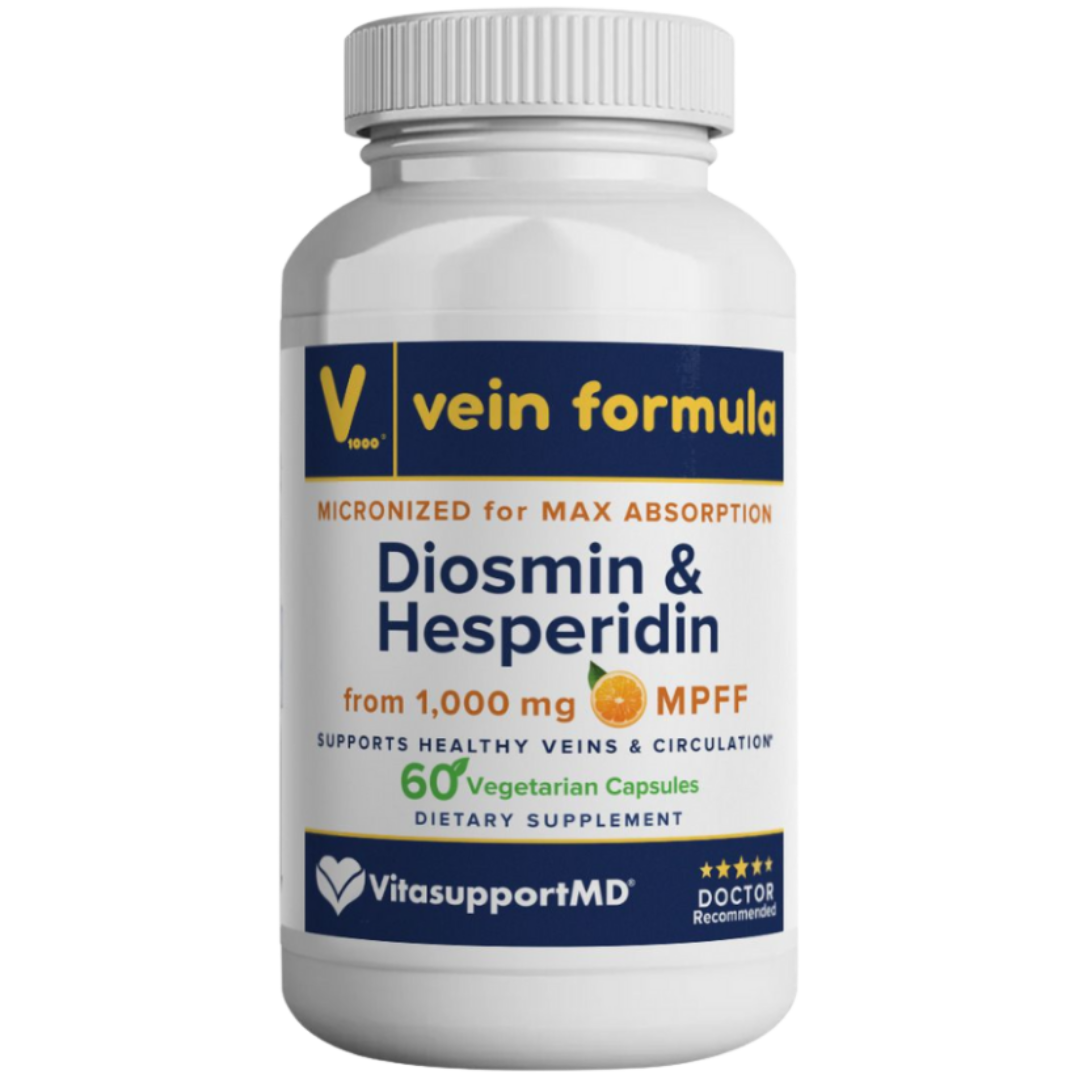
Some people add nutritional support during these months. VitasupportMD's Vein Formula provides 1000 mg of Micronized Purified Flavonoid Fraction (MPFF), a complex of micronized diosmin and hesperidin, per serving. These citrus-derived bioflavonoids have been used for decades to support healthy leg veins and steady blood flow.
Keep the Muscle Pump Working
Your calf muscles act as a pump. Each time they contract, they squeeze the veins and push blood upward toward the heart. In cold weather people tend to move less, and the pump gets less work.
You don't need an intense workout to keep it going. Ankle circles, standing toe raises, seated marching or a short walk around the house all help. If it's too cold outside, try yoga or stretching indoors. Aim for about 30 minutes of gentle activity on most days, such as walking, swimming or yoga. Doing it regularly matters more than doing it hard.
For people who prefer a different formula, the Tri-Power Circulation Formula combines Butcher's Broom, Hesperidin Methyl Chalcone and Vitamin C. It is designed to support circulatory wellness during periods of inactivity or when the weather keeps you indoors.

Elevate Your Legs
Raising your legs above heart level helps blood return to the heart. Try it for 15 to 20 minutes a few times a day, for example while you watch TV or read.
Dress for the Cold
Layers let you adjust as you move between cold streets and heated rooms. Wool socks and other warm accessories protect the areas where blood flow is restricted first.
Compression stockings apply gentle pressure to the legs and may support blood flow. They are usually worn from morning until evening and come in different strengths, so ask your doctor which type suits you.
Stay Hydrated and Watch the Salt
It's easy to forget to drink water when it's cold, but hydration helps maintain blood volume. Dehydrated blood is thicker and moves more slowly, so sip water or herbal tea through the day. Too much salt makes the body hold on to water, which can put extra pressure on your veins.
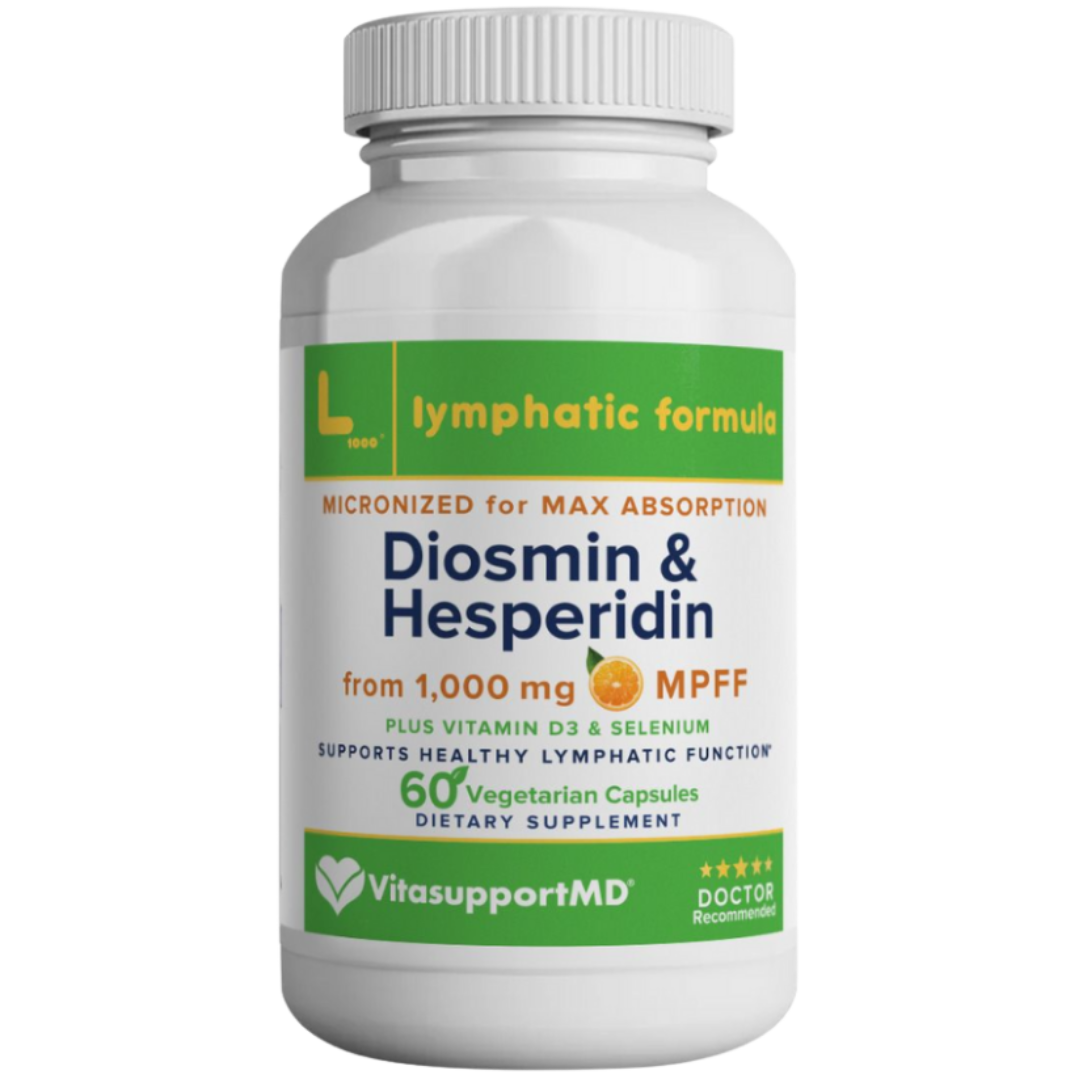
If your focus also includes the body's natural lymphatic drainage, VitasupportMD's Lymphatic Formula combines MPFF with Vitamin D3 and Selenium to support lymphatic function and help your legs feel lighter during winter.
Eat for Your Vessels and Manage Stress
A balanced diet with fruits, vegetables and whole grains supports vein health. Berries and leafy greens provide antioxidants that may help protect your vessels from oxidative stress. Ginger and turmeric have a long history in wellness traditions for supporting vitality and blood flow.
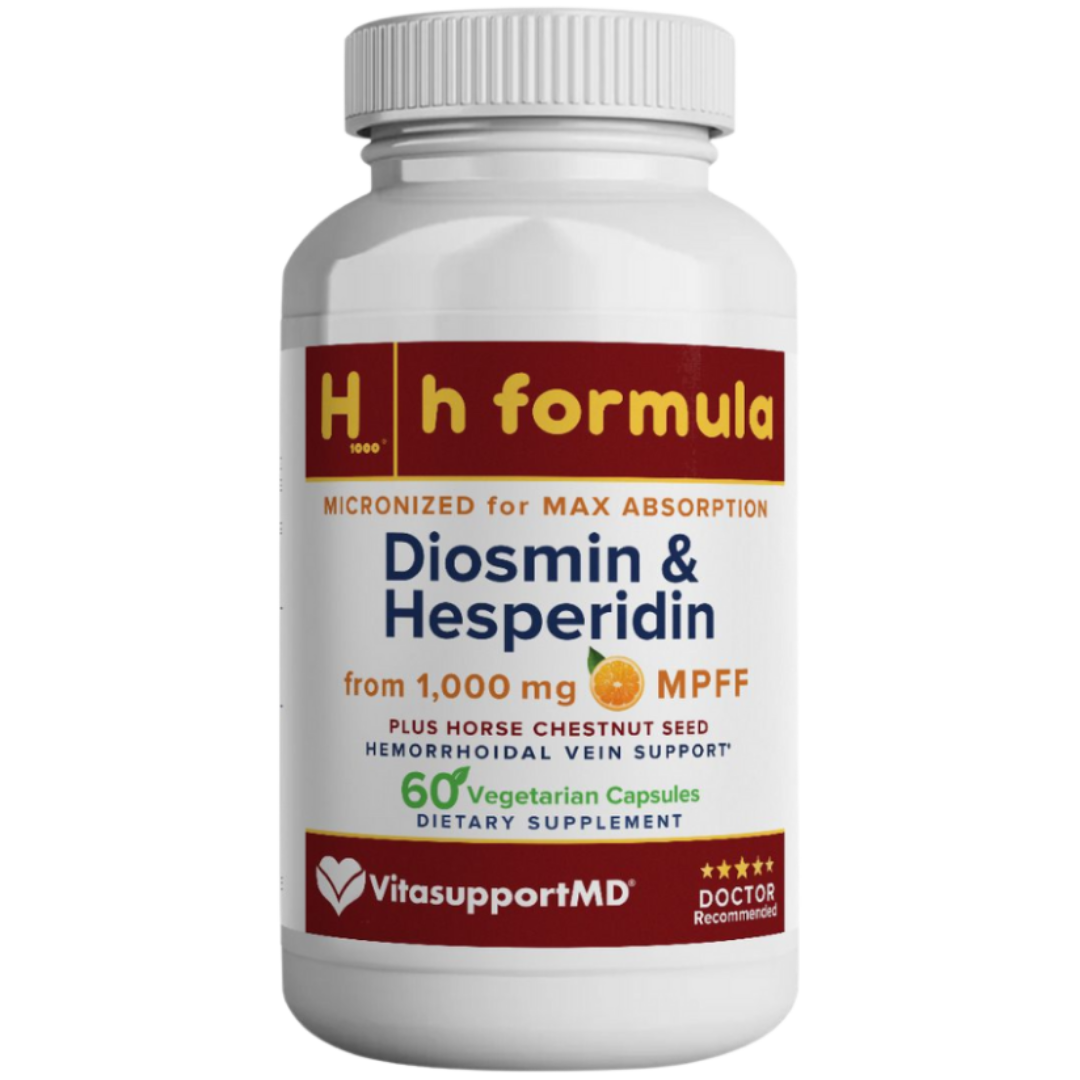
Stress plays a part too. Chronic stress releases hormones that can make blood vessels constrict, which further limits flow to the skin and extremities. Deep breathing, meditation or a calm bedtime routine help the body relax. For support in a specific area, VitasupportMD's H Formula combines bioflavonoids with horse chestnut seed extract to support the strength and tone of hemorrhoidal veins.
Keep It Consistent
Small habits work best when you repeat them every day: a reminder to stretch, a glass of water with each meal, your supplements with breakfast. For people who have used VitasupportMD from the start, the Original Vein Formula (V60) contains the original blend of micronized diosmin and hesperidin as MPFF to support vein function and healthy blood flow in every season.
When to See a Doctor
Talk to a doctor or vein specialist if you have ongoing pain, noticeable swelling, heaviness, veins that feel hard, visible changes in your veins, or sores that aren't healing. Your primary care doctor can recommend a specialist. At the visit, the specialist will ask about your symptoms and may run a simple test to check blood flow before discussing options, which can include lifestyle changes, supplements or other treatments.
Frequently Asked Questions
How does cold weather affect my veins? Cold makes blood vessels constrict, which may slow blood flow. This can lead to cold extremities, discomfort or swelling, especially in the legs.
How can I support my circulation during winter? Move every day, stay hydrated, dress in layers and eat a diet rich in fruits, vegetables and antioxidants. Elevating your legs and wearing compression stockings, if your doctor recommends them, can also help.
Does drinking water help me feel warmer? Staying hydrated helps maintain blood volume and keeps blood from becoming too thick. Dehydrated blood moves more slowly, which makes it harder for your body to carry warmth to your hands and feet.
What exercises can I do when I'm stuck inside? Ankle circles, seated marching, standing toe raises, yoga and stretching all activate the leg muscles and need no equipment and little space.
Why do my legs feel heavier in winter? Moving less, combined with cold-induced narrowing of the blood vessels, makes it harder for blood to return from the lower legs. This can feel like heaviness or tiredness in the calves and ankles.
Is it normal for my hands and feet to be colder than the rest of my body? Yes. Vasoconstriction redirects blood toward the core to protect vital organs, so the extremities get less warmth.
When should I see a doctor about my veins? See a doctor if you notice ongoing pain, swelling, heaviness, hard veins, sores that aren't healing or visible changes in your veins.


