




The words "free radicals" and "antioxidants" appear on everything from juice bottles to skin creams, yet they are rarely explained clearly. Understanding what they actually mean can help you make calmer, better-informed choices about food and supplements. This guide explains oxidative stress in plain language, why it becomes a bigger topic as we age, and the everyday habits that may support your body's natural antioxidant defenses.
What Are Free Radicals?
Every cell in the body uses oxygen to turn food into energy. This process is essential, but it also produces small, unstable molecules called free radicals. A free radical is missing an electron, so it tries to take one from nearby molecules, which can affect cell membranes, proteins, and DNA.
Free radicals are not simply "bad." The body uses some of them to send signals and to defend itself. Problems arise when there are more free radicals than the body can comfortably manage.
What Is Oxidative Stress?
Oxidative stress describes that imbalance: more free radicals being produced than the body's antioxidant defenses can neutralize. Antioxidants are molecules that can give up an electron without becoming unstable themselves, which helps calm free radicals before they affect healthy cells.
The body makes some antioxidants on its own, including enzymes that depend on minerals such as selenium. Others come from food, such as vitamin C, vitamin E, and the flavonoids found in fruit and vegetables.
Why Oxidative Stress Becomes More Relevant With Age
As the years pass, the body's own antioxidant enzymes tend to become less efficient. At the same time, everyday factors such as sun exposure, smoking, air pollution, poor sleep, and diets low in fruit and vegetables can increase the number of free radicals the body has to manage. This combination is one reason researchers who study aging pay close attention to oxidative balance.
Blood vessels are a good example. Their inner lining is sensitive to oxidative balance, which is why antioxidant-rich nutrition is often discussed alongside healthy circulation.
Everyday Habits That Support Antioxidant Balance
The most reliable way to support antioxidant balance is through daily habits rather than any single product.
Eat a colorful plate. Berries, citrus fruits, leafy greens, peppers, tomatoes, and beans provide a wide range of antioxidants. The more color, the wider the variety.
Stay active. Regular, moderate exercise helps the body build up its own antioxidant defenses over time.
Protect your sleep. Seven to eight hours of rest gives the body time to recover.
Limit tobacco and excess alcohol. Both are major sources of extra free radicals.
Protect your skin from strong sun. Ultraviolet light is a well-known source of oxidative stress in the skin.
Key Nutrients With Antioxidant Roles
Vitamin C is a water-soluble antioxidant found in citrus, kiwi, strawberries, and peppers. It is also needed to form collagen, a protein that gives structure to skin and blood vessel walls.
Selenium is a trace mineral the body uses to build antioxidant enzymes called glutathione peroxidases. Brazil nuts, seafood, eggs, and whole grains are common sources.
Citrus flavonoids such as hesperidin and diosmin have been studied for decades for their antioxidant properties and their role in supporting healthy blood vessels.
Where Targeted Nutrition Fits In
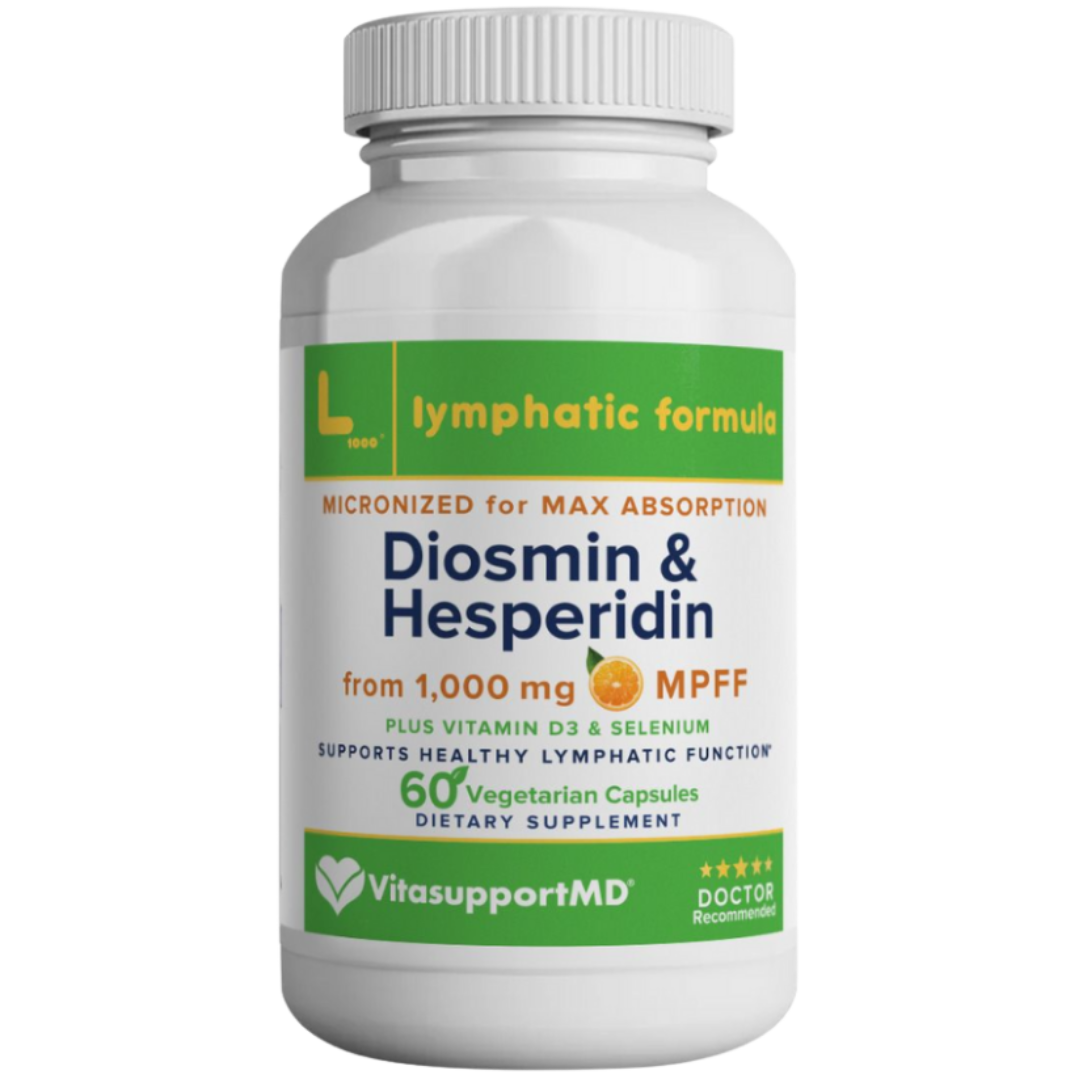
Food should always come first, but some people choose supplements that bring several of these nutrients together. VitasupportMD Lymphatic Formula combines 1,000 mg of micronized diosmin and hesperidin with 200 mcg of selenium and 2,000 IU of vitamin D3 to support healthy lymphatic function and circulation. For those who prefer a botanical option, VitasupportMD Tri-Power Circulation Formula provides 100 mg of vitamin C with butcher's broom extract and hesperidin methyl chalcone in one daily capsule.
As with any supplement, consult your physician before adding it to your routine.
Frequently Asked Questions
What is oxidative stress in simple terms?
Oxidative stress is an imbalance between free radicals, which are unstable molecules made during normal metabolism, and the antioxidants that help keep them in check.
Are all free radicals harmful?
No. The body uses some free radicals for signaling and defense. They become a concern only when there are more of them than the body's antioxidant defenses can manage.
What foods are highest in antioxidants?
Berries, citrus fruits, leafy greens, beans, nuts, and brightly colored vegetables are among the richest everyday sources.
How does selenium relate to antioxidants?
Selenium is part of several antioxidant enzymes the body makes on its own, which is why it is often described as supporting the body's natural antioxidant defenses.
Can supplements replace an antioxidant-rich diet?
No. Supplements can complement a balanced diet, but whole foods provide a much wider range of antioxidants and other nutrients.


