




Most of us grew up thinking about age as a single number. Birthdays came and went, and the goal was simply to have as many of them as possible. In recent years, researchers and physicians have started to talk about a second number that may matter just as much: healthspan. It describes the years we spend feeling capable, independent, and comfortable in our daily lives. This article looks at what healthspan means, why it has become such an important idea for people over 50, and which everyday habits may support it.
What Is the Difference Between Lifespan and Healthspan?
Lifespan is the total number of years a person lives. Healthspan is the portion of those years spent in good health, free to move, travel, work, garden, and spend time with family without major limitations.
The two numbers do not always move together. Average life expectancy in many countries has risen over the past century, yet many people spend their later years managing fatigue, stiffness, or reduced mobility. The goal of thinking in terms of healthspan is to close that gap, so that more of the years we live are years we enjoy.
Why Healthspan Has Become a Focus After 50
Several natural changes begin to add up in midlife. Muscle mass slowly declines, joints lose some of their flexibility, and the blood vessels that carry oxygen and nutrients through the body become a little less elastic. None of these changes happen overnight, which is exactly why small daily choices made in our 50s and 60s can make such a difference in how we feel in our 70s and 80s.
Researchers who study healthy aging often point to a handful of areas that shape healthspan: regular movement, balanced nutrition, restful sleep, social connection, and attention to circulation. Each one supports the others.
Movement: The Habit With the Widest Reach
Regular movement is one of the most researched habits for healthy aging. Walking, swimming, cycling, gentle yoga, and strength exercises all help maintain muscle, balance, and joint mobility. Movement also keeps the calf muscles active, and these muscles play an important role in moving blood from the legs back toward the heart.
You do not need intense workouts to see the value. A daily walk, a few sets of chair exercises, or stretching while the kettle boils all count. The most important factor is consistency over months and years.
Nutrition That Supports Healthy Aging
A varied diet built around vegetables, fruit, whole grains, legumes, nuts, and lean protein provides the vitamins, minerals, and plant compounds the body uses every day. Citrus fruits, berries, and leafy greens are rich in flavonoids, a family of plant compounds that has been studied for decades for its role in supporting healthy blood vessels.
Protein deserves special attention after 50, since it helps preserve muscle. Adequate water intake matters too, as our sense of thirst tends to weaken with age.
Sleep and Social Connection
Quality sleep gives the body time to rest and recover, and many older adults find that a regular bedtime routine makes a noticeable difference in how they feel during the day. Social connection is just as important. Studies on aging consistently link strong relationships and a sense of purpose with better wellbeing in later life.
Supporting Circulation as Part of Your Routine
Healthy circulation carries oxygen and nutrients to every part of the body, which makes it a quiet foundation for healthspan. Alongside movement and hydration, some people choose to add targeted nutrition to their daily routine.
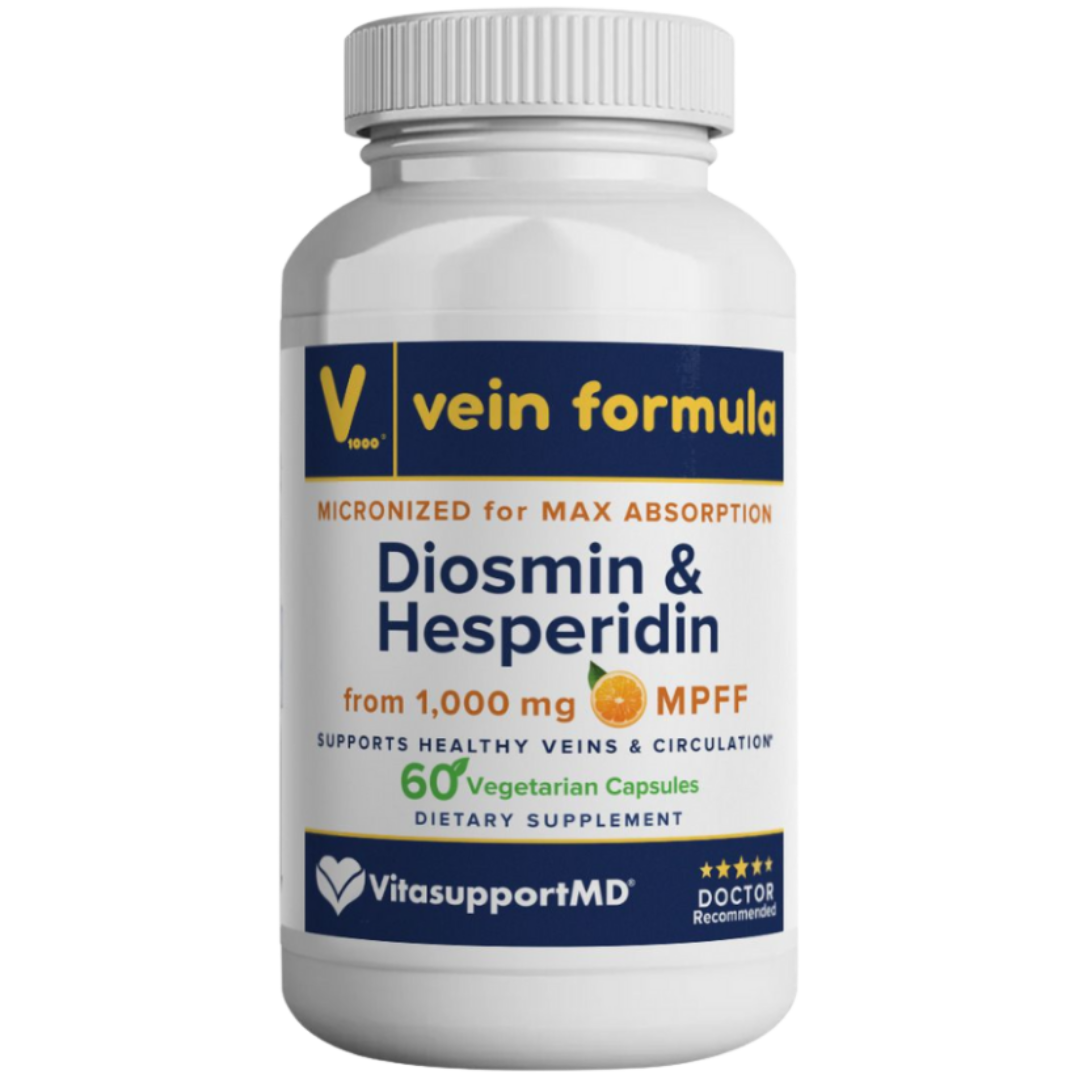
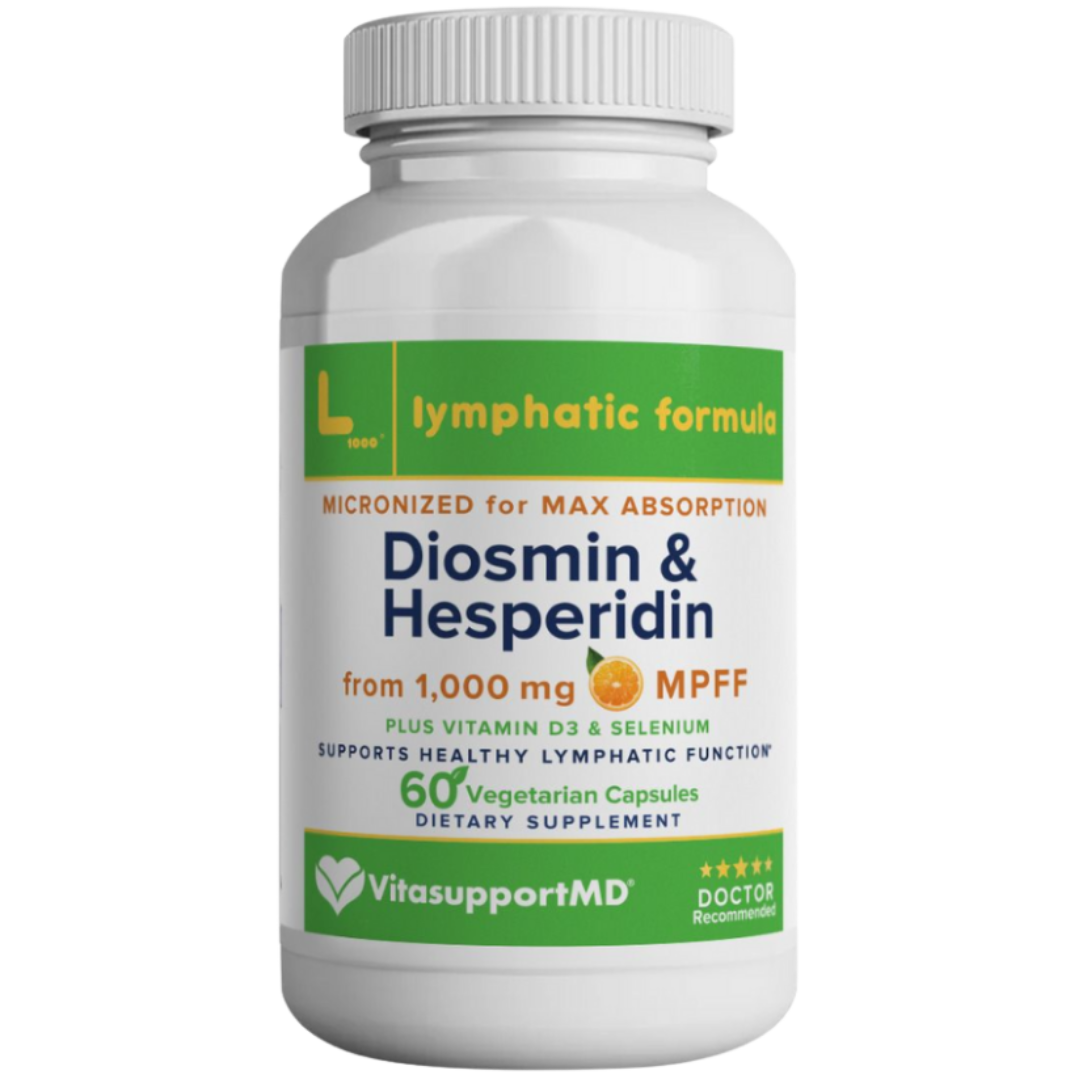
VitasupportMD Vein Formula provides 1,000 mg of micronized diosmin and hesperidin, citrus bioflavonoids known as MPFF, in a 2-capsule serving to support healthy leg veins and circulation. For those who also want to support healthy lymphatic function, VitasupportMD Lymphatic Formula pairs the same 1,000 mg of MPFF with 2,000 IU of vitamin D3 and 200 mcg of selenium. Both were formulated by a cardiovascular surgeon to complement an active daily routine.
As with any supplement, speak with your physician before adding it to your routine, especially if you take prescription medication.
Small Steps That Add Up
Healthspan is not built in a single dramatic change. It grows from small, repeatable choices: a walk after dinner, an extra serving of vegetables, a regular bedtime, a phone call with a friend. Choose one habit to start this week, and add another once it feels natural.
Frequently Asked Questions
What does healthspan mean?
Healthspan is the number of years a person lives in good health, able to stay active and independent. It is different from lifespan, which counts all the years a person lives.
Is it too late to focus on healthspan after 60?
No. Research on older adults shows that starting regular movement, balanced eating, and better sleep habits later in life can still support strength, mobility, and wellbeing.
Which habit matters most for healthspan?
There is no single habit, but regular movement has some of the widest reach, since it supports muscles, joints, balance, and circulation at the same time.
How does circulation relate to healthy aging?
Circulation carries oxygen and nutrients throughout the body. Staying active, drinking enough water, and eating flavonoid-rich foods are everyday ways to support healthy circulation as you age.
Should I take supplements to support healthspan?
Supplements can complement a healthy routine but do not replace movement, nutrition, and sleep. Talk with your physician about which options fit your needs.
Title Tag
Healthspan vs Lifespan: Why How You Age Matters
Meta Description
Learn the difference between healthspan and lifespan, why it matters after 50, and the everyday habits that may support healthy aging and circulation.


