




For millions of professionals, spending an entire shift on your feet is simply part of the job. Whether you are a nurse navigating long hospital corridors, a teacher standing at the front of a classroom, a retail associate assisting customers, or a hospitality worker serving guests, your daily role requires endurance. While staying active throughout the day has its perks, remaining standing for hours at a time presents a unique physical demand on your lower extremities. By the end of a long shift, it is common to experience a tired, heavy feeling in the lower limbs, along with temporary fluid collection around the ankles.
Understanding how your body manages blood flow while you are upright is the first step toward maintaining physical comfort. With a few practical workplace adjustments, simple movement habits, and targeted nutritional support, you can help support your leg comfort and maintain your energy throughout the workday.
The Science of Standing: Gravity and the Calf Muscle Pump
To understand why standing for prolonged periods affects your legs, it helps to look at how blood travels through your lower body. Your heart easily pumps oxygenated blood down to your feet with the help of gravity. However, returning that blood back up to your heart is an uphill battle. The venous network in your lower limbs must constantly work against the downward pull of gravity to keep blood moving upward.
To accomplish this task, your body relies heavily on a mechanism known as the calf muscle pump. Every time you take a step, flex your foot, or bend your knees, the calf muscles contract. This squeezing action compresses the deep veins in the lower leg, pushing blood upward through a series of one-way valves designed to prevent backflow.
When you are walking, this pump operates efficiently. However, when you are standing still in one position for extended periods, the calf muscles remain largely inactive. Without regular muscle contraction to assist the venous valves, blood and fluid move more sluggishly through the lower extremities. Over time, this passive pooling can lead to feelings of tightness, leg fatigue, and noticeable heaviness by the time your shift ends.
Practical Movement Strategies for Standing Jobs
You do not need to interrupt your workflow or step away from your station to encourage better blood flow. Incorporating simple "micro-moves" into your standing job leg support routine can help activate the calf muscle pump, even when you cannot leave your workspace.
Simple Standing Micro-Moves
-
Standing Calf Raises: Slowly lift your heels off the floor until you are standing on your toes, hold for two seconds, and lower back down. Repeat this 10 to 15 times every hour to manually engage the calf muscles.
-
Weight Shifts: Avoid locking your knees or standing completely still. Gently shift your weight from one foot to the other, or move from your heels to your toes, to keep the lower leg muscles subtly engaged.
-
Toe Taps and Heel Lifts: While standing in place, alternate lifting your toes off the floor while keeping your heels planted, then lifting your heels while keeping your toes planted.
-
Stepping in Place: If you are restricted to a small area, simply marching softly in place for 30 to 60 seconds helps reset blood flow in the lower limbs.
Optimizing Your Work Environment
In addition to physical movement, small adjustments to your immediate surroundings can significantly reduce physical stress on your lower body:
-
Use Anti-Fatigue Matting: If you stand in a fixed location, such as behind a register or at a workstation, request or invest in an anti-fatigue rubber mat. These mats provide subtle instability that encourages small, continuous muscle contractions in your calves and feet.
-
Choose Supportive Footwear: Wear supportive, cushioned shoes with a slight heel elevation (about half an inch to an inch) rather than completely flat shoes or high heels, as this posture supports optimal calf muscle engagement.
-
Incorporate Ergonomic Footrests: Placing one foot on a low step stool or footrest while standing, and alternating feet periodically, helps tilt the pelvis and reduce tension in the lower back and legs.
Nutritional Support for Venous Strength
While physical movement provides the mechanical force needed to move fluid upward, internal nutrition helps support the structural integrity of your blood vessel walls. Certain plant-derived bioflavonoid compounds have been studied for decades for their ability to support vascular health and maintain healthy vein tone.
The most researched complex in this field is Micronized Purified Flavonoid Fraction (MPFF), a precise combination of diosmin and hesperidin derived from citrus rinds. These natural bioflavonoid compounds help support healthy leg veins, promote steady blood flow, and assist in maintaining lower leg comfort during long hours on your feet.
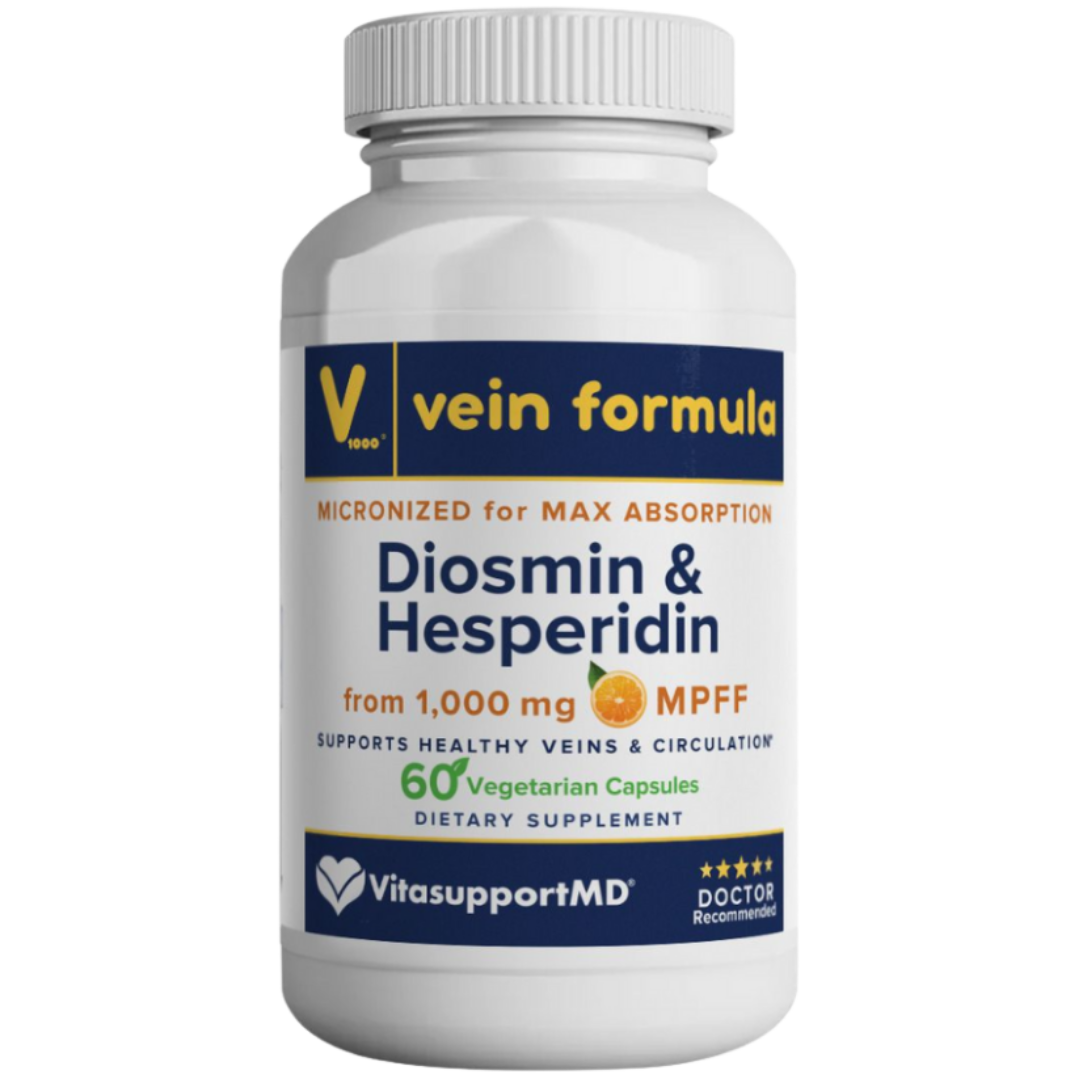
For professionals seeking comprehensive daily support, VitasupportMD’s Vein Formula delivers 1000mg of MPFF per serving. This doctor-formulated dietary supplement provides high-absorption micronized flavonoids to help maintain vein elasticity and support healthy circulation throughout demanding shifts.
If you are looking for a baseline maintenance option or a longer two-month supply, VitasupportMD’s Original Vein Formula (V60) offers 600 mg of diosmin and 67 mg of hesperidin per serving. This classic formulation supports proper vein function and comfortable blood flow, making it a reliable addition to your morning routine.
For those who prefer a varied botanical approach, VitasupportMD’s Tri-Power Circulation Formula blends Butcher’s Broom extract with Hesperidin Methyl Chalcone and Vitamin C. Butcher’s Broom is a traditional European plant known for supporting vascular tone, while Vitamin C plays an essential role in collagen formation, which provides structural support for blood vessel walls.
Fluid Balance and Lymphatic Health
Circulation involves more than just the movement of blood through arteries and veins; it also relies heavily on the lymphatic system. This secondary fluid network works alongside your blood vessels to collect excess tissue fluid, filter waste, and return clean fluid back into the bloodstream.
Unlike the cardiovascular system, which has the heart as a central pump, the lymphatic network relies entirely on muscle movement, physical respiration, and proper hydration to move fluid upward. When standing still for long periods, lymph fluid can accumulate in the soft tissues of the feet and ankles, contributing to that familiar "puffy" or tight sensation at the end of the day.
Staying consistently hydrated throughout your shift is fundamental for maintaining proper fluid viscosity. When you lack sufficient water, fluid balance becomes harder to manage, making it more difficult for your body to move fluids efficiently. Sipping water regularly throughout the day helps maintain normal blood volume and fluid characteristics.
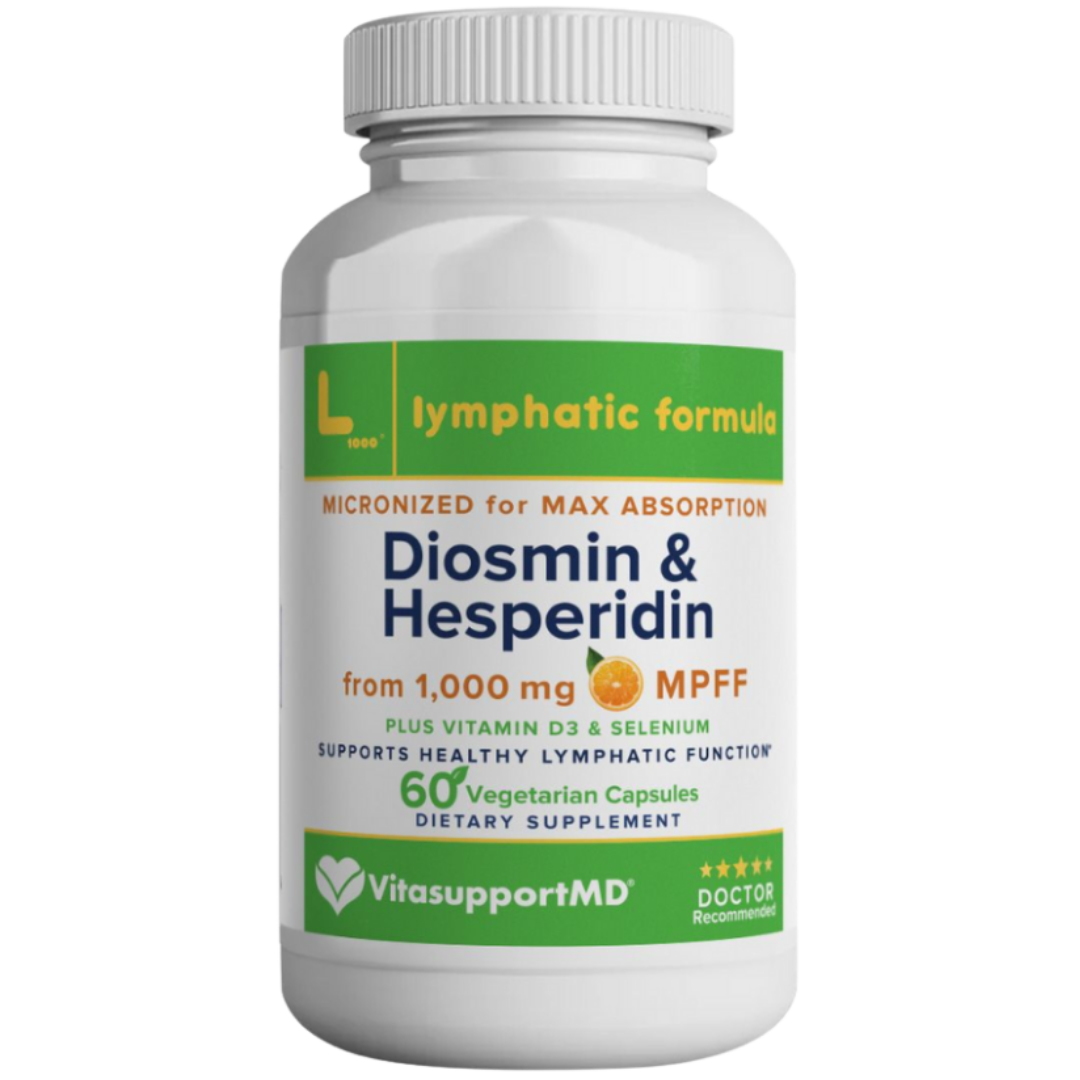
To provide targeted support for both vein function and fluid balance, VitasupportMD’s Lymphatic Formula combines 1000 mg of MPFF (diosmin and hesperidin) with 2000 IU of Vitamin D3 and 200 mcg of Selenium. This targeted blend works from within to support a healthy fluid clearance network, encourage natural lymphatic drainage in the tissues, and support everyday leg comfort.
Comprehensive Vascular Care for Full-Body Comfort
Sustained physical pressure from standing or heavy physical roles can extend beyond the lower legs. Prolonged standing, heavy lifting, and physical exertion can also place pressure on the pelvic floor and lower rectal area, where the hemorrhoidal veins are located. Supporting healthy vascular tone throughout the entire body is an essential component of overall physical well-being.
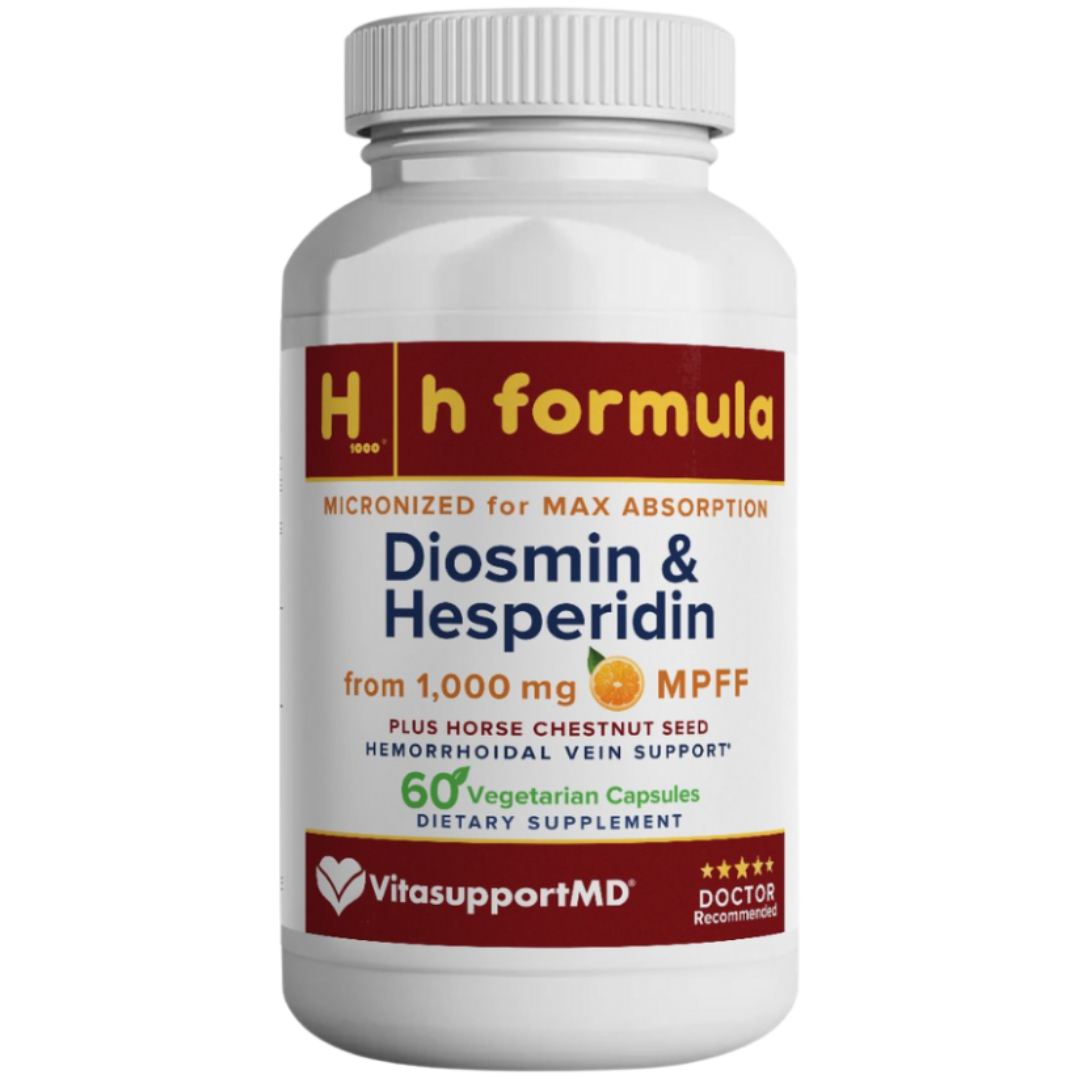
To address comfort in these specific vascular pathways, VitasupportMD’s H Formula pairs 1000 mg of citrus-derived MPFF with 300 mg of Horse Chestnut Seed Extract. Horse chestnut contains a natural compound called aescin, which has been widely studied for its ability to support capillary strength and venous tone. This combination offers dedicated support for healthy hemorrhoidal veins, helping you maintain physical comfort and confidence throughout your active day.
Post-Shift Recovery Habits
What you do after your shift is just as important as the habits you practice while on the clock. Giving your legs a chance to recover at the end of the day helps clear built-up fluid and prepares your lower extremities for the next day.
Evening Recovery Routine
-
Elevate Your Legs: When you return home, spend 15 to 20 minutes resting with your legs elevated above the level of your heart. You can rest your feet on a stack of pillows or against a wall. This simple technique uses gravity to assist fluid return toward the body's center.
-
Practice Light Stretching: Perform gentle calf and hamstring stretches before bed to relieve residual muscle tension accumulated from hours of standing.
-
Try Cool Showers or Soaks: Rinsing your lower legs with cool water at the end of a shower can help foster a refreshed sensation in tired limbs.
-
Wear Graduated Compression: Wearing graduated compression socks during your shift applies gentle, decreasing pressure from the ankle upward, offering passive mechanical support to assist natural blood movement.
By combining regular movement, proper workplace setup, post-shift elevation, and targeted bioflavonoid support, you can take a proactive approach to your daily wellness. Taking care of your leg health allows you to navigate demanding standing roles with greater comfort, vitality, and ease.
FAQ
Why do my legs feel heavier after standing than after walking?
When you walk, your calf muscles contract regularly, acting as a pump to push blood upward toward your heart. When you stand still, these muscles remain inactive, allowing blood and fluid to move more sluggishly and pool in the lower extremities, which creates a heavy sensation.
How can I support standing job leg support if I cannot leave my station?
You can perform subtle "micro-moves" right where you stand. Doing standing calf raises, shifting your weight from foot to foot, lifting your toes, or stepping in place for a few seconds every hour helps engage the calf muscle pump without disrupting your work.
What role do bioflavonoid supplements play in leg comfort?
Citrus-derived bioflavonoids like diosmin and hesperidin (found in MPFF) have been researched for their ability to support blood vessel elasticity, strengthen vein walls, and promote steady circulation in the lower legs, supporting physical comfort during long shifts.
Does drinking water really help with fluid accumulation in the ankles?
Yes. Adequate hydration is essential for maintaining optimal blood volume and fluid balance. When you are dehydrated, your body may hold onto fluid more readily, and blood viscosity increases, making circulation more sluggish.
How long should I elevate my legs after a long shift?
Elevating your legs above the level of your heart for 15 to 20 minutes at the end of the day is generally sufficient to allow gravity to assist in moving pooled fluid out of the lower legs and back toward your core.


