




Your circulatory system moves oxygen, nutrients, hormones and waste to and from every cell in your body. Genetics, age and physical activity all affect how well it works, but diet is one of the most accessible ways to support it day to day. This matters even more if you spend most of the day sitting or standing, or if you are over 45.
This article covers how food choices affect your blood vessels and veins, which nutrients and foods to focus on, what to limit, and how to build meals that support healthy circulation.
Understanding the Circulatory System
The circulatory system is made up of the heart, arteries, veins, capillaries and blood. Together they deliver oxygen and nutrients, support immune function, regulate temperature and help remove waste.
Arteries carry oxygen-rich blood away from the heart, and veins bring blood back to it. Capillaries, the smallest vessels, are where oxygen and nutrients pass into the cells. The whole network depends on flexible vessels, steady blood flow and balanced pressure, and diet influences all three.
How Nutrition Supports Circulation
A balanced, nutrient-rich diet can support vessel tone, help keep blood pressure in a healthy range, support balanced cholesterol levels and encourage a healthy inflammatory response. Diet works together with your other habits, but what you eat consistently over months and years gives your body's natural processes meaningful support.
Nutrients That Support Circulatory Wellness
None of these nutrients works alone, but each one plays a part in keeping vessels healthy and blood moving.
Omega-3 fatty acids
Omega-3s from fatty fish, flaxseeds, walnuts and algae-based supplements have been shown to support blood vessel flexibility and balanced lipid levels.
Fiber
Fiber from whole grains, legumes, fruits and vegetables supports cholesterol balance and cardiovascular health. It also matters for your veins. Fiber keeps digestion regular, and slow digestion can put extra strain on the hemorrhoidal veins in the lower rectum and pelvic area. Aim for both types:
- Soluble fiber, found in oats, beans and lentils, helps maintain a healthy balance in the bloodstream.
- Insoluble fiber, found in whole grains and the skins of fruits and vegetables, keeps the digestive tract moving.
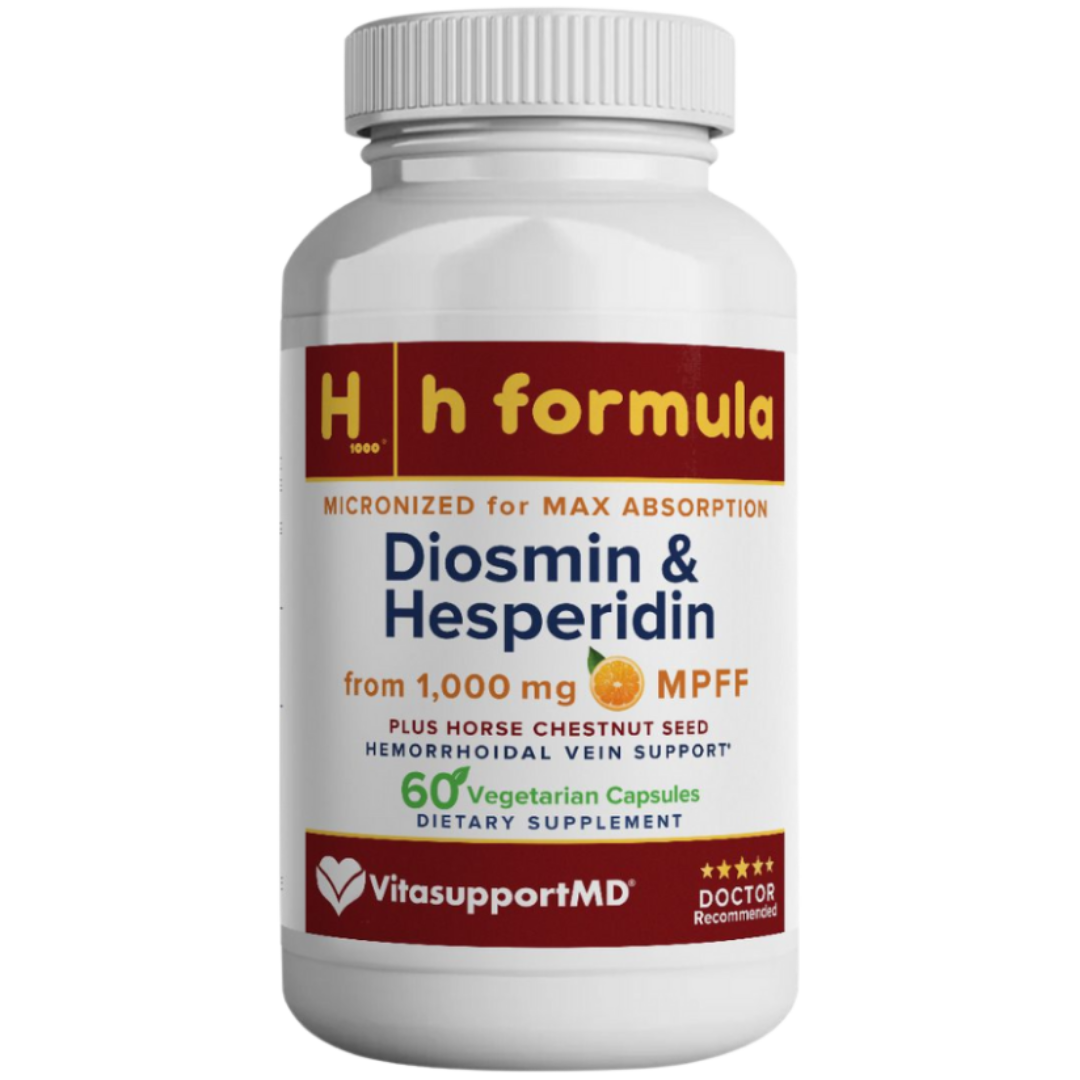
When the hemorrhoidal veins need more targeted support, VitasupportMD's H Formula combines micronized diosmin and hesperidin from MPFF with horse chestnut seed extract, a traditional ingredient used to support capillary strength and venous health.
Antioxidants
Antioxidants help neutralize free radicals and support vascular health. Berries, citrus fruits, leafy greens, green tea and, in moderation, dark chocolate are good sources.
Bioflavonoids
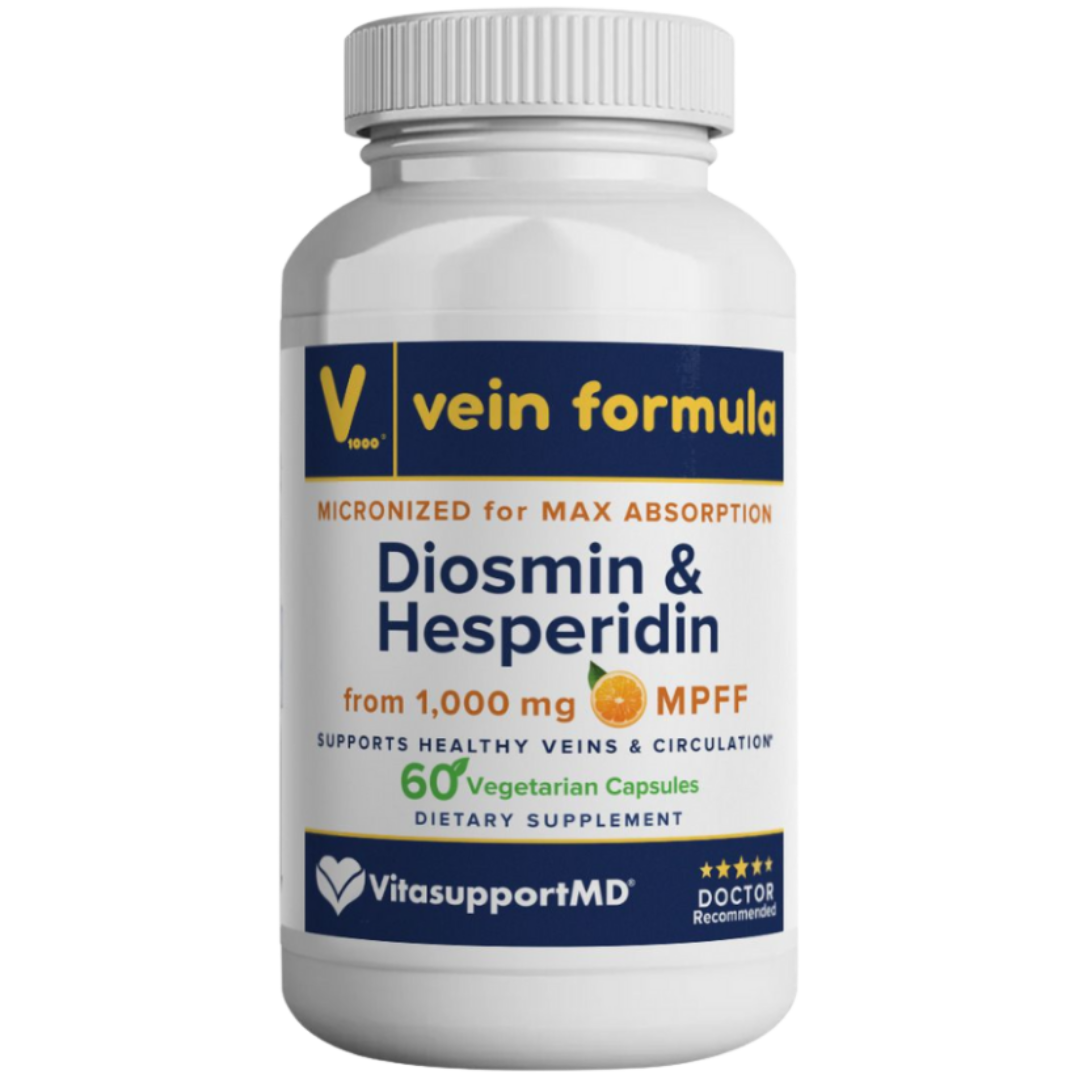
Bioflavonoids such as diosmin and hesperidin are found naturally in the rinds of citrus fruits and have been studied for their role in supporting venous tone and microcirculation. You get some from oranges and lemons, but many people prefer supplements for a standardized, consistent amount. VitasupportMD's Vein Formula provides 1000 mg of micronized purified flavonoid fraction (MPFF), a micronized blend of diosmin and hesperidin, per serving to support healthy leg veins and circulation.
Vitamin C
Vitamin C is needed to produce collagen, which gives blood vessels their structure and elasticity. Citrus fruits, berries, garden vegetables and tropical fruits are all good sources.
Magnesium and potassium
These two minerals help maintain vascular tone and normal blood pressure. Potassium also helps the body keep a healthy fluid balance, which can reduce the feeling of heaviness in the legs. Spinach, black beans, bananas, avocados, sweet potatoes and root vegetables provide both.
Plant nitrates
Beets, celery and arugula contain natural nitrates that the body converts into nitric oxide, which may help blood vessels relax and support healthy circulation.
Everyday Foods for a Circulation-Supportive Diet
Whole foods are an easier and more sustainable way to get these nutrients than tracking them one by one.
- Leafy greens: spinach, kale and arugula provide vitamins, minerals and plant nitrates that support vascular tone.
- Berries: blueberries, raspberries and strawberries are rich in antioxidants and phytonutrients linked to vascular health.
- Fatty fish: salmon, mackerel and sardines are excellent sources of omega-3s.
- Whole grains: brown rice, quinoa and oats provide fiber and steady energy.
- Beans and lentils: plant protein plus fiber, potassium and magnesium.
- Nuts and seeds: almonds, walnuts, flaxseeds and chia seeds combine healthy fats, minerals and antioxidants.
- Citrus fruits: oranges, lemons and grapefruits provide vitamin C and flavonoids that support vessel structure.
- Dark chocolate: in moderation, high-cocoa chocolate offers flavanols that may support the inner lining of blood vessels.
Eating Patterns That Support Circulation
Long-term eating patterns work better than short, restrictive diets.
The Mediterranean diet is one of the most researched patterns for circulatory support. It is built around fruits, vegetables, legumes, nuts, seeds, whole grains and olive oil, with fish eaten regularly and red meat and processed foods kept to a minimum.
The DASH diet was originally developed to support healthy blood pressure. It focuses on foods rich in potassium, magnesium and calcium, keeps sodium low, and includes plenty of produce, whole grains, lean proteins and low-fat dairy.
A plant-forward diet focuses on plant foods while still allowing some animal products. It tends to lower sodium and saturated fat and increase fiber, phytonutrients and antioxidants.
What to Limit
- Sodium. Too much salt makes the body retain water, which can raise pressure in the circulatory system and leave your legs feeling puffy or uncomfortable. Most sodium comes from packaged and processed foods, so cooking at home and seasoning with herbs and spices helps.
- Added sugars. Regular high-sugar foods and drinks can cause blood sugar swings that affect vascular function over time.
- Trans fats and hydrogenated oils. Found in some packaged snacks and baked goods, they can interfere with cholesterol balance and vessel function.
- Processed meats. Sausages, bacon and deli meats are high in sodium and preservatives. Lean, unprocessed proteins are a better choice.
Hydration and Blood Flow
Water may be the most important "nutrient" for circulation. Dehydration makes blood thicker, so the heart and vessels have to work harder to keep it moving. Staying hydrated helps nutrients reach your tissues and extremities.
- Drink 8 to 10 glasses of water a day, more if you are active.
- Eat water-rich foods such as cucumbers, watermelon, celery, stone fruits and berries.
- Limit caffeine and alcohol, which can be dehydrating and may temporarily affect blood flow.
Supporting Your Veins and Lymphatic System Through Diet
Veins and the lymphatic system are part of the same circulatory network as the heart and arteries, and they benefit from good nutrition too.
Flavonoid-rich foods such as citrus fruits, apples and onions contain plant compounds that may support venous tone. Dark leafy greens and cruciferous vegetables provide antioxidants and polyphenols that support a balanced inflammatory response, which also affects veins and lymphatic function.
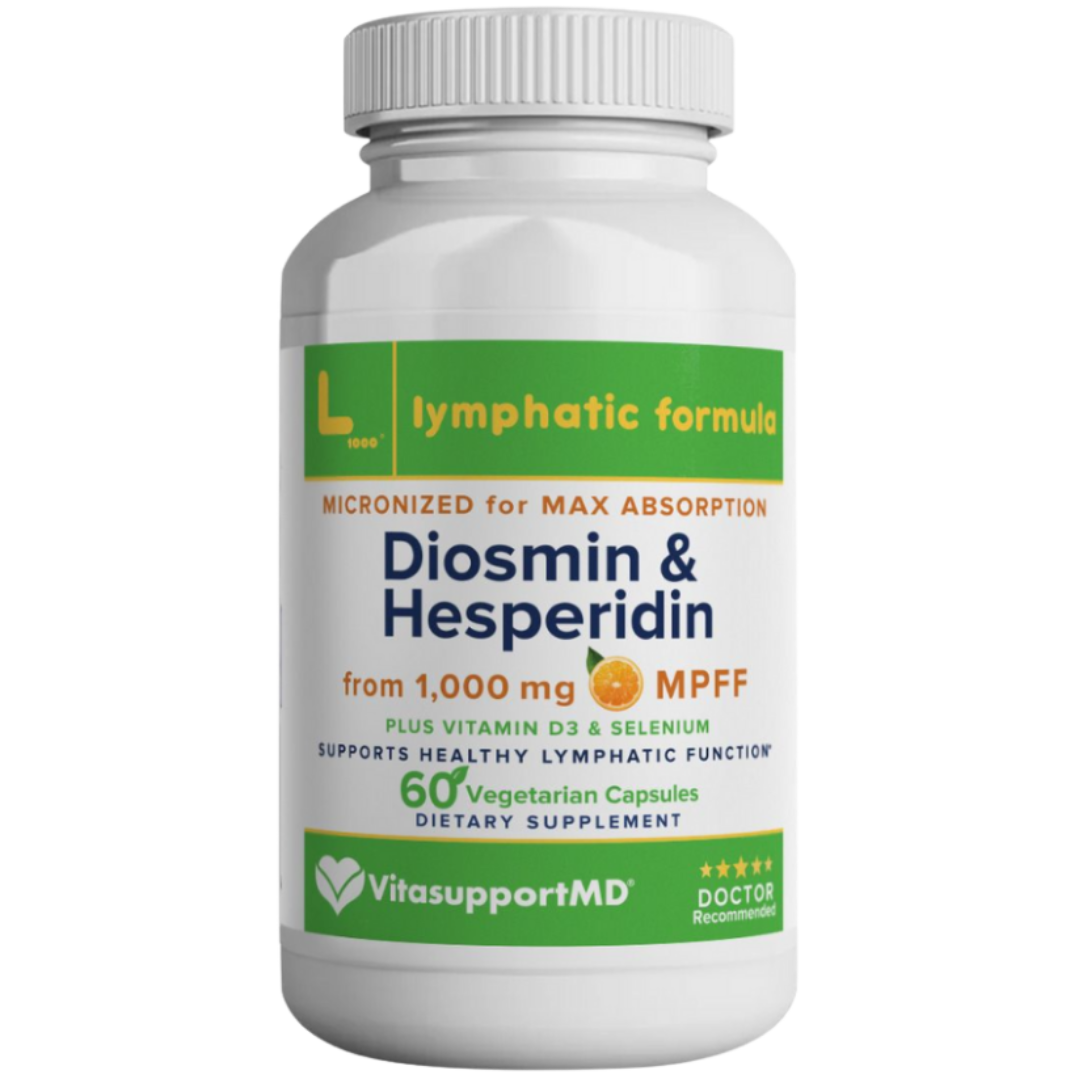
The lymphatic system helps maintain fluid balance and removes waste and byproducts from the tissues. Unlike blood, lymph has no heart to pump it, so it depends on movement, hydration and nutrients. Fiber and water together support digestion and fluid balance, which helps lymph keep moving. VitasupportMD's Lymphatic Formula combines MPFF with Vitamin D3 and Selenium for people who want to support both their veins and their lymphatic flow.
Lifestyle Habits That Work With Your Diet
A good diet works best alongside other habits:
- Move daily. Walking or stretching stimulates blood flow, and short breaks help if you sit all day.
- Avoid tobacco, including secondhand smoke. Smoking affects vascular tone and the elasticity of blood vessels.
- Manage stress. Chronic stress can contribute to blood pressure changes and inflammation. Mindfulness, breathing exercises and yoga can help.
- Sleep well. Sleep gives the body, including the vascular system, time to recover. A consistent routine helps.
Practical Ways to Eat for Better Circulation
You don't need to overhaul your kitchen. Small, consistent changes add up.
- Build a balanced plate. Fill half of it with colorful vegetables and fruit, add whole grains, and include a lean protein such as legumes, fish or poultry.
- Start with one or two changes. Add an extra serving of vegetables to each meal, or swap refined grains for whole grains.
- Snack smarter. A handful of almonds, a banana with nut butter or vegetables with hummus can replace processed snacks.
- Eat a variety of foods. Different colors of produce, protein sources and grains give your body a wider range of nutrients.
- Flavor without salt. Use herbs, spices, citrus and vinegar.
- Prep ahead. Batch-cooking vegetables, grains or proteins makes these habits easier on busy weeks.
Conclusion
Decades of research link diet to circulatory health. Food alone can't solve every health concern, but whole, minimally processed foods support your body's natural processes and healthy circulation over time, especially when combined with regular movement, hydration and good sleep.
Talk to a healthcare provider or registered dietitian before making significant changes to your diet, especially if you manage a health condition or take medication that affects circulation.
Related Articles
- Best supplements for leg circulation
- The connection between hydration and circulation
- What makes legs feel heavy or tired
- How to get energy naturally
- Cold weather and circulation
Frequently Asked Questions
How does diet affect circulation? Nutrients such as omega-3 fatty acids, fiber, potassium and antioxidants help maintain vessel flexibility, support healthy blood flow and encourage balanced blood pressure. Consistent food choices over time support the body's natural circulatory function.
What foods are good for blood flow and veins? Leafy greens, berries, fatty fish, citrus fruits, legumes, whole grains, nuts and seeds. They provide fiber, healthy fats, antioxidants and flavonoids that help maintain blood vessel tone.
Why are citrus fruits emphasized for vein health? Citrus fruits contain the flavonoids hesperidin and diosmin, which have antioxidant and venotonic properties and are often used to support the strength and flexibility of blood vessels. They are also rich in vitamin C, which supports collagen production and strong vein walls.
How does salt intake affect circulation? Too much sodium makes the body retain water, which can increase pressure in the circulatory system and cause puffiness or discomfort in the legs. Eating fewer processed foods and seasoning with herbs helps.
Can hydration affect circulation? Yes. Water helps maintain blood volume and keeps blood from becoming too thick, so it moves more easily through the vessels and delivers nutrients and oxygen to your tissues.
Are there specific vitamins that support vein health? Vitamin C supports collagen production, which contributes to vessel structure. Vitamin E, magnesium and potassium also support vascular function. You can find them in fruits, vegetables, nuts and seeds.
What is a good breakfast for healthy blood flow? Oats with berries and nuts. Oats provide fiber, berries provide antioxidants, and nuts provide healthy fats and minerals like magnesium.
What lifestyle habits support circulatory wellness? Regular movement, staying hydrated, avoiding tobacco, managing stress and getting enough sleep all work together with a healthy diet.


