




Long trips by plane, car or train are exciting, but they mean hours in a confined seat with little room to move. That can affect how your legs feel and how blood moves through them. Preparing for a journey is more than packing and checking the itinerary. A simple plan for your circulation, from the day you leave until you arrive, helps you stay comfortable and energized.
Why Long Trips Challenge Your Legs
Under normal conditions, walking and shifting position engage your calf muscles, which work as a pump that pushes blood upward against gravity. During long travel, that pump gets far less use, and fluid can collect in the lower legs and feet. Many travelers know the result: heavy, tight or puffy feet and ankles at the end of the day.
The travel environment adds to this. Narrow seats and tight spaces can compress the vessels in the hips and thighs. Airplane cabins are very dry, and dehydration makes blood thicker and harder to pump. Temperature changes in terminals and vehicles can also make blood vessels constrict or dilate, which affects how your legs feel.
Before You Go
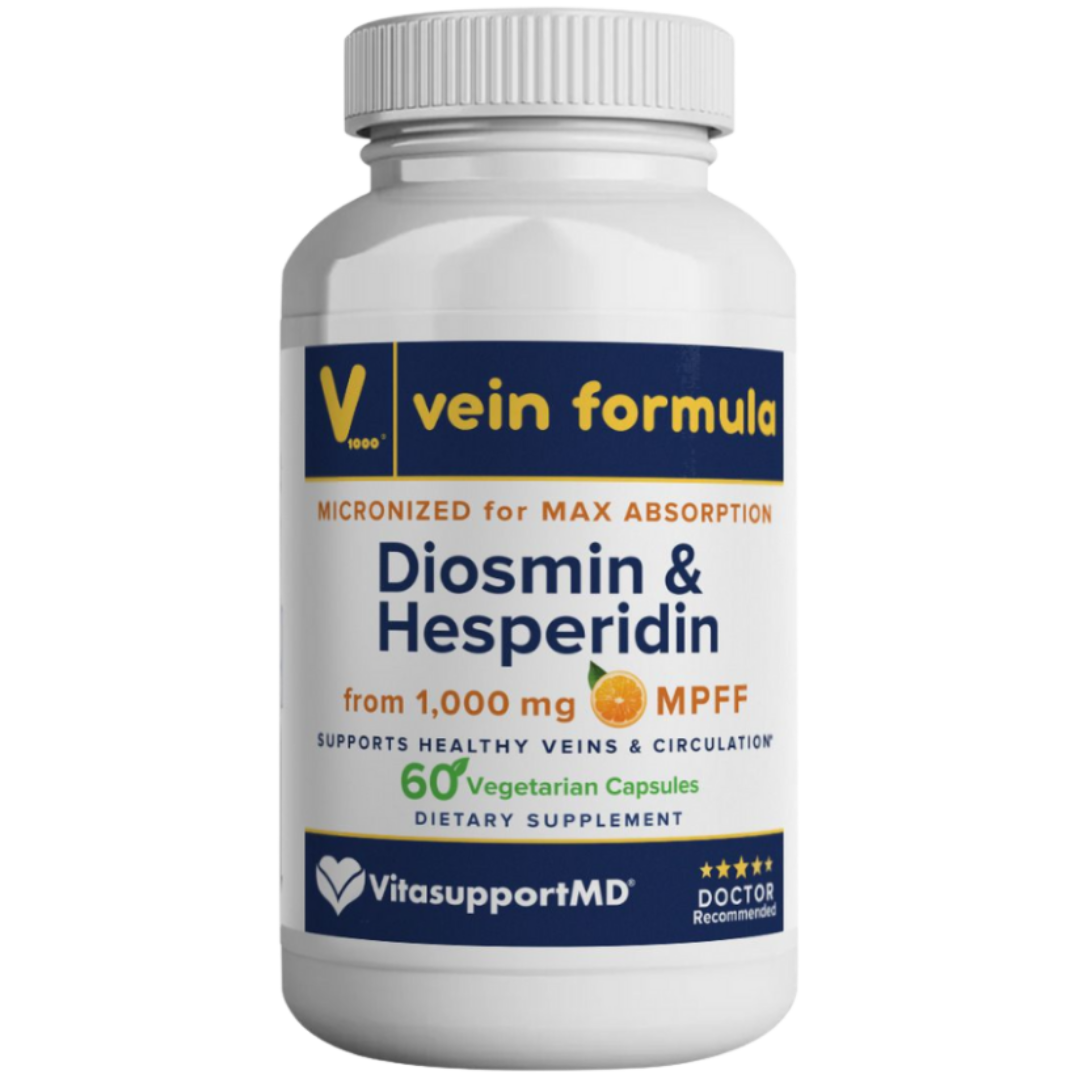
Supporting your veins before a trip helps prepare your body for long stretches of inactivity. VitasupportMD's Vein Formula provides 1000 mg of micronized purified flavonoid fraction (MPFF), a complex of micronized diosmin and hesperidin, per serving. These citrus-derived bioflavonoids have been studied for supporting healthy leg veins, vascular tone and circulation, including during periods of limited movement such as long travel days. If you travel often, a daily baseline of support is a reasonable long-term plan.
In Transit: Keep Moving
Small, regular movements make the biggest difference. If you can't leave your seat because the aisle is crowded or the next rest stop is far away, try these:
- Ankle circles. Lift one foot slightly and rotate your ankle slowly, 10 to 15 times in each direction, then switch feet.
- Seated calf raises. Keep the balls of your feet on the floor and lift your heels as high as you can, then lower with control. Repeat about 20 times. You can also lift your toes with your heels planted.
- Seated marching. Sit upright and lift your knees toward your chest one at a time, slowly. This keeps the large muscles of the thighs and hip flexors active.
Change position or do these exercises every 30 to 45 minutes. On a flight, walk up and down the aisle about every 45 minutes when it is safe to do so. In the car, plan a short rest stop every two hours to get out and walk for a few minutes. See also our guide to supporting leg circulation when sitting for long periods.
Posture and What You Wear
Avoid crossing your legs tightly, which can compress the vessels in the thighs and hips. Skip tight waistbands, restrictive jeans and socks with harsh elastic bands, which can create bottlenecks for blood flow. Loose, breathable layers are more comfortable.
Graduated compression socks are a widely used travel tip. They apply gentle pressure that is tightest at the ankle and decreases toward the calf, which helps your veins return blood to the heart. Ask a healthcare professional about the right strength and fit.
Stay Hydrated
Drink water steadily throughout your trip. Dehydration raises blood viscosity, which makes it harder for your vascular system to move blood efficiently, and dry cabin air speeds it up. Limiting heavy caffeine and alcohol helps, because both can add to fluid loss. Our article on hydration and circulation explains why.
Support Fluid Balance
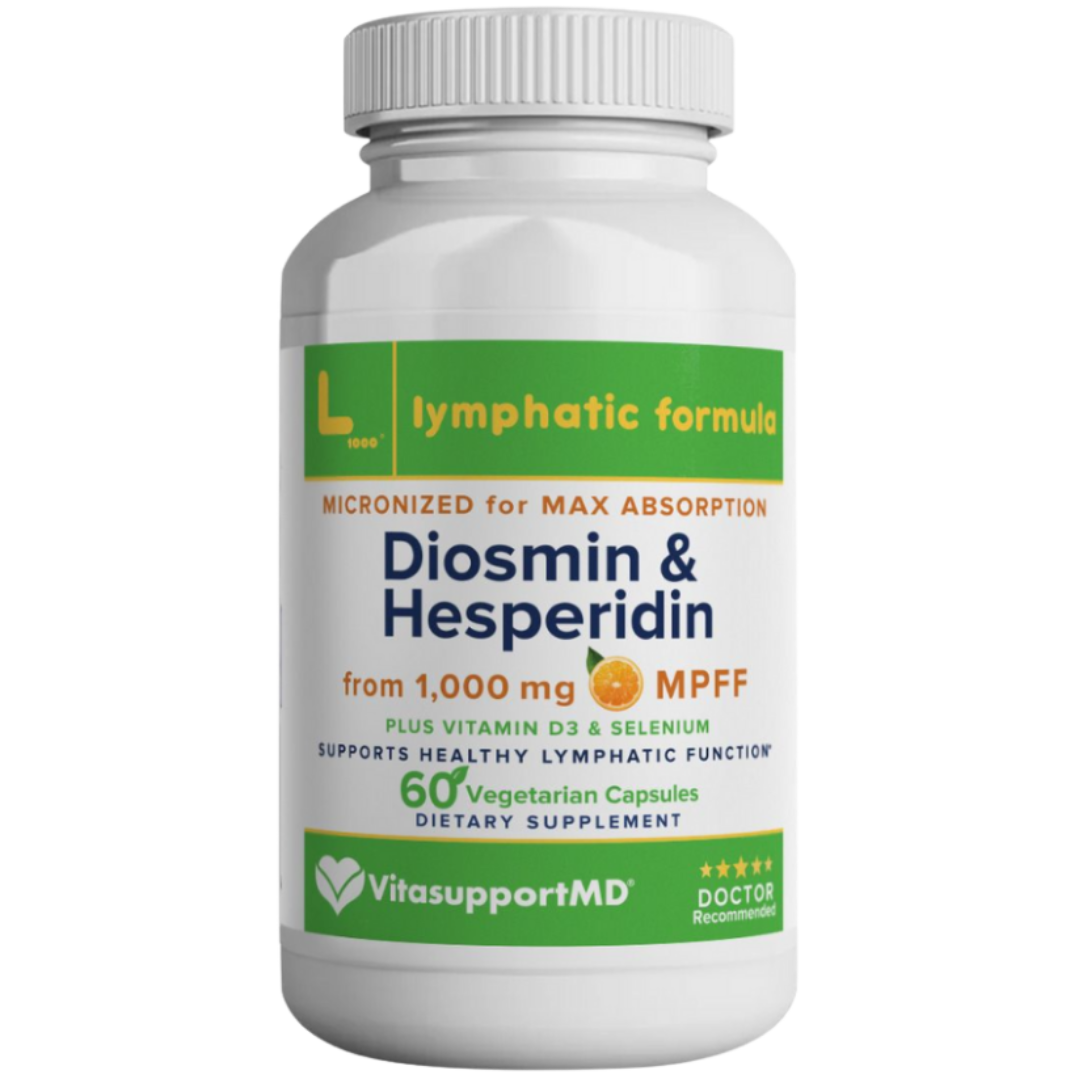
Travel can disrupt how your body manages fluids and leave you feeling puffy. The lymphatic system works alongside your veins to manage fluid levels and filter waste. VitasupportMD's Lymphatic Formula pairs 1000 mg of MPFF with Vitamin D3 and Selenium to support a healthy lymphatic system and normal fluid balance, which can be helpful when your routine is disrupted by long travel days.
Seated Pressure on Sensitive Areas
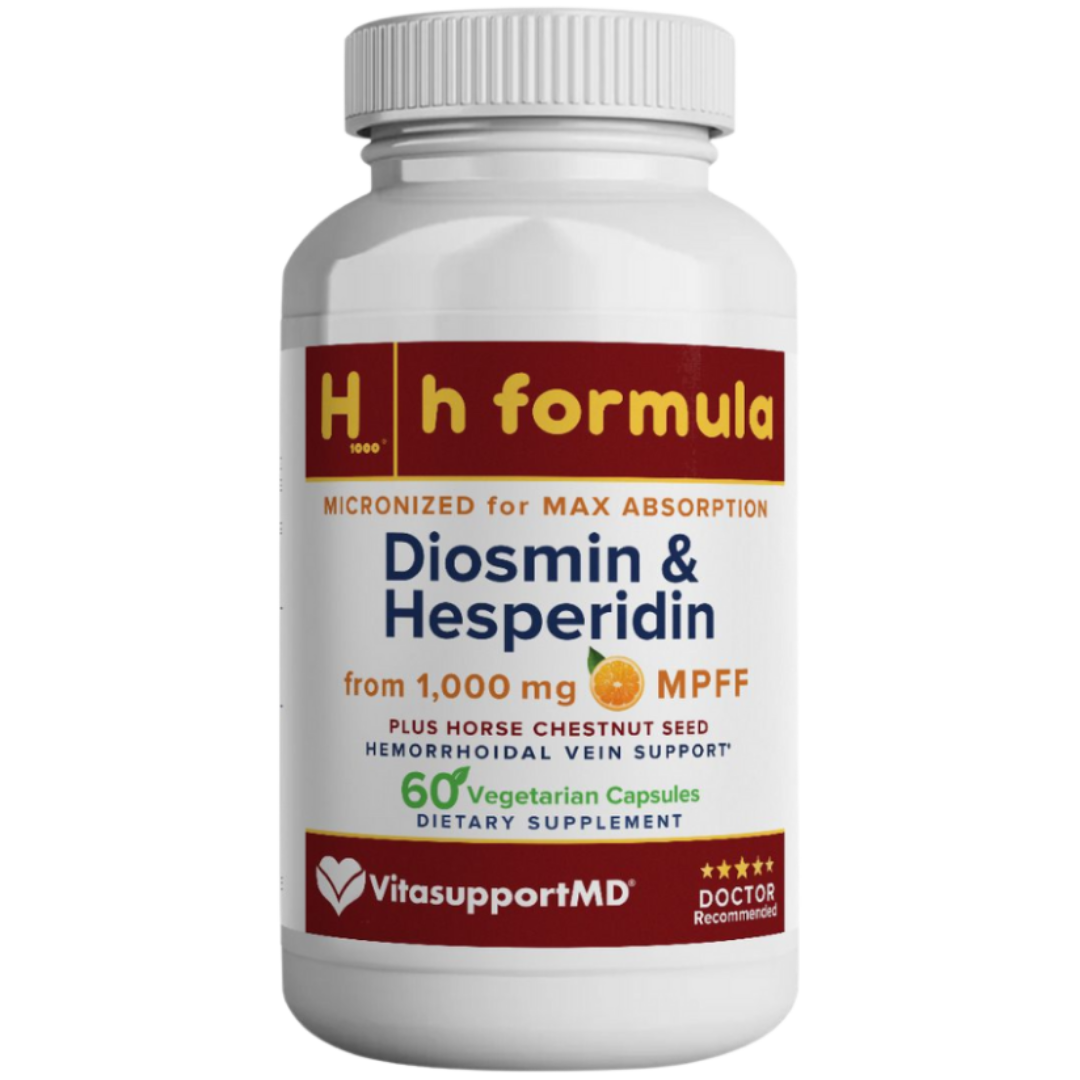
Eight to ten hours on a firm, cramped airplane or car seat also puts continuous pressure on the pelvic floor and lower rectum, and that can affect the hemorrhoidal veins. VitasupportMD's H Formula provides 1000 mg of MPFF and 300 mg of horse chestnut seed extract (60 mg of active aescin) per serving to support healthy hemorrhoidal veins and capillary strength, which can help you stay comfortable on long-haul flights.
After You Arrive
Your circulation plan doesn't end when the plane lands or the car parks. Take a short, brisk walk to reactivate your lower body muscles. When you check in, lie flat for 10 to 15 minutes with your legs above heart level on a few pillows. Gravity reduces the workload on your veins and helps fluid drain, so your legs feel refreshed and ready to explore.
When to See a Doctor
Long periods of sitting can raise the risk of blood clots in some people. If you have had clots, have a vein condition or other health concerns, talk to your doctor before a long trip. Get medical help promptly if you develop swelling, pain or redness in one leg, especially the calf, or if you have chest pain or shortness of breath during or after travel.
Related Articles
- Best supplements for leg circulation
- What makes legs feel heavy or tired
- How to support your lymphatic system
- How sleep quality can influence circulation
- How to get energy naturally
Frequently Asked Questions
Why does long-distance travel cause leg discomfort? Sitting for long periods reduces calf muscle contractions, which normally pump blood from the lower legs back to the heart. Blood and fluid can pool in the lower legs, which can cause heaviness or tightness.
How often should I move during a long flight or road trip? Change positions or do brief seated exercises every 30 to 45 minutes. On a flight, walk the aisle about every 45 minutes when you can. By car, stop for a short walk every two hours.
Can staying hydrated help my circulation while traveling? Yes. Good hydration helps maintain blood volume and normal viscosity so blood flows smoothly. Dry cabin air makes dehydration common, which can make blood thicker and slower.
Can compression socks help while I travel? Yes. Graduated compression socks apply gentle pressure that is tightest at the ankle and eases toward the calf. That supports the upward flow of blood and helps maintain comfort when you can't move much.
Should I elevate my legs after a long journey? Yes. Raising your legs above heart level for 10 to 15 minutes when you arrive uses gravity to support venous return and helps maintain normal fluid balance.
Can dietary supplements support my veins during a busy travel schedule? Citrus bioflavonoids can fit into a long-term travel wellness plan. Formulas with micronized purified flavonoid fraction (MPFF), such as VitasupportMD's, are often chosen to support healthy leg veins and steady circulation during long periods of sitting. They support healthy habits and don't replace movement. Check with a healthcare professional before starting a new supplement.


