




Sleep is essential for health, yet many people struggle to get the rest they need. Stress, diet and busy schedules usually get the blame for restless nights. Circulation is another factor that is often overlooked. Poor circulation can affect how well the body rests and recovers, and poor sleep can in turn affect circulation.
This article explains how circulation and sleep affect each other, what signs to watch for, why men in particular may notice the connection as they get older, and which habits support both.
The Connection Between Rest and Blood Flow
Blood circulation carries oxygen and nutrients to every part of the body and removes waste. It influences energy, cognitive function, immune performance and sleep quality.
Blood flow matters especially during sleep, when the body repairs tissue and recovers muscle. If circulation is compromised, these processes may be slowed, which can lead to poorer sleep. When blood flow to vital organs is reduced, the body may also struggle to settle into the deep, restorative stages of sleep that leave you refreshed in the morning.
How sleep habits affect vascular health
The relationship runs in both directions. During deep sleep, the heart rate slows and blood pressure drops, giving the cardiovascular system a chance to rest. When sleep is fragmented or too short, that recovery time is lost. A consistent sleep schedule helps regulate the internal clock and supports normal fluid balance in the body.
Stress and anxiety about sleep can make blood vessels constrict, which may affect circulation further. Chronic stress therefore feeds a cycle: stress affects circulation, poor circulation affects sleep, and poor sleep raises stress. Managing stress helps break it.
How Poor Circulation Can Disrupt Sleep
Less oxygen and nutrients for the brain
The brain uses about 20% of the body's oxygen and is sensitive to changes in blood flow. When circulation is impaired, the brain may not get enough oxygen and glucose, which can make it harder to fall asleep and stay asleep. Low oxygen levels may keep the brain from reaching deep sleep stages, which are crucial for physical and mental recovery, and can cause more frequent awakenings. The result is fragmented sleep and a feeling of being unrefreshed in the morning.
Leg discomfort at night
Many people with poor circulation in the legs notice tightness, discomfort or cramps at night. When blood flow to the lower limbs is reduced, muscles get less oxygen and fewer nutrients, and this is more noticeable when you lie still for hours. The discomfort makes it hard to find a comfortable position, so you toss and turn.
Raising your legs slightly during sleep may help, because gravity then assists the veins in returning blood toward the heart.
Heart function and interrupted sleep
Circulatory problems such as high blood pressure can affect heart rhythm. Some people wake up with a sensation of a rapid or irregular heartbeat, and a heart that has to work harder to keep blood moving can leave the body in a state of alertness that prevents deep sleep. If you wake with palpitations or an irregular heartbeat, see a doctor.
Poor recovery during sleep
Deep sleep is when the body repairs tissue, supports the immune system and recovers from daily stress, and all of that depends on good circulation. When circulation is poor, recovery suffers. People often wake up groggy or tired even after a full night in bed.
Signs That Circulation May Be Affecting Your Sleep
- Cold hands and feet
- Numbness or tingling in the limbs
- Leg cramps or discomfort at night
- Restless sleep and difficulty finding a comfortable position
- Waking up unrefreshed after enough time in bed
- A rapid or irregular heartbeat that wakes you
Why Men May Notice It More With Age
Both circulation and sleep change with age, and men often notice the link in midlife and later.
- Age-related changes. Blood vessels gradually lose elasticity, which makes it harder for blood to flow efficiently and can raise blood pressure. Hormonal changes with age may also affect cardiovascular health and sleep.
- A sedentary lifestyle. Long periods of sitting allow blood to pool in the legs, causing discomfort that can carry into the night. See our daily habits for men for more.
- Diet. Diets high in processed foods, unhealthy fats and sodium can contribute to poor circulation and may disrupt sleep.
- Stress. Chronic stress constricts blood vessels and raises blood pressure, which feeds the cycle described above.
Habits That Support Both Circulation and Sleep
Exercise regularly
Walking, swimming and cycling strengthen the heart and promote efficient blood flow, and regular activity generally improves sleep. Avoid vigorous exercise close to bedtime, which can make it harder to fall asleep. Our guide to exercise and vein function has more ideas.
Eat for your circulation
Antioxidant-rich foods such as berries and leafy greens support blood vessel health. Omega-3 fatty acids from fatty fish, walnuts and flaxseeds support cardiovascular health and have been linked to better sleep. Magnesium from nuts, seeds and whole grains supports both muscle relaxation and cardiovascular function. Limit processed foods, added sugar and sodium. See how diet impacts your circulatory system.
Stay hydrated
Dehydration makes blood thicker, so the circulatory system has to work harder to move it. Drinking enough water helps keep blood flowing smoothly.
Manage stress
Meditation, mindfulness and deep breathing activate the body's relaxation response and may support circulation while preparing you for sleep. Try them in the hour before bed.
Set up your sleep environment
Keep the bedroom cool, dark and quiet. Keep a consistent sleep schedule, and avoid large meals, caffeine and alcohol close to bedtime, since all three can disrupt sleep and may affect circulation overnight. If your feet are often cold in bed, read what cold feet might be telling you.
Targeted Nutritional Support
Food is the foundation, but some people add supplements for more targeted support.
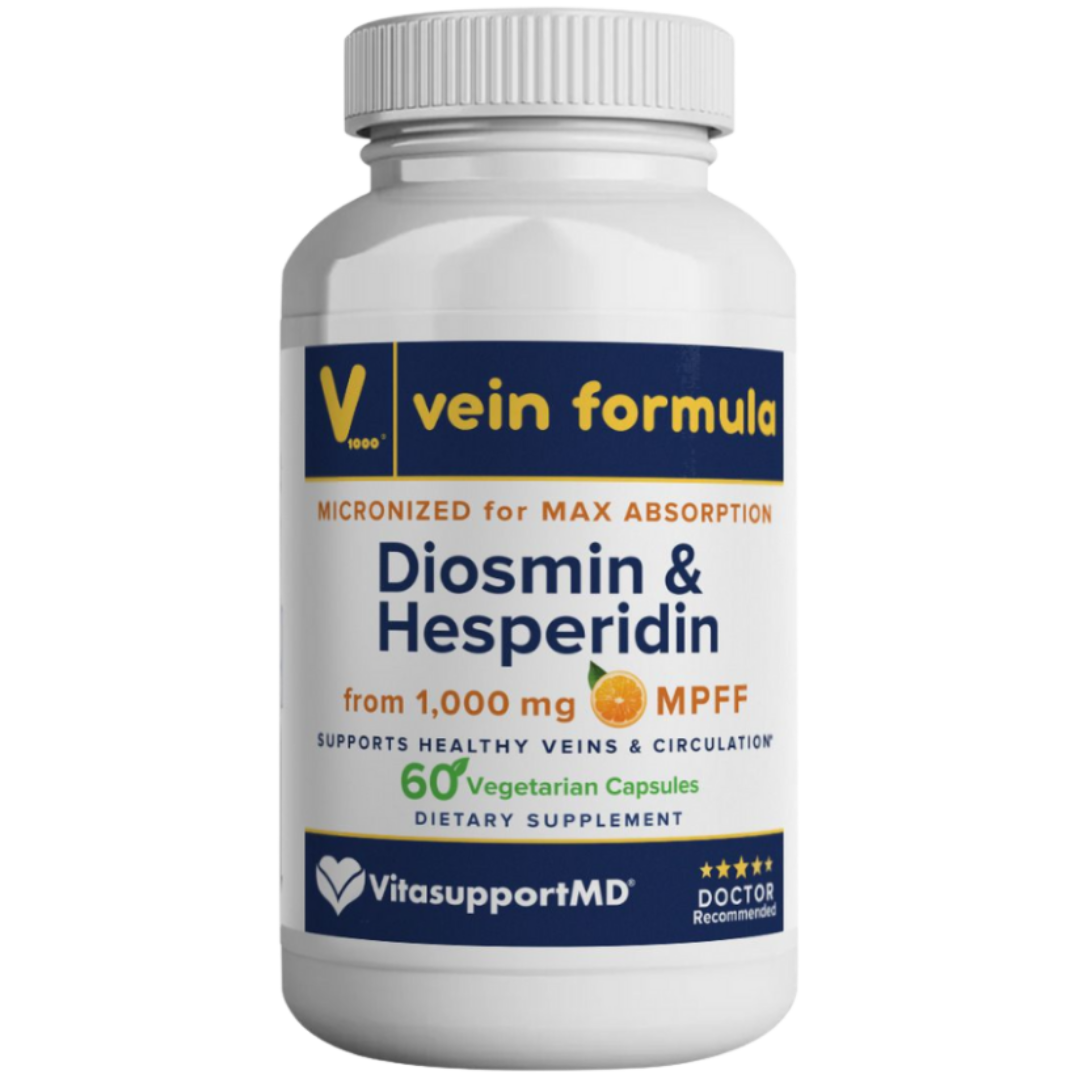
- VitasupportMD's Vein Formula provides 1000 mg of diosmin and hesperidin from micronized purified flavonoid fraction (MPFF) per serving. Decades of research show that these citrus-derived bioflavonoids support healthy vein function and circulation, which may contribute to comfort during the night.
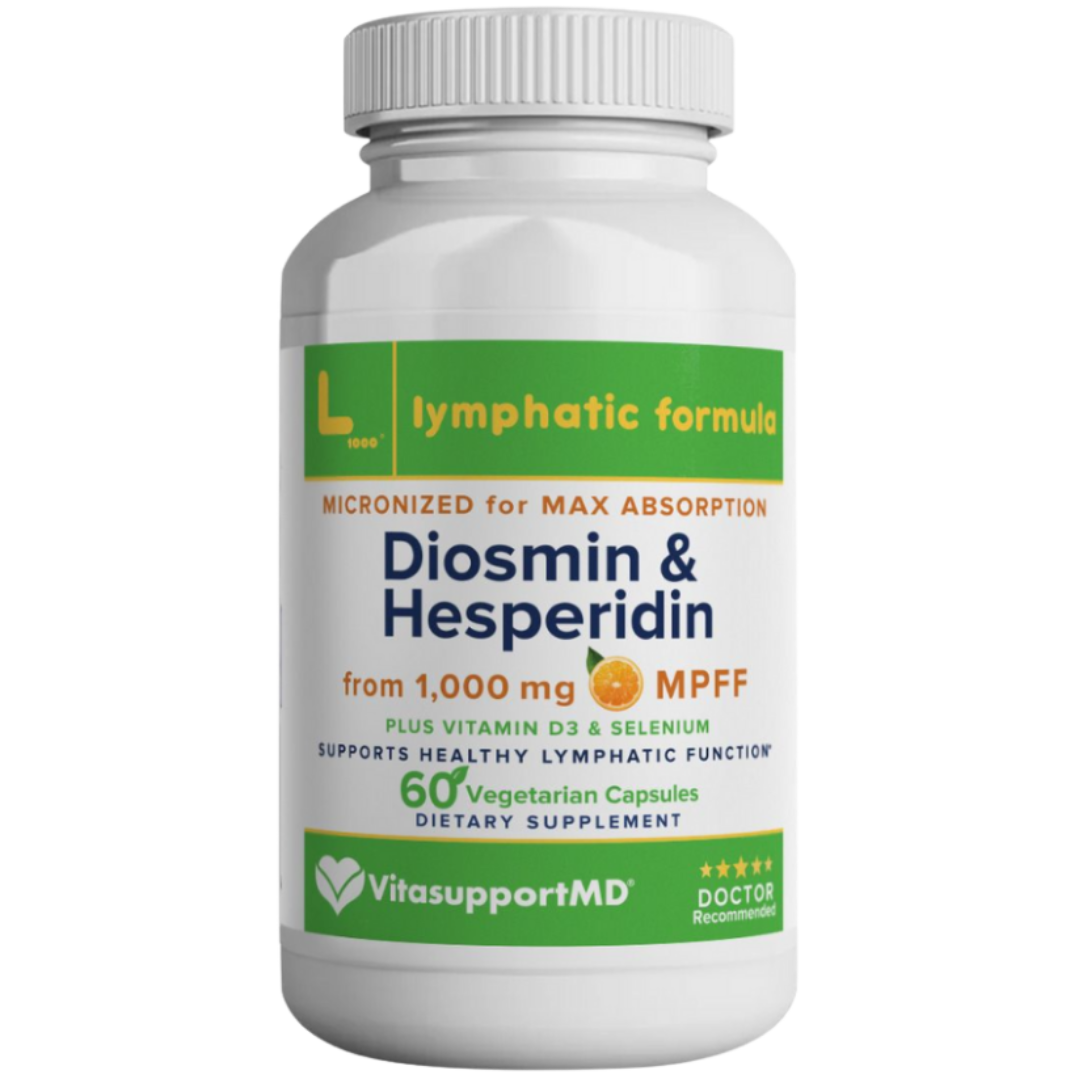
- VitasupportMD's Lymphatic Formula combines 1000 mg of MPFF with Vitamin D3 and Selenium to support lymphatic function and normal fluid balance, which affects how your legs feel.
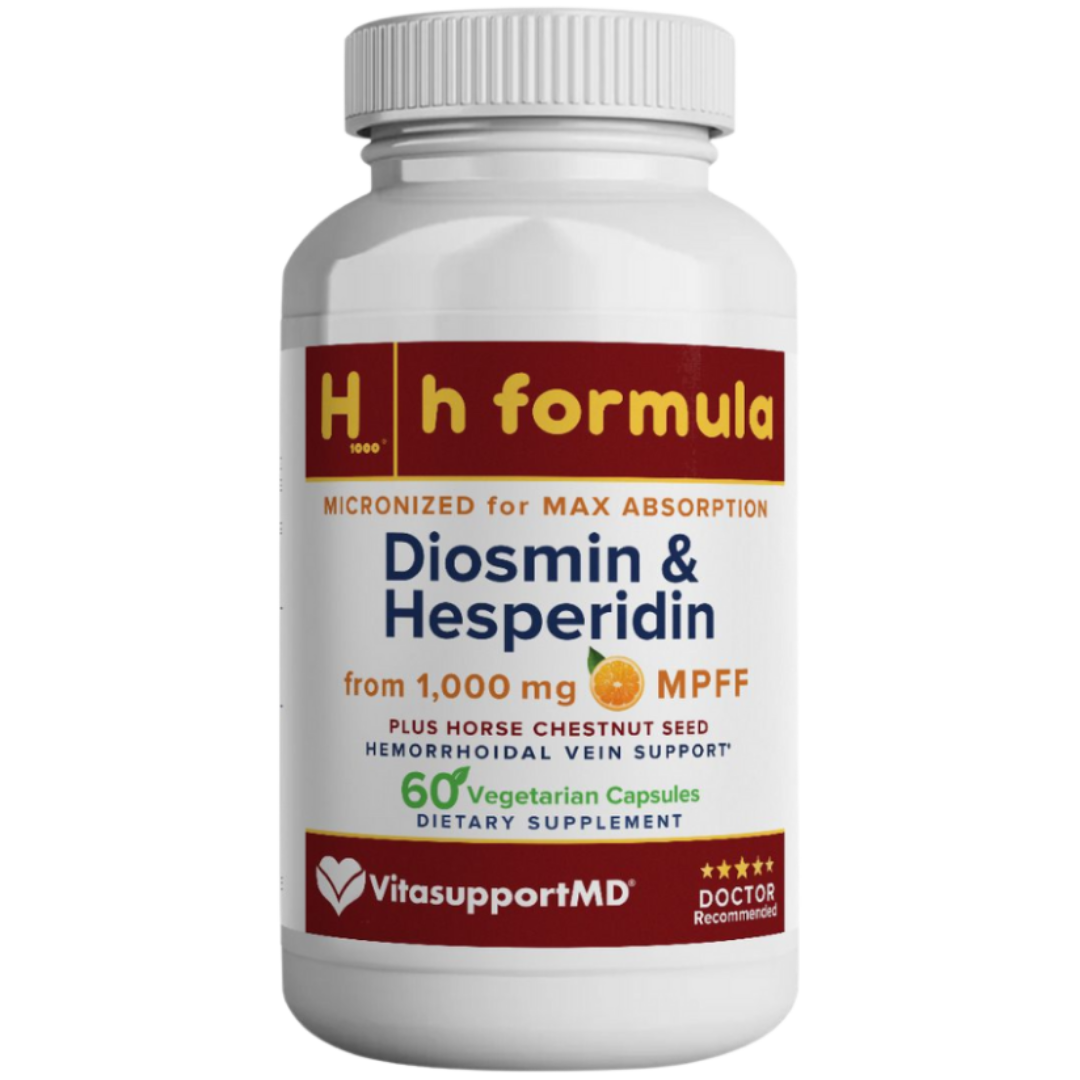
- Sitting for long hours at a desk or while traveling can put pressure on the hemorrhoidal veins and cause discomfort that lasts into the night. VitasupportMD's H Formula combines 1000 mg of MPFF with 300 mg of horse chestnut seed extract to support healthy hemorrhoidal veins and circulation.
Build a Consistent Routine
Small daily actions add up. Regular activity, a heart-healthy diet, stress management and good sleep habits support each other, and improvement in one area often helps the others. If poor sleep or nighttime leg symptoms persist, talk to a healthcare professional to find out what is behind them.
Related Articles
- How to get energy naturally
- How to support your lymphatic system
- Best supplements for leg circulation
- Cold weather and circulation
- Travel tips for healthy circulation
Frequently Asked Questions
Can poor circulation affect my ability to fall asleep? Yes. Poor circulation can contribute to sleep difficulties by causing physical discomfort and reducing oxygen delivery to the brain, which can make it harder to move into deep sleep.
Can poor circulation cause insomnia? It can contribute to it. Circulation problems alone may not cause chronic insomnia, but discomfort, reduced oxygen delivery to the brain and a heightened state of alertness can add to other sleep problems.
What are the signs that circulation might be affecting my sleep? Cold hands and feet, numbness or tingling in the limbs, leg cramps or discomfort at night, restless sleep and waking up unrefreshed after enough time in bed. Some people also notice an irregular heartbeat.
Does elevating my legs help? Yes. Raising your legs slightly during sleep may help support circulation, especially if you have leg discomfort, because gravity helps blood flow back toward the heart.
How does exercise help sleep and circulation? Regular activity strengthens the heart, improves blood vessel function and promotes efficient blood flow. It also helps reduce stress and regulate the body clock. Avoid vigorous exercise close to bedtime.
How does diet influence sleep and circulation? Processed foods, unhealthy fats and too much sugar or sodium can contribute to poor circulation and may disrupt sleep. A diet rich in omega-3s, antioxidants and magnesium supports blood vessel health and may improve sleep quality.
Is it safe to take circulation supplements every day? Most circulation supplements, such as those containing diosmin and hesperidin, are designed for daily use. Check with your physician before starting any supplement to make sure it suits your health needs.
es/


