




Water supports temperature regulation, nutrient delivery and many other essential functions. One area that often gets overlooked is how much it affects circulatory wellness.
Circulation is the movement of blood through arteries, veins and capillaries. It carries oxygen and nutrients to your tissues and takes waste away. Physical activity, posture and overall lifestyle all affect how well it works, and staying well hydrated helps support healthy blood flow and vascular function. This article explains how hydration and circulation interact, what happens when you are dehydrated, and which daily habits help.
How Hydration Supports Circulation
Blood volume and viscosity
Blood is largely plasma, and plasma is mostly water, so your hydration status affects both how much blood you have and how thick it is. When fluid levels drop, blood volume can decrease and the blood becomes more concentrated and viscous. Thicker blood moves more sluggishly and puts extra workload on the heart.
This matters most in the legs. Leg veins already work against gravity to return blood to the heart, and thicker blood makes that climb harder. Good hydration keeps blood at a consistency that flows easily, which reduces the effort needed to move it through the whole vascular network, from large arteries down to the smallest capillaries.
Heart function and fluid balance
The heart is a muscle, and it depends on fluid balance to work efficiently. Adequate fluid intake helps maintain electrolyte balance, which supports nerve signaling and muscle contraction, including the heart's rhythmic contractions.
Blood vessels and vasodilation
When you are adequately hydrated, blood vessels may respond more efficiently to changing demands. Vasodilation, the widening of blood vessels, helps blood flow more easily. Many factors influence this process, including mineral intake and physical activity, and hydration is one supportive factor.
Research on hydration and endothelial function, the inner lining of the blood vessels, is still developing, but staying well hydrated may help support it as part of an overall wellness routine.

Temperature regulation
Your circulation also acts as a thermostat. When you are hot, vessels near the skin widen to release heat, and that process needs enough fluid volume to spare. If you are dehydrated, the body prioritizes core function over cooling, which can lead to overheating and discomfort. Staying hydrated supports this natural cooling mechanism in warm weather and during exercise.
What Dehydration Does to Blood Flow
When fluid intake falls short, several things happen at once. Blood volume drops, viscosity rises, and the heart and vessels have to work harder to deliver oxygen and nutrients. Here is how that can show up in daily life.
- Mental clarity. The brain uses a large share of the body's oxygen and is sensitive to changes in blood flow. When dehydration slows circulation, you may notice a cloudy feeling, difficulty concentrating or an afternoon energy slump. Staying hydrated through the day helps support steady focus and energy.
- Heavy legs. For people who sit at a desk or stand all day, heavy legs are a common complaint, often linked to venous return, the process of blood moving back up the legs. When there is less fluid, blood is thicker and the return trip is slower, which can make legs feel heavy.
- Cold hands and feet. To protect your vital organs, the body may restrict blood flow to the extremities when fluid volume is low, so your hands and feet may feel colder.
- Lightheadedness when standing up quickly. Changes in blood volume can cause brief dizziness when you get up fast.
Signs Your Body May Need More Fluid
Hydration needs vary from person to person. Common signs that you may need more fluid include:
- Fatigue or mental fog
- Dark-colored urine or reduced urine output
- Dry mouth or lips
- Lightheadedness
- Cold hands and feet
- Muscle tightness or heaviness in the lower legs
Thirst is often a late signal, so it helps to sip steadily instead of waiting for it. These signs don't always mean dehydration on their own, but combined with more activity or warmer weather they suggest you need to drink more. If you feel dizzy or faint often, or notice swelling or heart symptoms, talk to a doctor.
Hydration and the Lymphatic System
Circulation includes the lymphatic network, which manages fluid levels in the tissues and supports immune function. Unlike the heart, it has no pump and relies on muscle movement and adequate hydration to keep lymph moving. Poor hydration may affect fluid balance in the tissues and contribute to fluid retention.
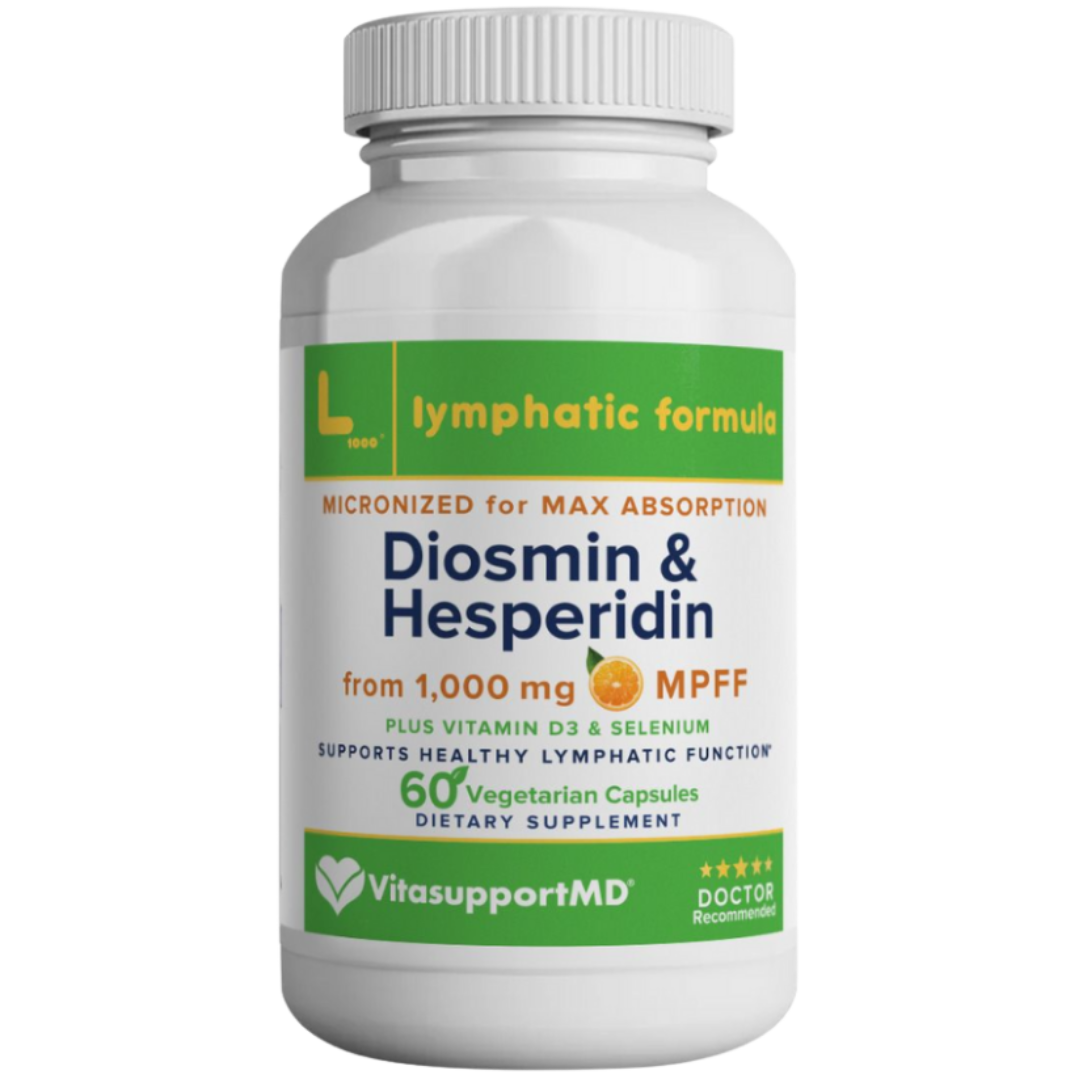
Supporting this system takes movement, water and specific nutrients. VitasupportMD's Lymphatic Formula combines diosmin and hesperidin from MPFF with Vitamin D3 and Selenium to support healthy lymphatic drainage and flow.
Supporting the Veins Alongside Hydration
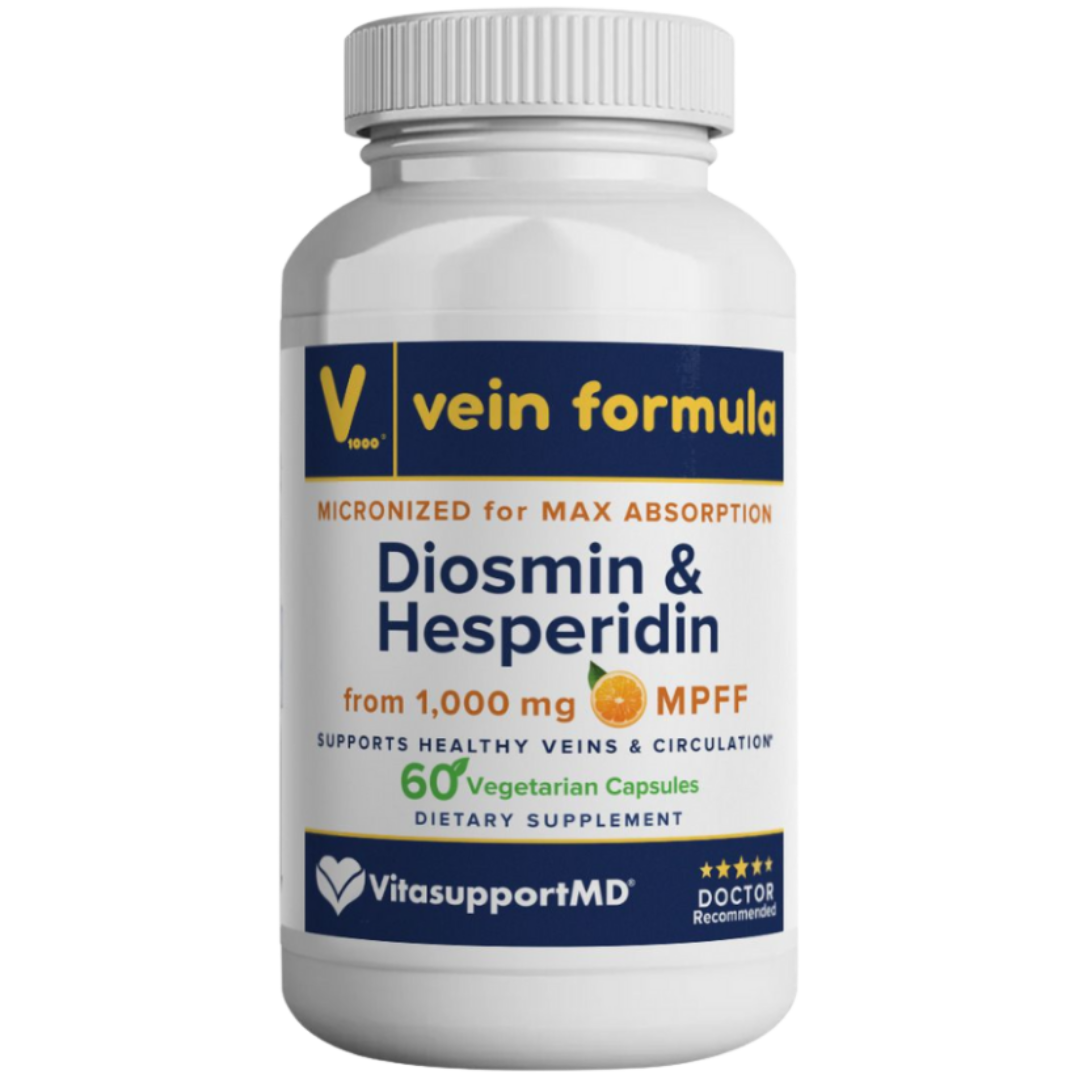
Water fills the vessels, and the vessel walls themselves also need to stay strong and elastic. Certain plant compounds support the tone of vein walls. VitasupportMD's Vein Formula provides 1000 mg of Micronized Purified Flavonoid Fraction (MPFF), a combination of diosmin and hesperidin. These bioflavonoids come from citrus rinds and are widely recognized for supporting healthy vein tone, which can help maintain comfort in the legs. For a broader look at options, see our guide to supplements for leg circulation.
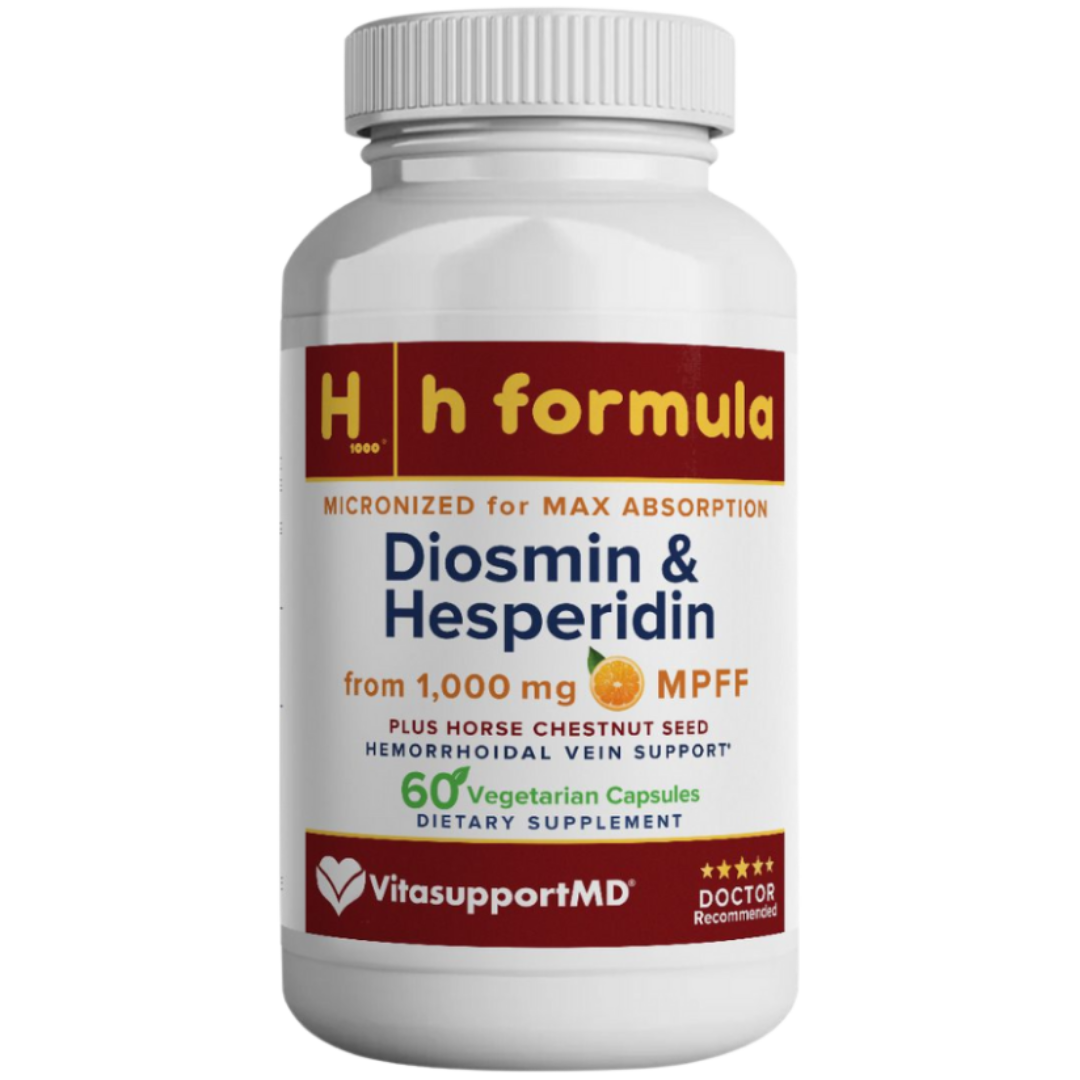
The veins in the lower rectum are also sensitive to pressure and hydration. Long hours of sitting and straining caused by low fluid intake can affect them. VitasupportMD's H Formula combines MPFF with horse chestnut seed extract to support the health of these veins and microcirculation in the area.

Electrolytes That Work With Water
Sodium, potassium and magnesium help regulate the movement of fluid in and out of cells and play a role in muscle contraction and nerve function. When hydration and electrolytes are in balance, the circulatory system may work more efficiently.
- Sodium supports fluid balance and nerve signaling.
- Potassium contributes to healthy muscle and heart function.
- Magnesium helps regulate blood vessel tone and nerve activity.
Water also helps transport nutrients. After digestion, nutrients travel through the bloodstream to your cells, and good hydration maintains the fluid environment that transport needs.
Practical Ways to Stay Hydrated
- Keep water within sight. A reusable bottle at your desk, in your car or at the gym is a constant reminder. Reminder apps help too.
- Sip on a schedule. Drink steadily through the day instead of waiting until you are thirsty.
- Eat water-rich foods. Cucumbers, oranges, watermelon, celery, strawberries and berries add to your daily total and provide antioxidants.
- Choose your drinks. Water should be the main source. Herbal teas, milk and coconut water also count. Watch the added sugar and sodium in packaged drinks.
- Link water to routines. Have a glass when you check your morning email or finish a phone call.
- Adjust to your environment. Hot or dry climates, indoor heating, air conditioning and high altitude can all increase how much you need.
What Changes How Much You Need
- Exercise. Activity increases blood flow and sweat loss, so drinking water before, during and after exercise helps maintain fluid balance.
- Age. Older adults may feel thirst less strongly and have a lower percentage of body water, which makes drinking proactively more important.
- Winter. Cold weather can reduce the urge to drink even though you still lose moisture through breathing and heating. Warm drinks such as herbal tea help, and our cold weather circulation guide has more.
- Summer. Heat and sweating raise your needs, and outdoor activity may call for electrolytes as well as water.
When to Prioritize Hydration
Morning. After a night's sleep the body is slightly dehydrated, so a glass of water on waking helps replenish fluids and supports physical and cognitive function.
With meals. Water around mealtimes may support digestion and satiety.
Evening. Avoid drinking large amounts right before bed. If you hydrate well during the day, you are less likely to be thirsty at night or have sleep interrupted by fluid imbalance.
Caffeine and Alcohol
Moderate caffeine from coffee or tea may not significantly dehydrate people who consume it regularly. Even so, replacing some caffeinated drinks with water gives you a more balanced routine.
Alcohol has a diuretic effect and increases fluid loss. If you drink, alternate with water and keep an eye on the total.
Pair Water With Movement
Water works best together with movement. Even when you are well hydrated, sitting for hours lets blood pool in the lower legs.
- Move every 45 to 60 minutes. Stand, stretch or do ankle circles to activate the calf muscle pump.
- Elevate your legs. A few minutes with your legs above heart level at the end of the day supports venous return.
- Consider compression. Graduated compression socks apply gentle pressure at the ankle and may support comfort and flow during long periods of sitting or travel.
- Eat for your veins. Berries, nuts and leafy greens provide antioxidants and healthy fats.
Final Thoughts
Hydration supports circulation by helping maintain blood volume, vessel flexibility and nutrient transport. Consistent hydration habits, water-rich foods and an understanding of what changes your fluid needs add up over time. Hydration alone doesn't solve circulatory problems, but it is an important part of a wellness-focused lifestyle. If you have persistent symptoms such as leg swelling, dizziness or cold extremities, talk to a healthcare professional.
Related Articles
- How to support your lymphatic system
- How diet impacts your circulatory system
- What makes legs feel heavy or tired
- How sleep quality can influence circulation
- Travel tips for healthy circulation
Frequently Asked Questions
How much water should I drink to support circulation? There is no universal answer, because needs vary with age, body size, activity and environment. A common guideline is about 8 cups (64 ounces) a day, and some people need more. Thirst and urine color are practical indicators.
Can dehydration affect blood flow? Yes. Dehydration may reduce blood volume and raise viscosity, which can change how efficiently blood moves through the circulatory system. Staying hydrated helps the body maintain more consistent circulation.
Can hydration help with heavy legs after a long day? Maintaining adequate fluid levels supports leg comfort. When blood volume is low, returning blood from the legs against gravity becomes less efficient, which can contribute to heaviness or fatigue. Combined with movement and leg elevation, good hydration may help your legs feel more refreshed.
Can drinking water help with cold hands and feet? It may. When you are dehydrated, blood volume drops and blood becomes more viscous, and the body may restrict flow to the extremities to protect vital organs. Good hydration supports more efficient flow to your hands and feet.
Does the lymphatic system need hydration too? Yes. The lymphatic system manages fluid balance and has no central pump like the heart, so it relies on movement and hydration. Poor hydration may contribute to fluid retention.
Do tea and coffee count toward my hydration? Herbal tea counts. Coffee and caffeinated tea can also contribute for people who drink them regularly, though high caffeine intake can have a mild diuretic effect in some people. Plain or naturally flavored water is best as your main source.
What are the best fluids for hydration? Plain water is ideal for most people. Herbal teas, milk and electrolyte drinks with little added sugar are also good choices, and many fruits and vegetables add water.
Does staying hydrated help my energy levels? Hydration supports metabolic function, including energy transport. Mild dehydration may contribute to fatigue or reduced mental clarity, so maintaining fluid balance supports daily energy.
How can I tell if I'm well hydrated? Pale yellow or clear urine, regular urination and little thirst are general indicators. Needs vary through the day with activity and temperature.
How soon will I notice a difference if I drink more? It varies. Many people notice better energy and mental clarity within a few days of consistent hydration. The more lasting benefit for your veins comes from keeping the habit up over time.
Are there nutrients that work alongside hydration to support my veins? Yes. Plant bioflavonoids such as diosmin and hesperidin have been studied for their ability to support the tone and strength of vein walls and can complement good hydration habits. Minerals such as potassium and magnesium also play a role.


