




Travel Tips for Healthy Circulation: From Economy Class to Arrival
Long-distance travel brings the excitement of exploring new destinations, reconnecting with loved ones, and stepping away from daily routines. However, whether you are flying across oceans in an economy cabin or navigating a multi-hour road trip, extended transit poses unique challenges for your lower body. Spending hours in a confined seat with limited space for movement can take a temporary toll on leg comfort and normal blood flow.
Preparing for a journey involves more than just packing a suitcase and double-checking your itinerary; it requires a proactive plan to support healthy blood flow from the moment you depart until you safely arrive. By understanding how prolonged sitting impacts your body and adopting practical, human-centered habits, you can protect your comfort and maintain your vitality throughout your next adventure.
How Prolonged Travel Challenges Leg Comfort
When you are seated for long periods, your lower extremities remain relatively motionless. Under ordinary circumstances, walking and shifting positions engage the calf muscles, which act as a natural pump to propel blood upward against the pull of gravity. During extended travel, this muscular assistance drops significantly, allowing fluid to accumulate in the lower legs and feet.
Supporting your vascular wellness from the inside out before you even step onto an airplane or push start on your car can help prepare your body for the physical demands of travel. Incorporating targeted bioflavonoids into your routine is an excellent way to maintain optimal vein integrity during long stretches of inactivity.
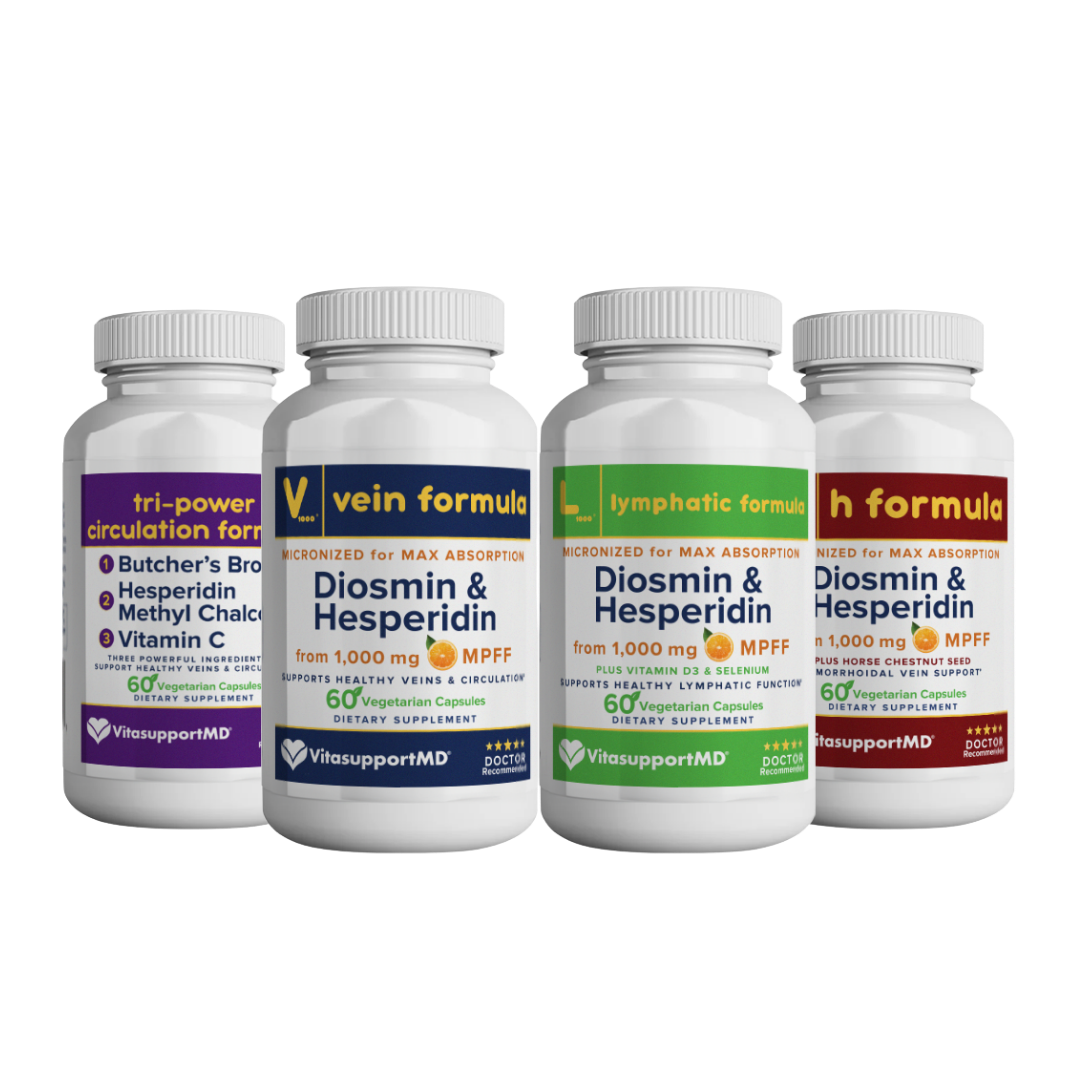
For instance, VitasupportMD's Vein Formula provides 1000 mg of micronized purified flavonoid fraction (MPFF), a complex of micronized bioflavonoids including diosmin and hesperidin, per serving. These naturally derived citrus bioflavonoids have been clinically researched for their ability to support healthy leg veins, promote vascular tone, and encourage healthy circulation as part of a daily wellness routine, including during periods of limited movement such as long travel days.
Actionable Steps for In-Transit Support
To maintain your physical comfort while in the air or on the highway, incorporating consistent micro-movements into your travel schedule is essential. Modifying your posture and avoiding habits like tightly crossing your legs can help prevent the compression of blood vessels in the thighs and hips, allowing blood to move more freely.
Discretely Moving in Your Seat
When leaving your seat is difficult due to a crowded aisle or a long stretch of highway between rest stops, several simple exercises can be performed directly from a seated position to encourage circulation:
-
Ankle Circles: Lift one foot slightly off the floor and rotate your ankle slowly in a circular motion. Complete 10 to 15 rotations in one direction, then switch directions before repeating the process with the other foot to stimulate local blood flow.
-
Seated Calf Raises: Keep the balls of your feet firmly planted on the floor and lift your heels as high as possible to contract the calf muscles. Lower your heels with control and repeat 20 times to activate the lower leg muscle pump.
-
Seated Marching: Sit upright and alternately lift your knees toward the chest in a slow, deliberate rhythm. This activity engages the hip flexors and thighs, keeping the large muscle groups of the lower body active.
Strategic Hydration and Wardrobe Adjustments
The air inside commercial airplane cabins is notoriously dry, which can accelerate dehydration if you are not careful. When the body experiences a shortage of fluids, blood viscosity can rise, making it more difficult for the vascular network to transport blood efficiently. To promote smooth, unhindered flow, make a conscious effort to drink water consistently throughout your trip. It is equally helpful to limit beverages that can exacerbate dehydration, such as excessive caffeine or alcohol.
For travelers who want to support both normal fluid retention and overall circulation, VitasupportMD's Lymphatic Formula provides a highly specialized option. This premium formulation pairs 1000 mg of MPFF per serving with Vitamin D3 and Selenium to support a healthy lymphatic system and promote lymphatic drainage, encouraging normal fluid balanced during travel.
Your wardrobe choices also play a central role in your comfort journey. Avoid tight waistbands, restrictive denim, or socks with harsh elastic bands that can create physical bottlenecks for blood flow. Instead, choose loose, breathable layers and consider wearing high-quality graduated compression socks. These specialized garments apply a gentle, decreasing pressure from the ankle up to the calf, assisting your veins in moving blood back toward the heart.
Managing Seated Pressure on Sensitive Areas
Spending eight to ten hours resting on a firm, cramped airplane or automotive seat does more than impact the lower legs; it also exerts continuous physical pressure on the pelvic floor and lower rectum. This sustained pressure can impact the hemorrhoidal veins.
To address this aspect of travel, VitasupportMD's H Formula delivers per serving an evidence-based blend of 1000 mg of MPFF combined with 300 mg of horse chestnut seed extract (providing) 60 mg of active aescin). This precise combination works from within to support healthy hemorrhoidal veins and protect capillary strength, helping you maintain complete seating comfort even during long-haul international flights.
Post-Arrival Recovery Protocols
Your circulation strategy should not conclude the moment the plane touches down or the car parks. Once you arrive at your destination, prioritize a short, brisk walk to fully reactivate your lower body muscles and encourage blood flow.
When you check into your accommodations, take 10 to 15 minutes to lie flat and elevate your legs above the level of your heart using a few pillows. This simple practice utilizes gravity to reduce the workload on your veins, assisting with fluid drainage and leaving your legs feeling refreshed, energized, and ready to enjoy your journey.
Frequently Asked Questions
Why does long-distance travel cause leg discomfort? Prolonged sitting minimizes the contraction of the calf muscles, which normally act as a natural pump to return blood from the lower extremities back to the heart. Without this regular movement, blood and fluid can pool in the lower legs, which can result in a sensation of heaviness or tightness.
How often should I move during a long flight or road trip? It is generally supportive to change positions or perform brief in-seat exercises every 30 to 45 minutes. If you are traveling by car, planning a short rest stop every two hours to walk around for a few minutes can help activate your muscles and support healthy blood flow.
Can staying hydrated assist with circulation while traveling? Yes. Adequate hydration helps maintain optimal blood volume and normal viscosity, allowing blood to flow smoothly through the vessels. Dehydration, which is common due to dry airplane cabin air, can cause blood to become thicker and move more slowly.
Should I elevate my legs after a long journey? Elevating your legs above heart level for 10 to 15 minutes upon arrival is a highly effective way to utilize gravity to support venous return. This simple habit encourages deep relaxation and helps maintain a normal fluid balance in your legs.
Can dietary supplements support my veins during a busy travel schedule? Specialized citrus-derived bioflavonoids can fit naturally into a long-term travel wellness plan. Formulations containing micronized purified flavonoid fractions (MPFF), such as VitasupportMD's supplements, are frequently selected by individuals looking to support healthy leg veins and encourage steady circulation during extended periods of sitting.
es/


