




Healthy blood flow in the legs supports comfort, mobility and energy. That is true whether you stand all day, sit at a desk or stay active. Diet, movement and hydration are the foundation, and some people add dietary supplements for extra support. This guide covers the ingredients most often used in leg circulation supplements, how to choose a good product, how stress affects your veins and which daily habits make supplements work better.
Supplements are not a substitute for medical care or healthy habits, and no supplement can cure or treat a vein condition. Used alongside a healthy lifestyle, certain ingredients may help support healthy leg veins.
Understanding Leg Circulation
Your heart sends oxygen-rich blood to your legs, and the leg veins have to return it to the heart against gravity. This depends on muscle movement, especially the calf muscle pump, and on healthy vein walls and valves. Age, activity level, hormones, genetics, hydration and long periods of sitting or standing all affect how well it works.
Healthy leg circulation supports comfort and mobility and may help reduce feelings of heaviness or occasional swelling after long periods on your feet or at a desk.
How Stress Affects Your Veins
Stress triggers a physical response as well as a mental one. When cortisol and adrenaline rise, blood vessels constrict, heart rate and blood pressure increase, blood sugar can change, and muscles tense and restrict movement. Over time this can add strain to the leg veins, and the inactivity that often comes with stress reduces blood flow to the lower limbs.
Chronic stress also tends to bring habits that affect circulation: a poor diet, less movement, less sleep, more caffeine and, for some people, smoking. Managing stress with deep breathing, meditation and gentle stretching supports a more balanced cardiovascular response. Stress alone may not cause circulation problems, but it contributes to factors that influence blood flow.
Key Ingredients in Leg Circulation Supplements
These ingredients have been studied for their potential to support leg circulation and vascular health.
Diosmin and hesperidin (MPFF)
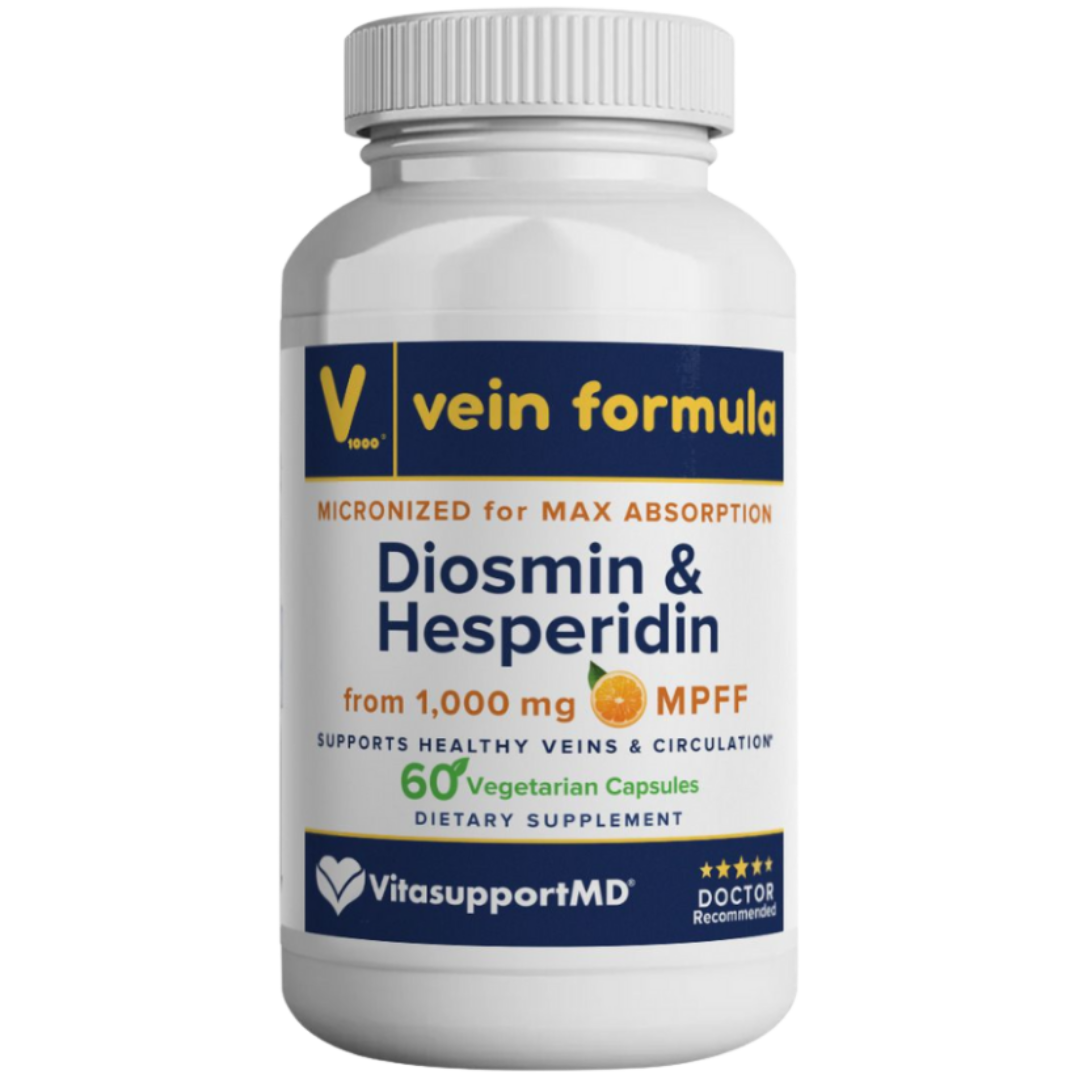
Micronized Purified Flavonoid Fraction (MPFF) combines two citrus-derived flavonoids, diosmin and hesperidin. Research suggests MPFF may help support normal venous tone and healthy capillary permeability. Micronization reduces the particle size for better absorption, and MPFF is widely used in vein health formulas in Europe and the United States. These citrus bioflavonoids support the walls of blood vessels so they stay flexible and efficient at moving blood.
VitasupportMD's Vein Formula provides 1000 mg of MPFF per serving.
Horse chestnut seed extract
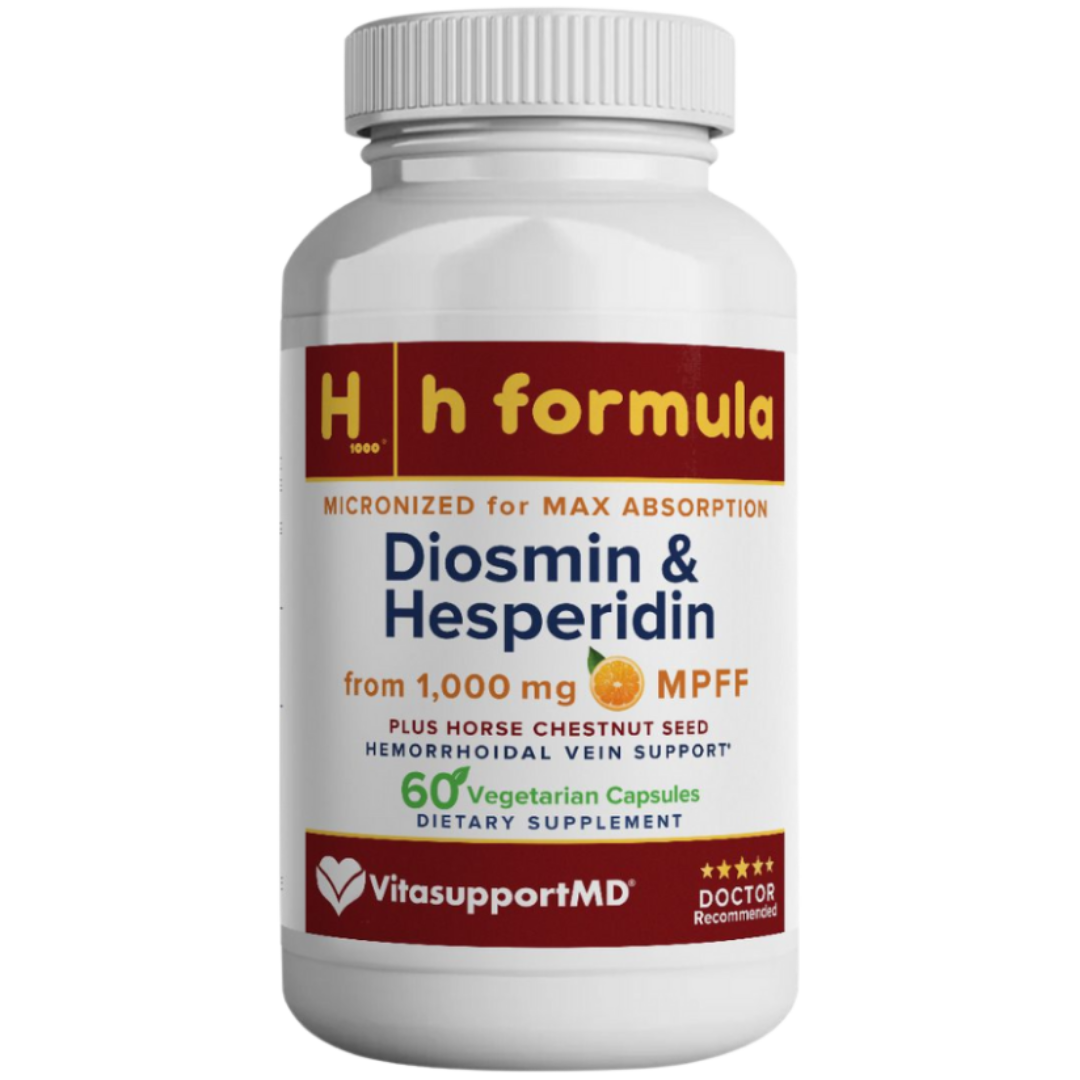
Horse chestnut seed extract (Aesculus hippocastanum) is one of the most commonly used herbal ingredients for leg circulation. Its active compound, aescin, has been studied for its role in supporting vein tone, vascular integrity and fluid balance in the legs. That can matter for people who stand or sit for long periods. If you choose a horse chestnut product, look for a standardized aescin content. It is sold as capsules and as topical creams.
VitasupportMD's H Formula combines MPFF with horse chestnut seed extract.
Butcher's broom
Butcher's broom (Ruscus aculeatus) is a traditional herb whose compounds, including ruscogenins, are believed to support venous circulation, vascular tone and normal fluid balance in the lower limbs. It is often included in combination formulas for leg veins. More research is needed to fully understand its effects. VitasupportMD's Tri-Power Circulation Formula combines Butcher's Broom extract, Hesperidin Methyl Chalcone and Vitamin C.
Grape seed extract
Grape seed extract is rich in oligomeric proanthocyanidin complexes (OPCs), antioxidants studied for their vascular benefits. OPCs may help maintain blood vessel flexibility and reduce oxidative stress, and they may protect the endothelial cells that line the vessels. Look for products standardized to a high percentage of OPCs.
Gotu kola
Gotu kola (Centella asiatica) is a plant extract used in traditional wellness systems to support connective tissue and vascular function. Some studies suggest it may support capillary health and leg comfort.
Vitamins C and E and other bioflavonoids
Bioflavonoids such as rutin, quercetin and citrus flavonoids are plant compounds that may support vascular resilience by helping the body manage oxidative stress. Vitamin C supports collagen production and the strength of vessel walls. Vitamin E is a fat-soluble antioxidant that helps neutralize free radicals and supports the health of blood vessels. Good food sources include citrus, berries, almonds, sunflower seeds and leafy greens.
Omega-3 fatty acids
Omega-3s from fish oil, flaxseed oil and algae are well known for supporting heart and circulation health. They have anti-inflammatory properties and may support blood vessel flexibility. If you take a supplement, look for one with a high EPA and DHA content.
Other nutrients used for circulation support
Several other ingredients are traditionally used for circulation comfort. B vitamins (B6, B9 and B12) help the body process amino acids and keep homocysteine in balance. Garlic and turmeric (through its active compound curcumin) have a long history in wellness practices. Beetroot is rich in natural nitrates that the body uses to make nitric oxide, a compound that helps blood vessels stay relaxed and open, and it is popular with athletes.
How These Ingredients Can Work Together
Many formulas combine ingredients that support different parts of the venous system: MPFF for vein tone and capillary health, horse chestnut and butcher's broom for fluid balance and vessel structure, and antioxidants for oxidative stress. Combined, they may support normal blood flow in the lower body. Individual results vary, and most people notice changes only after weeks of consistent use.
How to Choose a Leg Circulation Supplement
Not all vein health supplements are the same. Here is what to look for:
- Studied ingredients. Look for ingredients with research behind them for leg vein health, especially MPFF and other well-documented flavonoids. Our guide on how to choose a vein support supplement goes deeper.
- Standardized extracts. Plant ingredients should state their active content, such as the aescin in horse chestnut or the OPCs in grape seed.
- Manufacturing standards. Products made in cGMP-compliant, NSF-certified and FDA-registered facilities follow stricter quality and safety protocols.
- Transparency and testing. A clear label, honest sourcing and third-party testing are good signs.
- Professional input. Some formulas are developed by or recommended by healthcare professionals. This doesn't replace your own doctor's advice, but it can add confidence.
- Patience. Supplements usually need consistent daily use for several weeks or months before you notice a difference.
Using Supplements Safely
- Follow the serving instructions on the label.
- Check for interactions if you take medications. Garlic, vitamin E, omega-3s, horse chestnut and grape seed may affect blood clotting, so talk to your doctor before using them if you take blood thinners or have a bleeding condition.
- Ask a healthcare professional first if you are pregnant, breastfeeding or managing a health condition.
- Pay attention to how your body responds and adjust with guidance if needed.
Lifestyle Habits That Support Your Supplements
Supplements work best on top of daily habits.
Move regularly
The calf muscle pump pushes blood back toward the heart, so walking, swimming, cycling and yoga all help. Aim for about 30 minutes of moderate activity on most days. Between workouts, try these:
- Ankle pumps. Flex and point your toes while seated.
- Heel-to-toe walks. Strengthen your lower leg muscles with mindful steps.
- Leg elevation. Raise your legs above heart level now and then to help blood return.
If you work at a desk or stand for long periods, take a break every hour to stretch and walk. See also our guide to exercise and vein function.
Drink enough water
Dehydration makes blood thicker and harder to circulate. Aim for about eight cups of water a day and see how hydration affects circulation. Carry a refillable bottle and add lemon or cucumber if plain water feels dull.
Eat for your veins
Fruits, vegetables, whole grains, lean proteins and healthy fats support vascular health. Berries provide bioflavonoids, leafy greens provide magnesium and antioxidants, and citrus fruits provide vitamin C.
Wear comfortable clothing and consider compression
Tight clothing or shoes can affect circulation in the legs when worn for long periods. Supportive footwear helps. Compression socks or stockings give gentle external support during travel, long shifts and sedentary periods. Ask a healthcare professional about the right type for you.
Manage stress and sleep
Deep breathing, meditation and mindful stretching help reduce the physical effects of stress. Enough sleep and avoiding smoking and excess caffeine support circulation too.
Conclusion
Leg circulation depends on movement, hydration, diet and stress management, and supplements can add support when you choose them carefully. Ingredients such as MPFF, horse chestnut, butcher's broom, grape seed and gotu kola may help support healthy leg veins. Look for studied ingredients and good manufacturing standards, use them consistently, and talk to a healthcare professional before starting something new.
Related Articles
- Diosmin and hesperidin for hemorrhoid and leg vein health
- What makes legs feel heavy or tired
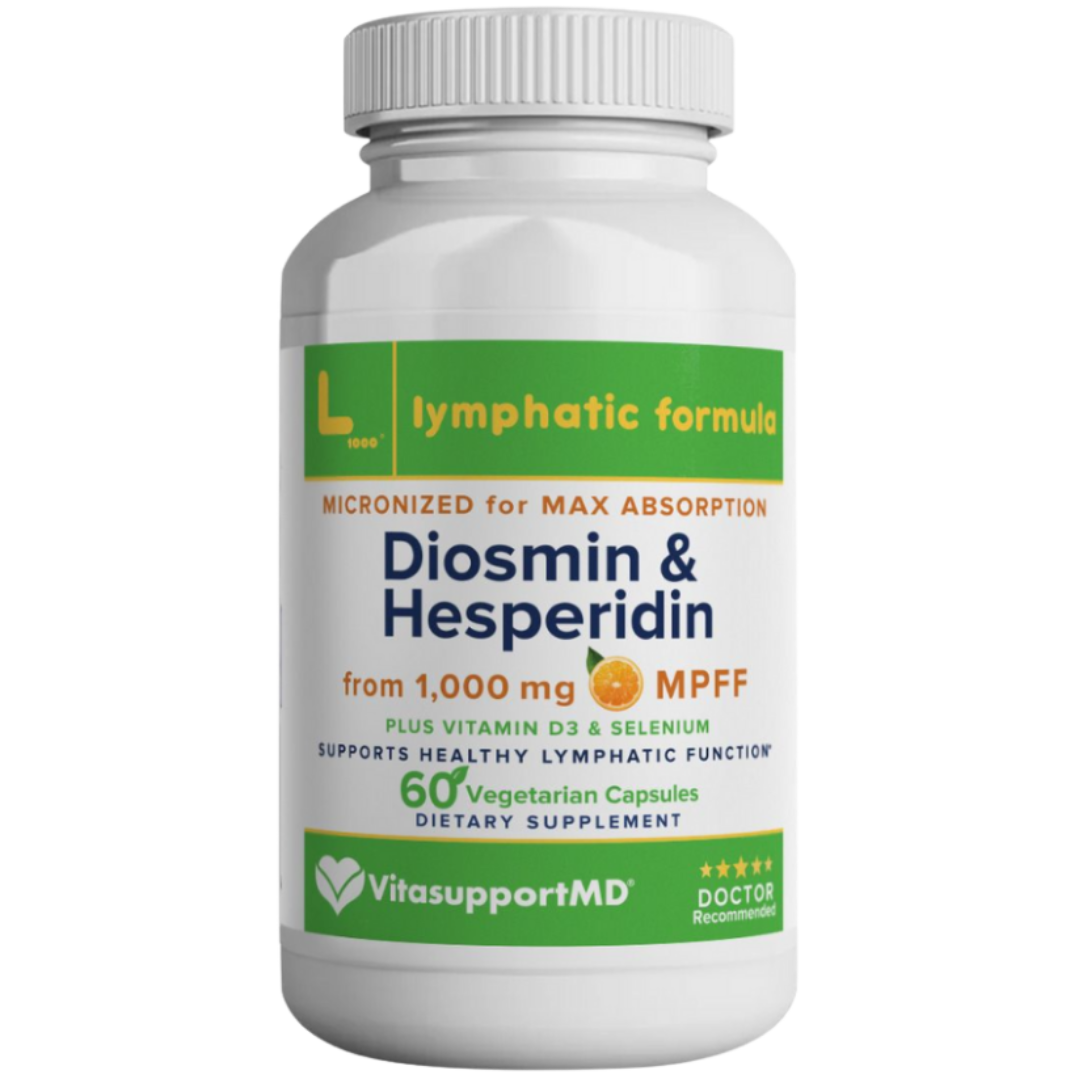
- How to support your lymphatic system
- Sitting all day? How to support your leg circulation
- How sleep quality can influence circulation
Frequently Asked Questions
Can supplements cure vein problems? No. No supplement can cure or treat vein conditions. Certain ingredients may help support healthy circulation and vascular function as part of a broader wellness routine.
What causes poor circulation in the legs? Common factors include a sedentary lifestyle, long periods of sitting or standing, age-related changes, smoking, and conditions such as diabetes, high blood pressure or obesity. If you have persistent leg swelling or pain, see a doctor.
How can I naturally support circulation in my legs? Move regularly, stay hydrated, elevate your legs when you can, eat a balanced diet and manage stress. Supplements with ingredients such as MPFF, horse chestnut extract and grape seed extract may add support.
How long does it take for circulation supplements to work? It varies by person, formula and lifestyle. Some people notice a difference after a few weeks, and others need longer. Supplements work gradually and best alongside movement and hydration.
Is MPFF safe to use daily? MPFF has been widely studied and is commonly used in daily vein support routines. As with any supplement, check with a healthcare provider before starting, especially if you take other medications or have a chronic condition.
Are there side effects from circulation supplements? Most are generally well tolerated when taken as directed, but some ingredients can interact with medications. Always consult a healthcare provider before starting a new supplement.
Can stress alone cause poor circulation? Stress alone may not directly cause circulation problems, but it contributes to factors that affect blood flow, such as inactivity, muscle tension and higher blood pressure.
Can supplements help during long travel or work shifts? Many people find vein support supplements helpful on long flights or standing shifts, because they may support a feeling of leg lightness and comfort. Combine them with stretching or walking breaks.
Can compression garments help? Compression garments apply gentle pressure to support blood movement and can be useful during travel, long work shifts and sedentary periods. Ask a healthcare professional about appropriate use.


