



Dr. John Chuback's Health & Wellness Blog


Blog Posts

The function of the venous system
Mar 28 2024
The venous system, often overlooked compared to the high-pressure dynamics of the arterial system, plays an understated role in the human body.
Beyond their primary function of returning deoxygenated blood to the heart, veins serve multiple purposes for maintaining homeostasis and overall health.
This article explores the complexities of the venous system, discussing its basic function in blood transportation and its participation in other physiological processes.
Key Takeaways
The venous system is responsible for transporting deoxygenated blood back to the heart under low pressure, utilizing valves to prevent backflow, and collaborating with muscle contractions to facilitate venous return.
Veins contribute to thermoregulation by adjusting blood flow to the skin, acting as reservoirs to regulate blood volume, and participating in the body's responses to injury and healing.
Understanding the varied roles of the venous system is important for recognizing its significance in both health and well-being, emphasizing the necessity for additional research and awareness of venous conditions.
The Low-Pressure Superhighway: Veins at Work
Carrying the Load: How Veins Transport Blood
Consider your veins as the silent champions of your body's circulation team. They tirelessly carry oxygen-depleted blood back to your heart. Unlike arteries, veins don't have as much force pushing blood through them. Instead, they depend on one-way valves and your muscle movements to help push blood upward, especially from your lower body.
Think of the valves in your veins as barriers that stop blood from going the wrong way. When you're moving around, like walking or exercising, your muscles squeeze these veins, pushing blood toward your heart. It's a bit like squeezing a tube of toothpaste from the bottom up—efficient and effective.
Muscle contraction compresses veins
Valves open to allow blood to move towards the heart
Valves close to prevent backflow
Remember, keeping active is key to supporting your venous system. Regular movement encourages healthy blood flow, which is essential for maintaining your well-being.
One-Way Streets: The Role of Valves in Venous Flow
Think of your veins as a bustling highway system. Just like cars on the road, your blood needs to keep moving in the right direction. That's where valves come into play. These tiny structures act like traffic signals, ensuring that blood flows toward your heart without taking any detours.
Blood doesn't flow backward, thanks to these venous valves. They're the unsung heroes in your veins, snapping shut if blood tries to head the wrong way, especially when you're standing up.
Open: Blood moves towards the heart
Closed: Prevents blood from flowing backward
Remember, a healthy venous system is key to keeping you feeling energized and ready to tackle your day. Those valves are working tirelessly, so give them a little mental 'thank you' next time you're on the move.
Teamwork with Muscles: The Venous-Muscular Pump
Imagine your veins and muscles working together in perfect harmony, like a well-rehearsed dance troupe. Every time you move, your muscles squeeze the veins running through them, propelling blood back towards your heart. This is the magic of the venous-muscular pump in action.
Your daily activities are vital for this system to thrive. Whether you're walking, running, or even standing up, you're helping your veins do their job. It's a natural and effortless way to support your circulatory health.
Movement: Contracting muscles
Effect: Compresses veins
Result: Blood pushed upwards
By staying active, you're not only keeping fit but also giving your veins a helping hand. Keep that blood flowing!
Remember, while rest is important, too much inactivity can make it harder for your veins to move blood efficiently. So, take a moment to stretch, walk around, or simply flex your muscles throughout the day. It's a small action with a big impact on your venous health.
More Than Just Pipes: The Venous System's Other Gigs
Temperature Control: Veins as Radiators
Ever felt your cheeks flush on a hot day or noticed your hands turning red? That's your veins working as natural radiators, helping to regulate your body temperature. When it's warm out, your veins expand, allowing more blood to flow near the skin's surface, releasing excess heat into the environment.
Your veins are crucial in keeping you cool when the temperature rises. By adjusting blood flow, they ensure your body doesn't overheat, maintaining a stable internal environment. It's a bit like having built-in climate control!
Temperature regulation is just one of the many silent tasks your veins take on without you even realizing it. Here's a quick look at how they adjust:
Widening: Veins increase in diameter to allow more blood flow.
Narrowing: Veins constrict to retain heat when it's cold.
Remember, staying hydrated and dressing for the weather can support your veins in their temperature control mission. It's all about working with your body's natural mechanisms to stay comfortable, no matter the weather.
Storage Units: The Veins as Blood Reservoirs
Think of your veins as the unsung heroes in the background, quietly holding onto a significant volume of your blood supply. They're like natural storage units, always ready to release blood when your body kicks into high gear during activities or when you're simply going about your day.
Capacity is key here. Your veins can expand, creating a reservoir that can be tapped into whenever necessary. This flexibility ensures that you have a steady supply of blood ready to be delivered to your organs and tissues.
Veins can hold up to 70% of your body's blood at rest
They expand and contract based on your body's needs
This system supports a healthy and active lifestyle
Your veins are more than just passive conduits; they actively participate in managing your body's blood volume and maintaining equilibrium.
Remember, while your heart is the pump, your veins are the adaptable storage system that helps keep everything running smoothly. It's a delicate balance that your body manages with remarkable efficiency.
Healing Helpers: Veins in Wound Recovery and Care
When you think about your veins, you might just imagine them as pathways for blood heading back to your heart. But they also do some extra work in helping with healing and handling swelling. Your veins play a part in keeping your body's healing going.
When your body gets hurt, it responds naturally, and your venous system pitches in with other body systems to help deal with it. It's not just about fixing cuts and bruises; it's about everyday upkeep that keeps you feeling well.
Remember, a well-supported venous system is a key player in your overall well-being.
Here's a quick look at how your veins contribute to this process:
Veins support the transport of immune cells to the injury site, which is crucial for repair initiation.
They contribute to waste and excess fluid removal, leading to reduced swelling.
Veins supply necessary nutrients, supporting tissue regeneration.
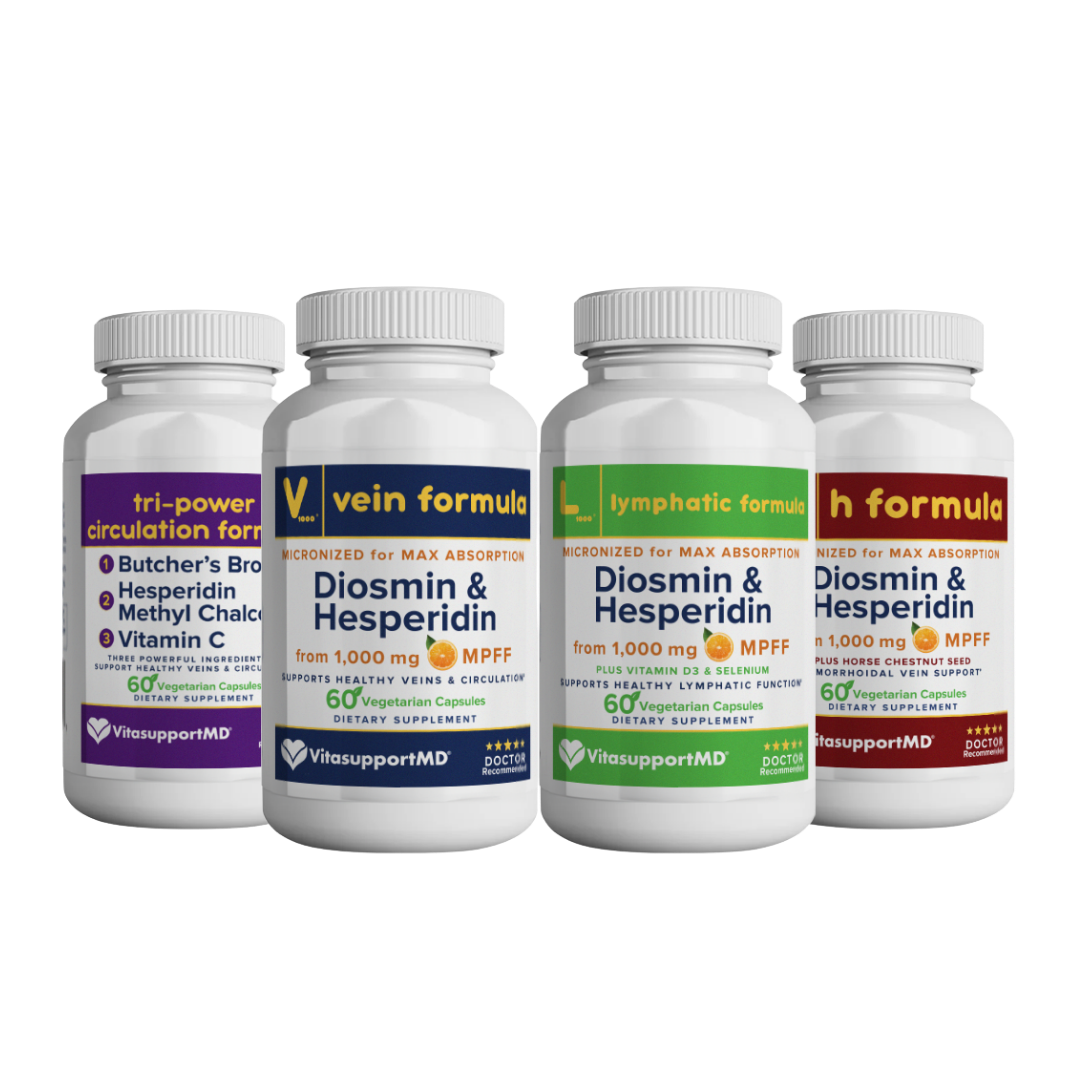
By looking after your veins with regular exercise and a balanced diet, you're not just helping your circulation; you're also supporting your body's natural ability to heal and protect itself. For enhanced vein support, consider incorporating supplements with Diosmin from MPFF (Citrus auruntium L.) found in the Vein Formula 1000. To further support overall cardiovascular health, which includes healthy veins, look into the Tri-Power Formula which also contains Hesperidin from MPFF (Citrus auruntium L.). Additionally, supporting lymphatic drainage can also help with vein health, and the Lymphatic Formula 1000 is designed to support this:.
Wrapping It Up: The Venous System's Vital Role
We've journeyed through the ins and outs of the venous system, and it's clear that it's more than just a series of tubes. It's a crucial player in our body's circulatory team, working tirelessly to return deoxygenated blood to the heart, regulate blood volume and pressure, and even help out with temperature control. It's fascinating how this often-overlooked network has such a significant impact on our overall health. So, next time you're out for a run or just chilling on the couch, give a little nod to your venous system for keeping the life juice flowing just right. Stay curious, and keep pumping!
Frequently Asked Questions
How do veins differ from arteries in terms of blood transport?
Veins and arteries are both important for moving blood around your body, but they do different jobs. Arteries carry oxygen-rich blood from the heart to the body, while veins bring oxygen-poor blood back to the heart. Unlike arteries, veins have valves to stop blood from flowing backward because they work under less pressure.
What is the venous-muscular pump, and how does it work?
The venous-muscular pump happens when leg muscles squeeze veins to push blood to the heart. This is important in the legs because blood has to go against gravity. When muscles tighten, they press on the veins, and valves inside them stop blood from going backward, helping it move toward the heart.
What role do veins play in temperature regulation?
Veins help control body temperature by adjusting blood flow to the skin. When the body needs to cool down, veins widen to send more blood to the skin, releasing heat. Conversely, when the body needs to stay warm, veins narrow to reduce blood flow to the skin, keeping warmth inside.

Why is Diosmin and Hesperidin Important for your Body?
Mar 13 2024
Diosmin and hesperidin are two natural compounds that play a role in supporting the well-being of our bodies. These bioflavonoids, derived from citrus fruits, offer a wide range of benefits. In this article, we will explore the origins and mechanisms of diosmin and hesperidin and their natural sources.
What are Diosmin and Hesperidin?
The Origins of Diosmin and Hesperidin
Diosmin and hesperidin are natural bioflavonoids found in citrus fruits like oranges and lemons. These compounds are known for their antioxidant properties and have been used for centuries in traditional medicine. Diosmin and Hesperidin work together to support circulatory health and promote overall well-being.
In addition to citrus fruits, other natural sources of diosmin and hesperidin include rutin, a plant-based compound found in buckwheat and other fruits and vegetables. These natural sources provide a convenient way to incorporate diosmin and hesperidin into your diet.
It's important to note that while diosmin and hesperidin can be obtained from natural sources, some people may choose to supplement their intake with dietary supplements. Diosmin hesperidin supplements are available in various forms, including capsules and tablets, and can be found in health food stores and online retailers.
When choosing the best diosmin hesperidin supplement, it's important to consider the quality and purity of the product. Look for vein support supplements that are made from high-quality ingredients and have been tested for safety and efficacy.
Table: Natural Sources of Diosmin and Hesperidin
Source
Diosmin Content
Hesperidin Content
Oranges
High
High
Lemons
Moderate
High
Rutin
Moderate
Low
Note: The content of Diosmin and Hesperidin may vary depending on the source and processing methods.
Tip: Consult with a healthcare professional before starting any new dietary supplement.
How Do Diosmin and Hesperidin Work?
Diosmin and Hesperidin work together to support your body's overall health. Diosmin is a flavonoid that helps support blood flow and blood vessel strength, while hesperidin acts as an antioxidant and anti-inflammatory agent. When combined, these two compounds have a synergistic effect, providing enhanced support for your circulatory system.
The Benefits of Diosmin and Hesperidin
Diosmin and hesperidin are natural bioflavonoids that benefit the body by supporting healthy blood circulation, strengthening blood vessels, and reducing inflammation. Their antioxidant properties also benefit skin health and immune function.
Diosmin and Hesperidin offer a range of benefits for your body. These natural compounds have been shown to support circulatory health, skin health, eye health, and immune function.
Natural Sources of Diosmin and Hesperidin
Citrus Fruits: A Rich Source of Hesperidin
Citrus fruits, such as oranges, lemons, and grapefruits, are packed with hesperidin, a flavonoid that offers numerous benefits. Hesperidin is known for its antioxidant properties, which help protect the body against oxidative stress and free radicals. It also plays a role in supporting a healthy circulatory system.
Including citrus fruits in your diet can provide you with a natural source of hesperidin. Here are some popular citrus fruits and their approximate hesperidin content per 100 grams:
Citrus Fruit
Hesperidin Content
Orange
43 mg
Lemon
36 mg
Grapefruit
28 mg
Adding these fruits to your daily routine can be a delicious way to support your overall well-being. Remember, a balanced diet and a healthy lifestyle are key to maintaining good health.
Rutin: A Plant-Based Source of Diosmin
Rutin is a natural compound found in various plants, and it serves as a plant-based source of diosmin. Rutin is known for its antioxidant properties, which can help protect the body against oxidative stress. It is commonly found in foods such as citrus fruits, buckwheat, and apples.
Including rutin-rich foods in your diet can provide you with the benefits of diosmin. Here are some examples of foods that are good sources of rutin:
Citrus fruits: Oranges, lemons, and grapefruits are all rich in rutin.
Buckwheat: This grain is a great source of rutin and can be used in various recipes.
Apples: Enjoying an apple a day can also contribute to your rutin intake.
Tip: Try incorporating these foods into your daily meals to support your overall health and well-being.
Other Natural Sources of Diosmin and Hesperidin
Apart from citrus fruits and rutin, there are other natural sources of diosmin and hesperidin that you can incorporate into your diet. Some of these sources include:
Buckwheat: This gluten-free grain is a good source of diosmin and can be enjoyed in various dishes.
Green Tea: Known for its antioxidant properties, green tea also contains a small amount of hesperidin.
Red Wine: Enjoying a glass of red wine in moderation can provide a small amount of both diosmin and hesperidin.
Remember, it's always best to consult with a healthcare professional before making any significant changes to your diet or starting any new supplements.
Diosmin and Hesperidin Supplements
Choosing the Right Diosmin and Hesperidin Supplement
When it comes to choosing a diosmin and hesperidin supplement, it's important to consider a few factors. First, look for a reputable brand that uses high-quality ingredients. Reading customer reviews can also give you insight into the effectiveness of the supplement. Additionally, check the dosage and usage recommendations provided by the manufacturer. It's essential to follow these guidelines to ensure you're taking the supplement correctly. Lastly, consult with your healthcare provider before starting any new supplement regimen to ensure it's safe for you.
Here are some tips to keep in mind:
Look for a reputable brand
Read customer reviews
Follow dosage and usage recommendations
Consult with your healthcare provider
Remember, choosing the right diosmin and hesperidin supplement can support your overall well-being and healthy lifestyle.
Dosage and Usage Recommendations
When it comes to taking diosmin and hesperidin supplements, it's important to follow the recommended dosage and usage guidelines. These guidelines can vary depending on the specific supplement you choose, so it's always a good idea to read the label and consult with your healthcare provider.
Here are some general tips to keep in mind:
Start with the lowest recommended dosage and gradually increase if needed.
Take the supplement with a meal to enhance absorption.
Be consistent with your daily intake to experience the full benefits.
Remember, diosmin and hesperidin supplements are not meant to cure or treat any specific condition. They are simply meant to support your overall well-being. If you have any concerns or questions, don't hesitate to reach out to your healthcare provider for personalized advice.
Tip: It's always a good idea to consult with your healthcare provider before starting any new supplement regimen.
The Supporting Role of Diosmin and Hesperidin
Blood Circulation
Blood circulation is crucial for maintaining overall health and well-being. Good blood circulation ensures that oxygen and nutrients are efficiently delivered to all parts of the body while waste products are effectively removed. Several lifestyle habits can help improve blood circulation:
Regular exercise: Engaging in physical activity, such as walking, jogging, or cycling, can help stimulate blood flow and strengthen the heart.
Maintaining a healthy weight: Excess weight can put a strain on the circulatory system, so maintaining a healthy weight is important for optimal blood circulation.
Avoiding prolonged sitting or standing: Sitting or standing for long periods of time can lead to poor blood circulation, so it's important to take breaks and move around.
In addition to these lifestyle habits, certain foods and supplements can also help. Consuming foods that are rich in antioxidants, such as berries and leafy greens, can be beneficial. Additionally, supplements containing diosmin and hesperidin, natural compounds derived from citrus fruits, have been studied for their potential to support blood vessel health. However, it's important to seek advice from a healthcare professional before starting any new supplements.
While diosmin and hesperidin supplements may offer support for circulatory health, it's essential to adopt a healthy lifestyle overall. Remember, it's important to maintain a healthy weight, exercise regularly, and avoid prolonged periods of sitting or standing for overall circulatory well-being.
Diosmin and Hesperidin Support for Healthy Skin
Collagen Production
Collagen is a key protein that gives our skin its strength and elasticity and is essential for maintaining healthy and youthful-looking skin. While there are various factors that can affect collagen production, incorporating diosmin and hesperidin into your routine can provide support. These powerful antioxidants help to protect collagen fibers from damage caused by free radicals.
To support collagen production and maintain healthy skin, consider incorporating diosmin and hesperidin into your daily routine. Whether through a balanced diet or dietary supplements, these natural compounds can provide the support your skin needs to stay healthy and vibrant.
Protecting Against UV Damage
While they are not a substitute for sunscreen or other sun protection measures, diosmin and hesperidin have been shown to support the protection of skin cells from the damaging effects of UV radiation.
Additionally, research has suggested that diosmin and hesperidin may help reduce the production of reactive oxygen species (ROS) in the skin, which helps support the health and integrity of your skin.
While diosmin and hesperidin can provide some support in protecting against UV damage, it's important to remember that they should be used in conjunction with other sun protection measures, such as wearing sunscreen, seeking shade, and wearing protective clothing.
Skin Health
Diosmin and hesperidin have also been found to have potential benefits in supporting your skin health. These two amazing ingredients work by reducing oxidative stress, which can lead to a healthier and more vibrant complexion.
To incorporate diosmin and hesperidin into your skincare routine, you can consider using skincare products that contain these ingredients. Look for products that are specifically formulated to promote overall skin health.
Remember, maintaining a healthy lifestyle, including a balanced diet and regular exercise, is also crucial for supporting your skin's health. So, don't forget to take care of your skin from the inside out!
Diosmin and Hesperidin Support for Immune Function
Supporting Antioxidant Activity
Antioxidants play a crucial role in maintaining overall health and well-being. They help protect our cells from damage caused by harmful molecules called free radicals. Diosmin and hesperidin are known for their ability to support antioxidant activity in the body.
These powerful flavonoids can help neutralize free radicals and reduce oxidative stress. By doing so, they support the body's natural defense mechanisms and healthy immune system.
It's important to incorporate a balanced diet rich in fruits and vegetables to enhance the antioxidant benefits of diosmin and hesperidin. These foods are naturally high in antioxidants and can further support the body's ability to fight off harmful free radicals.
Remember, maintaining a healthy lifestyle is key to supporting your body's natural functions and overall well-being.
Conclusion
In conclusion, diosmin and hesperidin play a crucial role in supporting a healthy body. These natural compounds have been shown to have numerous benefits, including supporting blood flow health and blood vessel strength. Incorporating foods rich in diosmin and hesperidin into your diet or taking supplements can help support overall health and well-being. So, don't forget to include these powerful bioflavonoids in your daily wellness routine!
Frequently Asked Questions
What are the origins of Diosmin and Hesperidin?
Diosmin and Hesperidin are naturally occurring bioflavonoids found in citrus fruits, particularly in the peel and pulp.
How do Diosmin and Hesperidin work?
Diosmin and Hesperidin work by supporting blood circulation and blood vessel health.
What are the benefits of Diosmin and Hesperidin?
The benefits of diosmin and hesperidin include supporting circulatory health, collagen production, and immune function.
Are there natural sources of Diosmin and Hesperidin?
Yes, citrus fruits such as oranges, lemons, and grapefruits are rich sources of hesperidin, while rutin, a plant-based compound, is a natural source of diosmin.
How can I choose the right Diosmin and Hesperidin supplement?
When choosing a diosmin and hesperidin supplement, look for high-quality brands that provide a standardized dosage of the bioflavonoids. It is recommended to consult with a healthcare professional for personalized advice.

Mar 08 2024
Walking outside is more than just a form of physical exercise; it's a holistic activity that can enhance your health and well-being—embracing the great outdoors while walking provides a unique combination of benefits that indoor workouts can't replicate. This article delves into the numerous advantages of spending time outdoors. From the natural boost in vitamin D to the energizing quality of fresh air, stepping outside has many physical benefits. Additionally, taking a stroll in nature can positively affect mental health and provide social opportunities.
Key Takeaways
Exposure to sunlight during outdoor walks increases vitamin D levels, which is essential for bone health and immune function.
By stepping outside, you'll be able to reduce your exposure to indoor pollutants and soak up some of the natural goodness that the great outdoors has to offer.
Regular outdoor walking can alleviate stress, foster creativity, and provide opportunities for social interaction, contributing to better mental health.
Fresh Air and Sunshine: Nature's Own Dynamic Duo for Wellness
Boosting Vitamin D Levels Naturally
Stepping outside on a sunny day isn't just about the warm glow on your skin. It's about embracing the natural way to help your body maintain its Vitamin D levels. Basking in the sunshine for a short period can be a simple yet effective method of supporting your overall well-being.
Find a sunny spot
Aim for short durations
Enjoy the warmth
Remember, moderation is key. Just a little bit of sun can go a long way. Avoid the midday intensity and opt for the gentler rays of the early morning or late afternoon.
Experience the sun's gentle embrace. Let the gentle rays kiss your skin, and feel the subtle boost it brings to your day.
Always consider your skin type and the local UV index to tailor your sun exposure responsibly. It's all about discovering that perfect balance between relishing the outdoors and supporting your health.
Enjoying the Benefits of Clean Air
When you step outside, you're not just taking a walk; you're immersing yourself in an environment that supports your well-being. Taking deep breaths of fresh air can feel rejuvenating, as if each breath is a new wave of energy for your body. It's a simple pleasure that's all too easy to overlook.
Consider the gentle caress of a breeze against your skin, the subtle scents of nature that vary with the seasons, and the serenity that comes from being away from indoor confines. These sensory experiences contribute to a sense of relaxation and contentment.
Enjoy the calmness that envelops you with each step.
Notice the variety of sounds that replace the constant hum of electronics.
Embrace the feeling of expansiveness as the sky stretches above you.
During a busy day, a brief walk outside can be a refreshing interlude, offering a moment to reset and recharge.
Keep in mind that while fresh air offers benefits, it's only part of a holistic approach to wellness. Prioritize balance in your life and cherish the small joys that come your way, as they are essential for your overall well-being.
Step by Step to a Healthier Mind
Walking Away the Stress
As you lace up your sneakers and step out the door, you're not just embarking on a physical journey but also a mental one. Walking is a simple yet powerful tool for maintaining a serene state of mind amidst the hustle and bustle of daily life. It's a chance to let your thoughts wander away from the noise and into the calm.
Stress can sneak up on us in the quietest ways, but a regular walk in the open air is like hitting the reset button. Here's a quick list of what you might experience during your stroll:
A sense of calm as you leave your worries on the pavement
A rhythmic pace that helps soothe your mind
The gentle distraction of nature's details, from the rustling leaves to the cheerful chirping birds
Connect with nature's pace; it's all about patience. A walk should be enjoyed step by step, not rushed just to reach a destination. Remember, it's not about how far or fast, but the peace it brings. So, take a deep breath, feel the breeze, and let your walk be a calm break in your day.
Creative Thoughts on the Go
As you meander through the park or stride along the city streets, you might find that your best ideas seem to flow more freely. Walking is not just a physical exercise but a journey for the mind as well. It's a time when the brain can wander, ponder, and play without the usual interruptions.
The rhythmic pace sets a backdrop for brainstorming
New environments stimulate fresh perspectives
Solitude offers a rare chance for introspection
Take the opportunity to let your mind wander. The simple act of walking can be a catalyst for creativity, providing a change of scenery that often leads to a change in thinking.
Remember, the goal isn't to force creativity but to create a space where it can surface naturally. So, next time you're out for a stroll, let your mind wander and watch the magic happen.
The Social Side of Strolling
While you're out there taking in the sights and sounds, remember the joy of sharing the experience with others. Walking with friends or joining a walking group can make the time fly by and strengthen your social connections. It's a chance to catch up, share stories, and enjoy the company of others, all while keeping active.
Community walks are a fantastic way to meet new people who share your interest in staying healthy and active. Here's a quick list of benefits you might find when you walk socially:
Form new friendships and strengthen existing ones
Increased motivation to stick with your walking routine
Shared experiences and discoveries
Remember, walking with friends or in a group can turn a simple stroll into a memorable adventure, fostering a sense of belonging and community.
So, next time you lace up your sneakers, consider inviting a neighbor or joining a local walking club. You'll be surprised at how much more enjoyable your walks can be when shared.
Conclusion
So, stepping outside for a walk isn't just about fresh air—it's a feast for your well-being. From lifting your mood to boosting heart health, walking outdoors is a health game-changer. It's also a great way to get vitamin D and enjoy nature. Whether brisk or leisurely, every step matters. Lace up, hit the trail, and treat your body and mind. Happy walking!
Frequently Asked Questions
How does walking outside boost Vitamin D levels?
Walking outside exposes your skin to sunlight, which triggers Vitamin D production in your body. Vitamin D is essential for bone health, immune function, and overall well-being.
What are the mental health benefits of walking outdoors?
Walking outdoors can significantly reduce stress and anxiety levels. It promotes relaxation, enhances mood, and can improve creativity and focus by providing a change of scenery and stimulating the senses.
Can walking outside improve social connections?
Yes, walking outside can be a social activity. Joining walking groups or simply strolling with friends or family can strengthen social bonds, encourage conversation, and provide a sense of community.
Discover the joys of outdoor walks! With every step, you can boost vitamin D, breathe fresh air, ease stress, and spark creativity.

How Much Water Should You Drink A Day? The Health Benefits of Hydration
Feb 01 2024
Water is an essential component of our body and plays a vital role in maintaining our overall health. Staying hydrated is crucial as it offers numerous benefits to our well-being. In this article, we will explore the importance of water, how much water we should drink daily, the signs of dehydration, and the benefits of staying hydrated.
Key Takeaways
Drinking enough water is essential for maintaining proper bodily functions.
Staying hydrated has numerous benefits, including improved physical performance and boosted brain function.
Factors such as age, activity level, and climate affect the amount of water you should drink daily.
General guidelines suggest drinking 8 cups (64 ounces) of water daily.
Increasing your water consumption can be achieved through various tips and strategies.
Why Water is Essential for Your Health
The Role of Water in the Body
Water plays a crucial role in maintaining overall health and well-being. It is involved in numerous bodily functions and processes, making it essential for our survival. Hydration is key to keeping our bodies functioning optimally.
One important function of water is to hydrate our cells and tissues. It helps transport nutrients and oxygen to our cells, allowing them to function correctly. Water also aids in the removal of waste products and toxins from our bodies.
Additionally, water is essential for regulating body temperature. It helps cool us down through sweat production, especially during physical activity or in hot weather.
It is important to drink enough water throughout the day to ensure you stay properly hydrated. Remember, your body constantly loses water through sweat, urine, and even breathing. Continue reading to learn more about the importance of staying hydrated and how much water you should drink daily.
Benefits of Staying Hydrated
Staying hydrated offers numerous benefits for your overall well-being. Hydration plays a crucial role in maintaining the proper functioning of your body. It helps regulate body temperature, lubricates joints, and transports nutrients to cells. By staying hydrated, you can improve your physical performance and enhance your brain function.
Additionally, drinking enough water can aid in weight loss and appetite control. When adequately hydrated, you are less likely to confuse thirst with hunger, which can help prevent overeating. Hydration also contributes to healthy skin and hair, keeping them moisturized and vibrant.
To ensure you stay hydrated throughout the day, here are a few tips:
Carry a reusable water bottle with you and sip from it throughout the day.
Set reminders on your phone or use apps to track your water intake.
Include hydrating foods in your diet, such as fruits and vegetables.
Remember, staying hydrated is essential for maintaining overall health and supporting your body's natural functions.
How Dehydration Affects Your Health
Dehydration can have a significant impact on your overall health. When your body doesn't have enough water, it can't function properly, leading to various negative effects. Dehydration can cause fatigue, dizziness, and headaches, making it difficult to focus and perform daily tasks. It can also affect your mood and cognitive function, making you feel irritable and less alert.
To prevent dehydration, drinking enough water throughout the day is essential. Water helps maintain the balance of bodily fluids, regulates body temperature, and supports digestion, elimination, and regularity. It also plays a crucial role in transporting nutrients and oxygen to cells and removing waste products.
Here are a few tips to stay hydrated:
Drink before you get thirsty: By the time you feel thirsty, you may already be mildly dehydrated.
Set reminders to drink water, especially if you have a busy schedule.
Eat water-rich foods like fruits and vegetables.
Remember, staying hydrated is essential for your overall well-being and can positively impact your physical and mental performance.
How Much Water Should You Drink?
Factors That Affect Your Water Needs
Several factors can influence your daily water needs. Physical activity is one of the key factors that can increase your water requirements. When you engage in activities that make you sweat, such as exercise or gardening, it's important to drink more water to replenish the fluids lost through sweating.
Another factor to consider is body size. Larger individuals generally require more water to stay hydrated compared to smaller individuals. Additionally, climate plays a role in determining your water needs. In hot and humid climates, you may need to drink more water to compensate for the increased fluid loss through sweating.
It's also important to note that certain medical conditions and medications can affect your water needs. If you have any specific health concerns, it's best to consult with a healthcare professional for personalized advice on your water intake.
To ensure you're meeting your hydration needs, listen to your body's signals of thirst and aim to drink water throughout the day.
General Guidelines for Daily Water Intake
When it comes to staying hydrated, there are some general guidelines you can follow. Drinking eight 8-ounce glasses of water per day, which is about 2 liters or half a gallon, is recommended. However, keep in mind that your water needs may vary depending on factors such as your activity level, climate, and overall health.
To make sure you're getting enough water, here are some tips:
Carry a water bottle with you throughout the day to remind yourself to drink.
Drink water before, during, and after physical activity.
Listen to your body's thirst signals, and drink when you're feeling thirsty.
Remember, staying hydrated is important for maintaining good health and supporting your body's natural functions. So, make it a habit to drink enough water every day!
Tips for Increasing Your Water Consumption
Here are some simple tips to help you increase your water intake:
Carry a reusable water bottle with you wherever you go. This will serve as a constant reminder to drink water throughout the day.
Set reminders on your phone or computer to drink water at regular intervals. It's easy to forget, so having reminders can be helpful.
Flavor your water with fruits, herbs, or vegetables to make it more enjoyable. Adding a slice of lemon, cucumber, or mint can give your water a refreshing twist.
Drink a glass of water before each meal. Not only will this help you stay hydrated, but it can also aid digestion and prevent overeating.
Keep track of your water intake. Use a water tracking app or simply jot down how much water you drink daily. This can help you stay accountable and ensure you're meeting your hydration goals.
Remember, staying hydrated is essential for your overall health and well-being. By incorporating these tips into your daily routine, you can easily increase your water consumption and reap the benefits of hydration.
The Health Benefits of Hydration
Improved Physical Performance
Staying hydrated is crucial for maintaining optimal physical performance. When you're well-hydrated, your muscles and joints are lubricated, allowing for smoother movements and reducing the risk of injury. Hydration also helps regulate your body temperature, preventing overheating during intense physical activity. Whether you're hitting the gym or going for a run, make sure to drink enough water to keep your body performing at its best.
Drink water before, during, and after exercise to stay hydrated.
Aim to consume fluids that contain electrolytes to replenish what you lose through sweat.
Opt for water or natural electrolyte sources like coconut water.
Remember, staying hydrated is essential not only for your overall health but also for maximizing your physical performance.
Boosted Brain Function
Proper hydration is important not only for your physical health but also for your brain function. Staying hydrated can help improve cognitive performance, concentration, and alertness. When you are dehydrated, your brain may not function at its optimal level, leading to decreased focus and mental fatigue. Drinking enough water throughout the day supports your brain's ability to think clearly and stay sharp.
In addition to drinking water, there are other ways to support your brain health. Here are some tips:
Get enough sleep: Adequate sleep is crucial for brain function and overall well-being. Aim for 7-9 hours of quality sleep each night.
Eat a balanced diet: Include foods rich in omega-3 fatty acids, antioxidants, and vitamins that support brain health, such as fatty fish, berries, nuts, and leafy greens.
Engage in mental exercises: Keep your brain active by challenging it with puzzles, reading, learning new skills, or playing memory games.
Remember, a well-hydrated brain is a happy brain!
Weight Loss and Appetite Control
Hydration plays a crucial role in weight loss and appetite control. Drinking an adequate amount of water can help you feel fuller for longer, reducing the chances of overeating or snacking on unhealthy foods. Additionally, staying hydrated can boost your metabolism, allowing your body to burn calories more efficiently. It's important to note that while drinking water alone won't magically make you lose weight, it can be a helpful tool when combined with a balanced diet and regular exercise.
To support your weight loss goals, here are a few tips:
Drink a glass of water before meals to help you feel more satisfied and prevent overeating.
Choose water over sugary beverages like soda or juice, which can add unnecessary calories to your diet.
Stay hydrated throughout the day by carrying a water bottle with you and sipping from it regularly.
Remember, staying hydrated is just one piece of the puzzle regarding weight loss. It's important to adopt a holistic approach that includes a healthy diet, regular exercise, and adequate sleep.
Healthy Skin and Hair
Healthy skin and hair is about more than just using the right products. Proper hydration plays a crucial role in maintaining their health and appearance. Drinking enough water helps to keep your skin moisturized and supple, reducing the risk of dryness, flakiness, and dullness. Hydration also promotes the production of collagen, a protein that gives your skin its elasticity and helps to prevent wrinkles and fine lines.
In addition to skin benefits, staying hydrated is essential for maintaining healthy hair. Water helps to nourish the hair follicles and promotes hair growth. It also keeps the scalp hydrated, reducing the risk of dryness, itchiness, and dandruff. So, if you want to have glowing skin and luscious locks, make sure to drink enough water throughout the day.
Achieving and maintaining healthy, beautiful skin and hair starts from within. Remember, proper hydration is a key factor in making this happen. Don't forget to drink enough water every day to keep your skin and hair looking their best!
Regulation of Body Temperature
Proper hydration plays a crucial role in regulating body temperature. When you're well-hydrated, your body can effectively cool itself down through sweat. Sweating is the body's natural way of releasing heat and maintaining a stable internal temperature. Without enough water, your body may struggle to produce sweat, leading to overheating and discomfort.
In addition to helping with temperature regulation, staying hydrated can also improve your overall physical performance. When your body is adequately hydrated, your muscles and joints are lubricated, allowing for smoother movement and reducing the risk of injury.
Drinking enough water throughout the day is essential to ensure you stay hydrated and support your body's temperature regulation. General guidelines suggest aiming for at least 8 cups (64 ounces) of water daily. However, individual water needs may vary based on factors such as activity level, climate, and overall health.
Remember, staying hydrated is essential for maintaining optimal health and well-being. So grab a glass of water and keep your body cool and functioning at its best!
In conclusion
Staying hydrated is crucial for maintaining good health. Drinking enough water throughout the day can help improve digestion, elimination, and regularity, boost energy levels, and even enhance brain function. So, don't forget to keep a water bottle handy and prioritize hydration in your daily routine. Cheers to a healthier you!
Frequently Asked Questions
How much water should I drink in a day?
The general guideline for daily water intake is to drink at least 8 cups (64 ounces) of water daily. However, individual water needs can vary based on factors such as age, weight, activity level, and climate.
Can I drink other beverages instead of water to stay hydrated?
While water is the best choice for staying hydrated, other beverages such as herbal tea, unsweetened fruit juices, and milk can contribute to your daily water intake. However, it's important to limit the consumption of sugary drinks and caffeinated beverages, as they can have diuretic effects.
How can I increase my water consumption?
There are several ways to increase your water consumption. You can carry a reusable water bottle with you, set reminders to drink water throughout the day, flavor your water with fruits or herbs, eat water-rich foods like fruits and vegetables, and limit the intake of dehydrating substances like alcohol and caffeine.
Is it possible to drink too much water?
While it's important to stay hydrated, it is possible to drink too much water. It's essential to drink water in moderation and listen to your body's thirst signals.
Are sports drinks better than water for hydration?
Sports drinks can be beneficial for athletes or individuals engaging in prolonged, intense physical activity, as they provide electrolytes and carbohydrates that can help replenish the body's energy stores. However, for most people, water is sufficient for hydration.

5 Habits to Start Your Day the Right Way
Feb 01 2024
Starting your day off on the right foot can set the tone for the rest of the day. By incorporating these five habits into your morning routine, you can ensure that you start each day feeling refreshed, energized, and focused. From getting enough sleep to practicing mindfulness, these habits will help you make the most of your day and achieve your goals.
Key Takeaways
Getting enough sleep and creating a bedtime routine can help you wake up refreshed.
Eating a healthy breakfast and staying hydrated provide your body with the fuel it needs for the day.
Stretching or doing yoga, walking or running, and exercising for at least 30 minutes can help move your body and boost your energy levels.
Prioritizing your tasks, creating a to-do list, and visualizing your success can help you set daily goals and stay focused.
Meditating or practicing deep breathing, journaling your thoughts, and practicing gratitude can help you practice mindfulness and reduce stress.
1. Wake Up Refreshed
Get Enough Sleep
Getting enough sleep is crucial for starting your day off right. Sleep allows your body to rest and recharge, giving you the energy to tackle the day ahead. It is recommended that adults aim for 7-9 hours of sleep each night. To ensure a good night's sleep, create a relaxing bedtime routine that includes activities like reading a book or taking a warm bath. Avoid using electronic devices before bed, as the blue light can interfere with your sleep. Remember, a well-rested body is a productive body!
Create a Bedtime Routine
Creating a bedtime routine can signal your body that it's time to wind down and prepare for sleep. Establishing a consistent routine can improve the quality of your sleep and make it easier to fall asleep. Here are a few tips to help you create a bedtime routine:
Set a regular bedtime and wake-up time to regulate your body's internal clock.
Create a relaxing environment in your bedroom by keeping it cool, dark, and quiet.
Avoid stimulating activities before bed, such as using electronic devices or watching TV.
Remember, the goal of a bedtime routine is to relax your mind and body, so find activities that help you unwind and prepare for a restful night's sleep.
Avoid Electronics Before Bed
Scrolling through social media or watching TV before bed is tempting, but avoiding electronics can significantly improve your sleep quality. The blue light emitted by screens can disrupt your body's natural sleep-wake cycle, making it harder to fall asleep. Instead, try reading a book or practicing relaxation techniques to wind down before bed.
Here are a few tips to help you avoid electronics before bed:
Set a specific time to turn off all electronic devices, such as an hour before bedtime.
Create a relaxing bedtime routine that doesn't involve screens, such as taking a warm bath or listening to calming music.
Removing TVs, computers, and smartphones from the sleeping area keeps your bedroom screen-free.
Remember, a good night's sleep is essential for starting your day on the right foot!
2. Fuel Your Body
Eat a Healthy Breakfast
Eating a healthy breakfast is essential for starting your day off right. It gives your body the fuel to kickstart your metabolism and energize you throughout the morning. Fueling your body with nutritious foods in the morning can help improve concentration, focus, and overall productivity.
Opt for whole grains, protein, and healthy fats when choosing what to eat for breakfast. Whole grains like oatmeal or whole wheat toast provide sustained energy, while protein sources like eggs or Greek yogurt help keep you feeling full and satisfied. Adding healthy fats like avocado or nuts can provide additional nutrients and help keep you satiated until your next meal.
To make it easier to eat a healthy breakfast, try prepping some of your breakfast items the night before. You can make overnight oats, prepare a smoothie bag with frozen fruits and veggies, or hard-boil some eggs. These ready-to-go options can save you time in the morning and ensure you start your day with a nutritious meal.
Stay Hydrated
Staying hydrated is essential for maintaining optimal health and well-being. Drinking enough water throughout the day helps to regulate body temperature, support digestion, elimination, and regularity, and keep your joints lubricated. It also helps to flush out toxins and waste products from your body. Hydration is essential in the morning as your body has been without fluids for several hours. Make it a habit to start your day by drinking a glass of water to rehydrate and kickstart your metabolism.
Here are a few tips to help you stay hydrated throughout the day:
Carry a reusable water bottle with you wherever you go to serve as a constant reminder to drink water and make it easily accessible.
Set reminders on your phone or computer to drink water at regular intervals.
Include hydrating foods, such as fruits and vegetables with high water content, in your diet.
Remember, staying hydrated is a simple yet powerful habit that can positively impact your overall health and well-being.
Limit Caffeine Intake
While a cup of coffee in the morning can provide a much-needed energy boost, it's important to be mindful of your caffeine intake. Too much caffeine can lead to jitters, increased heart rate, and difficulty sleeping. Moderation is key when it comes to caffeine. Consider limiting your intake to one or two cups of coffee per day. Try herbal tea or decaffeinated coffee if you're looking for alternative options. These options can still provide a comforting and warm beverage without the stimulating effects of caffeine.
Here are a few tips to help you limit your caffeine intake:
Be aware of hidden sources of caffeine, such as energy drinks and chocolate.
Gradually reduce your caffeine consumption to avoid withdrawal symptoms.
Experiment with herbal alternatives like chamomile or peppermint tea.
Remember, everyone's tolerance to caffeine is different, so listen to your body and make choices that support your overall well-being.
3. Move Your Body
Stretch or Do Yoga
Stretching or doing yoga in the morning can help wake up your body and mind. It improves flexibility, increases blood flow, and releases tension. Yoga combines stretching, breathing, and meditation to promote relaxation and reduce stress. It can also improve balance and posture. If you're new to yoga, start with simple poses like downward dog or child's pose. As you become more comfortable, you can try more advanced poses. Remember to listen to your body and only do what feels comfortable. Take a few minutes each morning to stretch or do yoga and start your day on a positive note.
Here are a few simple yoga poses you can try:
Pose
Benefits
Downward Dog
Stretches the hamstrings and calves, strengthens the arms and shoulders
Child's Pose
Relaxes the back and neck, stretches the hips
Warrior II
Strengthens the legs, opens the hips and chest
Tip: If you don't have a yoga mat, use a towel or practice on a carpeted surface.
Go for a Walk or Run
Going for a walk or run in the morning is a great way to get your blood flowing and wake up your body. It's a chance to enjoy some fresh air and take in the sights and sounds of nature. Whether you prefer a leisurely stroll or a brisk jog, moving early in the day can help boost your energy levels and set a positive tone for the rest of the day.
If you're new to running, start with a short distance and gradually increase it over time. Remember to wear comfortable shoes and listen to your body. Don't push yourself too hard, especially if you're just starting.
Benefits of Going for a Walk or Run:
Increases cardiovascular fitness
Helps maintain a healthy weight
Boosts mood and reduces stress
So lace up your sneakers and hit the pavement! Your body will thank you for it.
Exercise for at least 30 minutes
Exercising for at least 30 minutes daily is a great way to start your day positively. Whether going for a jog, hitting the gym, or doing a home workout, moving your body in the morning can help boost your energy levels and improve your mood.
Regular exercise has numerous benefits for both your physical and mental well-being. It can help increase your strength and endurance, improve cardiovascular health, and reduce stress and anxiety.
Try incorporating various exercises into your routine to maximize your workout. This can include cardio exercises like running or cycling, strength training exercises like weightlifting or calisthenics, and flexibility exercises like stretching or yoga.
Remember to listen to your body and choose exercises you enjoy and feel comfortable with. The key is finding activities you look forward to that make you feel good. So get moving and start your day right with a dose of exercise!
4. Set Goals for the Day
Prioritize Your Tasks
When starting your day, it's important to prioritize your tasks to ensure you stay focused and productive. Here are a few tips to help you get started:
Make a list: Write down all the tasks you need to accomplish for the day. This will help you stay organized and ensure you remember everything important.
Identify your top priorities: Determine which tasks are the most important and must be completed first. This will help you allocate your time and energy effectively.
Break tasks into smaller steps: If you have a big task, break it down into smaller, more manageable steps. This will make it easier to tackle and give you a sense of progress.
Use time-blocking: Allocate specific time slots for different tasks. This will help you stay focused and avoid getting overwhelmed.
Remember, by prioritizing your tasks, you can start your day with a clear plan and increase your chances of accomplishing your goals.
Create a To-Do List
Creating a to-do list is a great way to stay organized and ensure you accomplish your daily tasks. It helps you prioritize your tasks and keeps you focused on what needs attention. Here are a few tips for creating an effective to-do list:
Start by writing down all the tasks you must complete for the day.
Break down larger tasks into smaller, more manageable ones.
Prioritize your tasks based on urgency and importance.
Set realistic deadlines for each task.
Consider using a digital or physical planner to keep track of your to-do list.
Remember, the key to a successful to-do list is to be realistic and flexible. Don't overload yourself with too many tasks, and be open to adjusting your list as needed. Happy tasking!
Visualize Your Success
After prioritizing your tasks and creating a to-do list, take a moment to visualize your success. Imagine accomplishing your goals for the day and how this makes you feel. This positive visualization can motivate and inspire you to take action and make the most of your day.
To enhance your visualization practice, find a quiet and comfortable relaxing space. Close your eyes and focus on your breathing. As you breathe in and out, imagine yourself achieving your goals and experiencing the satisfaction and joy that comes with it.
Remember, visualization is a powerful tool that can help you stay focused and driven throughout the day. So, take a few moments each morning to visualize your success and set the tone for a productive and fulfilling day.
5. Practice Mindfulness
Meditate or Practice Deep Breathing
Taking a few moments to meditate or practice deep breathing can profoundly impact your mental well-being. It allows you to slow down, clear your mind, and focus on the present moment. Find a quiet space where you can sit comfortably and close your eyes. Inhaling through your nose, take a deep breath, allowing your belly to expand, then slowly exhale through your mouth. Repeat this process several times, allowing yourself to relax and let go of any tension or stress. If you're new to meditation, plenty of apps and guided meditations are available to help you get started.
Incorporating meditation or deep breathing into your daily routine can help reduce anxiety, improve concentration, and promote a sense of calm and relaxation. It's a simple yet powerful practice that can positively impact your overall well-being.
Here are a few tips to enhance your meditation or deep breathing practice:
Find a comfortable position, whether it's sitting cross-legged on the floor or in a chair.
Set a timer to ensure you dedicate a specific amount of time to your practice.
Experiment with different techniques like focusing on your breath or repeating a mantra or favorite word/phrase.
Be patient with yourself. It takes time to develop a regular meditation or deep breathing practice.
Remember, the goal is not to achieve an empty mind but rather to cultivate a sense of awareness and acceptance in the present moment. Give it a try and see how it can positively impact your day!
Journal Your Thoughts
Journaling your thoughts can be a powerful way to start your day. It allows you to reflect on your emotions, goals, and experiences. Writing down your thoughts can help you gain clarity and perspective and serve as a form of self-expression. Whether you prefer a traditional pen and paper or a digital journaling app, find the best method that works for you.
If you're not sure where to start, here are a few prompts to get you going:
What are you grateful for today?
What are your top priorities for the day?
How do you want to feel today?
Remember, journaling is a personal practice, so there are no right or wrong answers. It's about exploring your thoughts and feelings in a safe, non-judgmental space.
Tip: Set aside a few minutes each morning to journal. It can be a calming and grounding way to start your day.
Practice Gratitude
Practicing gratitude is a powerful way to start your day. Take a moment each morning to reflect on what you are grateful for. It could be something as simple as a good night's sleep or a delicious cup of coffee. By focusing on appreciation for the goodness in your life, you set the tone for the rest of the day.
Tip: Keep a gratitude journal and write down three things you are grateful for each morning. This simple practice can help shift your mindset and cultivate a sense of appreciation.
Here's an example of a gratitude journal entry:
Date
Gratitude
2021-01-01
Spending time with loved ones
2021-01-02
Enjoying a beautiful sunset
2021-01-03
Accomplishing a personal goal
Remember, gratitude is a mindset that you can cultivate with practice. Start your day by acknowledging the good in your life and watch how it positively impacts your overall well-being.
Conclusion
In conclusion, starting your day off on the right foot is crucial for setting the tone for the rest of the day. Incorporating these five habits into your morning routine can boost your productivity, improve your mood, and enhance your overall well-being. Remember, small changes can make a big difference, so why not give it a try? Take control of your mornings and watch your days become more positive and fulfilling.
Frequently Asked Questions
Why is getting enough sleep important?
Getting enough sleep is vital for overall health and well-being. It helps improve cognitive function, memory, and concentration. It also allows the body to repair and rejuvenate itself, leading to better physical and mental performance throughout the day.
What are the benefits of creating a bedtime routine?
Creating a bedtime routine helps signal your body that it's time to wind down and prepare for sleep. It can include activities like reading a book, taking a warm bath, or practicing relaxation techniques. A consistent bedtime routine can improve sleep quality and make it easier to fall asleep.
Why should I avoid electronics before bed?
The blue light emitted by electronic devices, such as smartphones and tablets, can suppress the production of melatonin, a hormone that regulates sleep. Using electronics before bed can interfere with your body's natural sleep-wake cycle and make it harder to fall asleep.
What should I eat for a healthy breakfast?
A healthy breakfast should include a balance of protein, carbohydrates, and healthy fats. Good options include whole-grain cereal with milk and fruit, yogurt with granola and nuts, or eggs with whole wheat toast and avocado. Avoid sugary cereals and pastries, as they can cause energy crashes later in the day.
How much water should I drink to stay hydrated?
The amount of water you need to drink to stay hydrated varies depending on factors such as your activity level, climate, and overall health. As a general guideline, drink at least 8 cups (64 ounces) of water daily. Listen to your body's thirst cues and drink more if needed.
What are the benefits of limiting caffeine intake?
While caffeine can provide a temporary energy boost, consuming too much can lead to adverse effects such as increased heart rate, anxiety, and disrupted sleep. Limiting caffeine intake can help regulate your energy levels, improve sleep quality, and reduce dependence on stimulants.
Meta Title: 5 Habits to Start Your Day the Right Way
Meta Description: Discover 5 healthy habits for a thriving and happy life. From nutritious foods to regular exercise, find easy ways to boost your well-being.
How To Get Energy Naturally with Easy Lifestyle Changes
Feb 01 2024
In today's fast-paced world, feeling drained and lacking energy is common. However, you don't need artificial stimulants to boost your energy levels. Simple lifestyle changes can naturally increase your energy and help you feel more vibrant throughout the day. Here are some easy tips to help you get started.
Key Takeaways
Start your day with a nutritious breakfast
Stay hydrated throughout the day
Get moving with regular exercise
Prioritize quality sleep for optimal energy
Fuel your body with healthy snacks
Boost Your Energy Levels with These Simple Lifestyle Changes
Start Your Day with a Nutritious Breakfast
Starting your day with a yummy and nutritious breakfast is like giving your energy levels a super boost that lasts all day! A balanced meal in the morning provides your body with the fuel it needs to kickstart your metabolism and keep you feeling energized. Make sure to include a mix of protein, carbohydrates, and healthy fats in your breakfast to keep you satisfied and focused. Some great options include oatmeal topped with fresh fruits and nuts, whole grain toast with avocado and eggs, or a smoothie packed with greens and protein powder.
Stay Hydrated Throughout the Day
Keeping yourself well-hydrated is vital to maintaining top-notch energy levels throughout the entire day. Water is crucial in many bodily functions, including regulating body temperature, lubricating joints, and aiding digestion, elimination, and regularity. Drinking at least eight glasses of water per day is recommended to stay hydrated.
In addition to water, you can also include hydrating foods in your diet, such as fruits and vegetables with high water content. These include watermelon, cucumbers, oranges, and strawberries. These foods not only provide hydration but also essential vitamins and minerals.
To make it easier to stay hydrated, you can carry a reusable water bottle wherever you go. This will serve as a reminder to drink water throughout the day and make staying hydrated on the go more convenient.
Remember, staying hydrated is a simple yet effective way to support your overall well-being and maintain energy levels.
Get Moving with Regular Exercise
Regular exercise is a vital component of a healthy lifestyle. It helps improve physical fitness, boosts energy levels, and enhances overall well-being. Whether going for a brisk walk, hitting the gym, or trying out a new workout class, finding an exercise routine you enjoy can make all the difference. Exercise releases endorphins, which are natural mood boosters and can help reduce stress and anxiety. So, lace up those sneakers and get moving!
Prioritize Quality Sleep for Optimal Energy
Getting enough sleep is crucial for maintaining high energy levels throughout the day. When you prioritize quality sleep, you allow your body to recharge and rejuvenate. Aim for 7-9 hours of sleep each night to ensure you wake up refreshed and ready to take on the day.
To improve your sleep quality, create a relaxing bedtime routine. This can include reading a book, taking a warm bath, or practicing deep breathing exercises. Avoid using electronic devices before bed, as the blue light can interfere with your sleep patterns.
Additionally, make sure your sleeping environment is comfortable and conducive to sleep. Keep your bedroom cool, dark, and quiet. Invest in a comfortable mattress and pillows that support your body. By prioritizing quality sleep, you'll have the energy to tackle whatever comes your way.
Fuel Your Body with Healthy Snacks
When it comes to maintaining high energy levels throughout the day, the snacks you choose can make a big difference. Instead of reaching for sugary or processed options, choose for nutrient-dense snacks that provide a steady source of energy.
Here are some healthy snack ideas to keep you fueled:
Fresh fruits like apples, bananas, and berries
Nuts and seeds for a dose of healthy fats and protein
Greek yogurt with a sprinkle of granola
Hummus and veggie sticks for a satisfying crunch
Remember, the key is to choose snacks that are both delicious and nutritious. By fueling your body with these healthy options, you can easily sustain your energy levels and power through your day.
Tip: Keep a stash of these snacks in your bag or desk drawer for when hunger strikes. It's always better to be prepared!
Reduce Stress and Find Balance
Reducing stress and finding balance in your life are crucial for maintaining high energy levels. Stress can drain your energy and leave you feeling exhausted both physically and mentally. Here are a few simple tips to help you reduce stress and find balance:
Practice relaxation techniques such as deep breathing, meditation, or yoga.
Make time for activities that you enjoy and that help you relax, such as reading a book, walking in nature, or listening to music.
Prioritize self-care and make sure to take breaks when needed.
Remember, finding balance is a personal journey, so find what works best for you and incorporate it into your daily routine. Reducing stress and finding balance can support your well-being and maintain optimal energy levels.
Limit Caffeine and Alcohol Consumption
When it comes to maintaining a healthy lifestyle and boosting your energy levels, it's essential to be mindful of your caffeine and alcohol consumption. While a cup of coffee or a glass of wine can be enjoyable, excessive intake of these substances can negatively affect your energy levels and overall well-being.
Caffeine is a stimulant that can provide a temporary energy boost, but relying on it too heavily can lead to dependency and disrupt your sleep patterns. Limiting your caffeine intake, especially in the afternoon and evening, is best to ensure a good night's sleep.
Alcohol, on the other hand, may initially make you feel relaxed, but it can actually interfere with your sleep quality and leave you feeling tired and groggy the next day. It's important to drink alcohol in moderation and be aware of its effects on your energy levels.
Consider replacing caffeinated beverages with herbal teas or infused water to support your energy levels. And instead of reaching for a drink to unwind, try engaging in activities that help you relax naturally, such as reading a book or taking a warm bath.
Remember, moderation is essential when it comes to caffeine and alcohol. You can support your overall energy and well-being by being mindful of your consumption and making healthier choices.
Embrace the Power of Natural Supplements
Natural supplements can be a great addition to your healthy lifestyle. While they are not meant to cure any specific conditions, they can support your overall well-being. Here are a few reasons why you might consider incorporating natural supplements into your routine:
They can provide additional nutrients that may be lacking in your diet.
Some supplements have been shown to have antioxidant properties, which can help protect your cells from damage.
Certain supplements may support specific bodily functions, such as immune health or joint mobility.
It's important to remember that supplements should not replace a balanced diet and a healthy lifestyle. They should be used as a complement to support your already healthy habits. If you're considering adding natural supplements to your routine, it's always a good idea to consult with a healthcare professional to ensure they are safe for you.
Conclusion
Making small lifestyle changes can have a significant impact on your energy levels. You can boost your energy levels and improve your overall well-being by incorporating natural methods such as getting enough sleep, eating a balanced diet, staying hydrated, and exercising regularly. Remember, it's the little things that count, so start implementing these easy changes today and feel the difference!
Frequently Asked Questions
What are some nutritious breakfast options to boost energy?
Some nutritious breakfast options to boost energy include oatmeal with fruits and nuts, Greek yogurt with berries, and whole-grain toast with avocado and eggs.
How much water should I drink to stay hydrated?
Drinking at least eight glasses of water per day is recommended to stay hydrated.
What are the benefits of regular exercise for energy levels?
Regular exercise improves blood circulation, boosts mood, and increases energy levels by releasing endorphins.
How can I improve the quality of my sleep?
To improve the quality of your sleep, establish a consistent sleep schedule, create a relaxing bedtime routine, and ensure your sleeping environment is comfortable and free from distractions.
What are some healthy snacks that provide sustained energy?
Some healthy snacks that provide sustained energy include nuts and seeds, fruits, vegetables with hummus, and energy bars made with natural ingredients.
How can I reduce stress and find balance in my life?
To reduce stress and find balance, practice relaxation techniques such as deep breathing and meditation, prioritize self-care activities, and maintain a healthy work-life balance.