




Understanding External and Internal Circulation Support
Navigating the options for daily vascular care often comes down to a decision between physical interventions and nutritional support. Many adults who spend long hours on their feet or seated at a desk find themselves weighing leg compression socks vs supplements to help maintain daily lower-leg comfort. While both strategies are popular, they address blood flow from two different angles: one provides mechanical assistance from the outside, and the other provides structural support from the inside.
Understanding how blood moves through the lower extremities explains why combining these approaches can be so effective. The vascular network in the legs faces the constant task of moving blood upward against gravity to return it to the heart. When you are stationary, this upward journey requires extra effort. Compression garments and targeted dietary bioflavonoids work through distinct mechanisms, creating a comprehensive approach to everyday leg wellness.
How Compression Socks Assist Blood Flow Externally
Graduated compression socks apply gentle, continuous pressure to the tissue of the lower legs. This pressure is greatest at the ankle and gradually decreases as the garment moves up toward the calf.
By gently compressing the surface veins and surrounding soft tissues, compression socks help narrow the diameter of the blood vessels. This slight constriction helps the internal one-way valves function more efficiently, encouraging blood to move upward rather than pooling in the lower extremities. Additionally, compression garments help manage local fluid balance in the tissue, making them a popular option for long flights, extended desk shifts, or long hours spent standing. However, while compression socks provide immediate physical support while worn, they do not alter the underlying structural integrity of the blood vessels themselves.
How Vein-Support Supplements Work from Within
While compression garments work mechanically on the surface, dietary supplements work internally to support the tissue structure of the vascular system. The primary goal of vein-support supplementation is to provide specific plant-based nutrients that help support vessel elasticity, capillary strength, and normal venous tone.
Certain plant compounds, particularly bioflavonoids derived from citrus rinds, have been widely researched for their affinity for blood vessel health. Micronized Purified Flavonoid Fraction (MPFF), a precise blend of micronized diosmin and hesperidin, is a standard in nutritional vascular support. These bioflavonoids help support the natural strength of vein walls and promote steady microcirculation throughout the body.
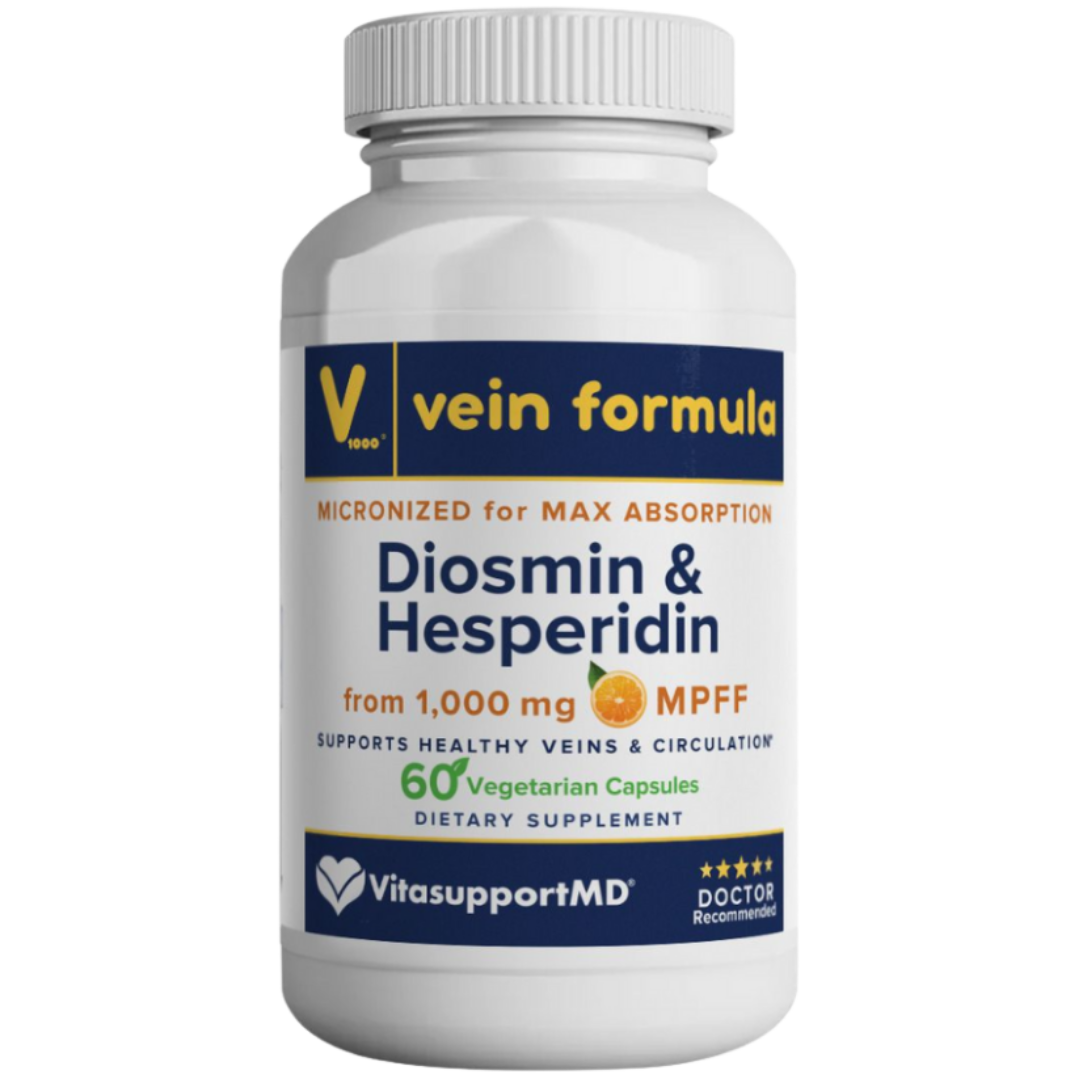
For comprehensive daily vascular care, Vein Formula provides 1000 mg of MPFF per serving. This high-potency bioflavonoid blend offers a targeted nutritional foundation for maintaining healthy leg veins and comfortable blood flow. For those looking for a long-term maintenance option, Original Vein Formula (V60) offers an entry-level option featuring 600 mg of diosmin and 67 mg of hesperidin per serving to support healthy vein function.
The Dual-Action Synergy: Combining Both Approaches
Rather than viewing leg compression socks vs supplements as a choice between one or the other, many people find that using both offers a more complete wellness regimen. The combination creates a complementary effect:
-
Immediate Mechanical Aid: Compression socks offer real-time physical pressure to assist venous return during long periods of sitting or standing.
-
Long-Term Structural Support: Bioflavonoid supplements deliver targeted nutrients to nourish the walls of the blood vessels, supporting their resilience over time.
-
Comprehensive Fluid Management: While compression assists fluid dynamics externally, specialized nutrients help manage fluid balance and lymphatic flow internally.
For individuals looking for an alternative botanical profile to pair with their physical compression routine, Tri-Power Circulation Formula blends Butcher’s Broom extract, Hesperidin Methyl Chalcone, and Vitamin C. Vitamin C supports normal collagen formation for structural vessel integrity, offering another pathway to encourage daily circulation.
Addressing Fluid Dynamics and the Lymphatic System
Circulation involves more than just the cardiovascular network; it also relies heavily on the lymphatic system. The lymphatic network manages fluid balance in the tissues and works alongside the veins to clear cellular waste. When lower-body movement is limited, fluid can collect in the soft tissues of the ankles and feet.
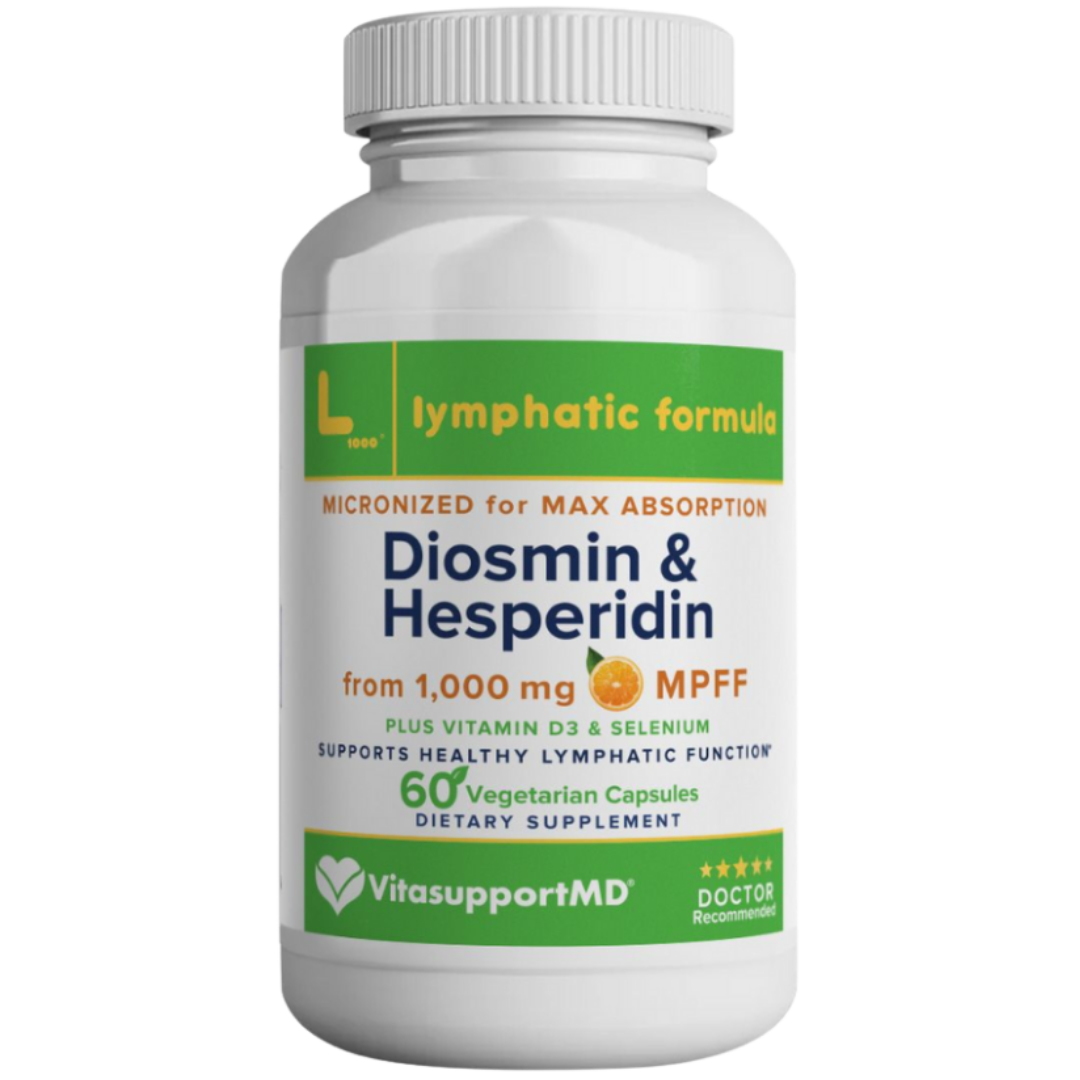
While compression socks physically help prevent excess fluid accumulation in the lower legs during the day, targeted nutrition supports the body's natural drainage pathways internally. Lymphatic Formula combines the proven bioflavonoid fraction of diosmin and hesperidin with Vitamin D3 and Selenium. This specific formulation helps support healthy lymphatic function and fluid balance, making it an excellent partner to external compression garments.
Targeted Support Across the Vascular Network
Sustained physical pressure from prolonged sitting or standing does not only affect the calves and ankles. The lower pelvic area and the hemorrhoidal veins also experience increased pressure during long periods of inactivity, an area where external compression garments cannot reach.
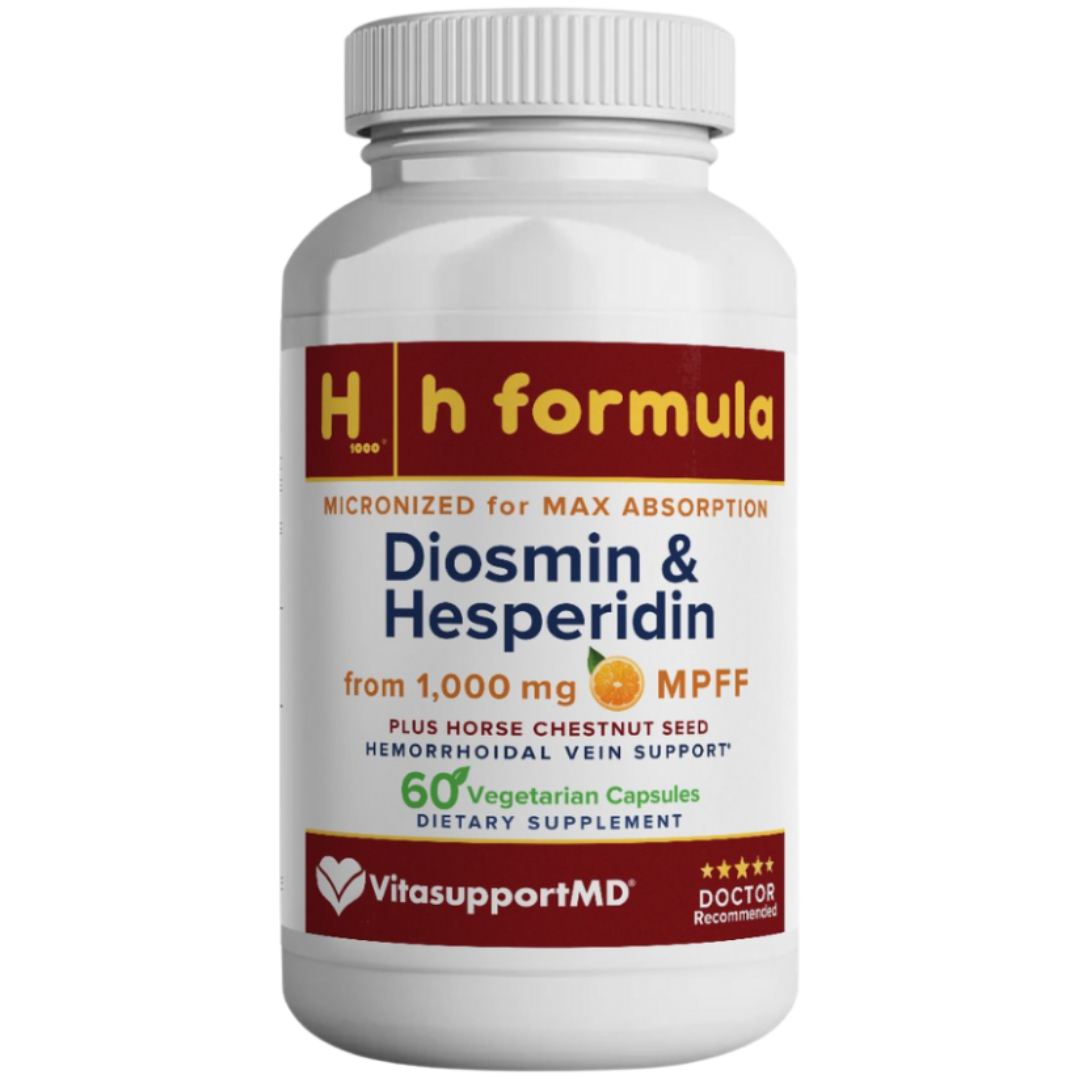
Providing internal nutritional support helps maintain vascular tone throughout the entire body. H Formula combines 1000 mg of MPFF with Horse Chestnut Seed Extract. Horse chestnut contains aescin, a compound recognized for supporting capillary strength and venous tone in sensitive areas. This internal support helps maintain comfort in hemorrhoidal veins, supplementing the external routine you maintain for your legs.
Lifestyle Habits to Maximize Your Routine
To get the most out of combining compression socks and dietary supplements, consider incorporating these simple daily habits:
-
Engage the Muscle Pump: Take frequent breaks to stretch your calves, perform ankle circles, or do standing toe raises to manually push blood upward.
-
Maintain Steady Hydration: Sip water throughout the day. Adequate fluid intake keeps blood at an optimal consistency, supporting smooth travel through your vessels.
-
Elevate Your Legs: At the end of the day, spend 10 to 15 minutes resting with your legs elevated above your heart to assist venous return.
By pairing external compression with targeted internal nutrition and simple daily movements, you can create a balanced, effective routine designed to support your leg health and overall vitality for the long term.
Frequently Asked Questions
Should I choose compression socks or dietary supplements for leg support?
You do not necessarily have to choose one over the other. Compression socks provide immediate physical pressure to assist blood flow externally while you wear them, whereas bioflavonoid supplements provide targeted nutrients to support the structural strength of vessel walls from within. Combining both often delivers the most balanced support.
Can I take vein-support supplements while wearing compression garments daily?
Yes. Because compression garments act physically on the outside of the limb and dietary supplements work nutritionally inside the body, they operate independently and complementarily to one another.
How long should I wear compression socks each day?
Most people wear compression socks during their most active or sedentary hours of the day, such as during a work shift or while traveling. It is generally recommended to remove them before going to sleep unless instructed otherwise by a healthcare provider.
What role do bioflavonoids like diosmin and hesperidin play in vein health?
Diosmin and hesperidin are citrus-derived bioflavonoids that have been studied for decades. They help support natural venous tone, encourage healthy blood vessel elasticity, and promote efficient microcirculation in the extremities.
Do compression socks help with lymphatic fluid balance?
Yes. By applying graduated pressure from the ankle upward, compression socks assist in pushing interstitial fluid out of the tissues and back into the lymphatic and venous networks, supporting overall fluid management in the lower legs.


