Author: Dr. John Chuback's Team
Sleep plays a vital role in maintaining overall health and well-being, yet many people struggle to achieve the quality rest they need. While stress, diet, and daily schedules are often blamed for restless nights, there is another crucial element that is frequently overlooked: circulation. Poor circulation can negatively affect how the body rests and recovers, leading to various sleep disturbances.
Understanding the relationship between how well you sleep and how your blood flows is essential for anyone looking to support their long-term vitality. By recognizing this connection, you can take proactive steps to improve both your circulatory health and the quality of your nightly rest.
The Connection Between Rest and Blood Flow
Blood circulation is the process by which blood flows through the heart and vessels, delivering oxygen and nutrients to every part of the body while removing waste products. A well-functioning circulatory setup is essential for overall health, influencing everything from cognitive function and energy levels to immune performance and sleep quality.
Blood flow is particularly important during sleep because this is when the body undergoes various repair processes, including tissue growth and muscle recovery. If circulation is compromised, these vital functions may be impeded, potentially leading to poor sleep quality. When blood flow to vital organs is reduced, the body may struggle to settle into the deep, restorative stages of rest that are necessary for waking up feeling refreshed.
How Sleep Habits Impact Vascular Health
The relationship between sleep and circulation works in both directions. Just as circulation affects sleep, your sleep habits can influence your vascular health. Maintaining a consistent sleep schedule helps regulate the internal clock and supports normal fluid balance throughout the body.
During deep sleep, the heart rate typically slows, and blood pressure drops, allowing the cardiovascular system to rest. If sleep is fragmented or insufficient, this recovery time is lost. Furthermore, chronic stress or anxiety surrounding sleep can cause blood vessels to constrict, which may further impact circulation. Managing stress effectively is therefore crucial for maintaining both circulatory health and sleep quality.
The Role of Oxygen and Nutrient Delivery
One of the most important functions of circulation is supplying the brain with oxygen and glucose. The brain consumes approximately 20% of the body's total oxygen supply and is particularly sensitive to changes in blood flow. When circulation is impaired, the brain may not receive an adequate supply of these essential nutrients, which can make it more difficult to fall asleep and stay asleep.
Low levels of oxygen can prevent the brain from entering deep sleep stages, which are crucial for physical and mental recovery. Additionally, a lack of sufficient oxygen can result in more frequent nighttime awakenings, leading to fragmented sleep that leaves individuals feeling unrefreshed upon waking. Ensuring that blood flow remains efficient is key to supporting the brain's ability to regulate sleep patterns.
Physical Discomfort and Nighttime Rest
Many individuals with poor circulation, especially in the legs, experience discomfort or muscle tightness during the night. When blood flow to the lower limbs is reduced, it can cause muscles to feel tight, particularly when lying down for extended periods. This occurs because reduced circulation leads to a decrease in oxygen and nutrient delivery to muscle tissues.
This physical discomfort can make it challenging to find a comfortable sleeping position, leading to tossing and turning. To help mitigate this, elevating the legs slightly during sleep may help support circulation, particularly for individuals who experience leg discomfort. This simple adjustment helps gravity assist the veins in moving blood back toward the heart.
Supporting Circulation with Targeted Nutrients
Dietary choices play a significant role in supporting vascular health. Foods rich in antioxidants, such as berries and leafy greens, can help support blood vessel health. However, for those looking for additional support, specific supplements can be beneficial.
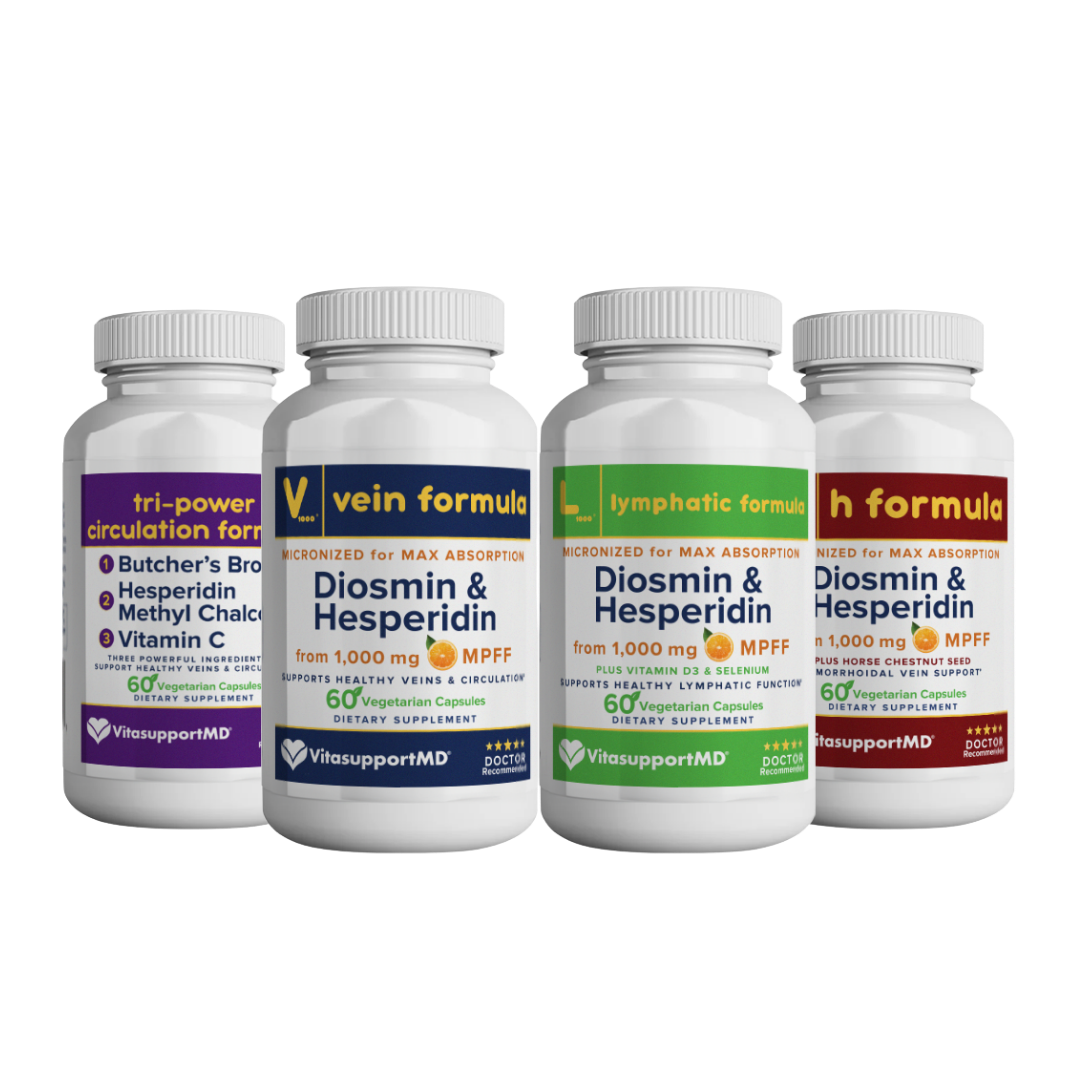
VitasupportMD's Vein Formula contains 1000 mg of Diosmin and Hesperidin from micronized purified flavonoid fraction (MPFF) per serving. Decades of research show that these bioflavonoids, found in citrus rind, support healthy vein function and circulation. For those who prefer a lower dosage or are just beginning a supplement routine, VitasupportMD's Original Vein Formula offers 600 mg of Diosmin and 67 mg of Hesperidin and is a two-month supply. Incorporating these supplements into your routine may help support the health of leg veins and overall circulation, contributing to continued comfort during the night.
Lifestyle Adjustments for Better Sleep and Flow
Implementing effective lifestyle strategies can help support both circulatory health and sleep quality.
Regular Exercise: Exercise is widely recognized as one of the most effective ways to support healthy circulation. Cardiovascular exercises such as walking, swimming, and cycling can help strengthen the heart muscle and promote efficient blood flow. Regular physical activity generally promotes better sleep, though vigorous exercise close to bedtime should be avoided as it may interfere with sleep initiation.
Optimal Environment: Creating an optimal sleep environment involves keeping the bedroom cool, dark, and quiet to promote restful sleep.
Avoiding Disruptors: Avoiding large meals, caffeine, and alcohol close to bedtime can help prevent sleep disruptions and may support better circulation during sleep.
The Importance of Hydration and Diet
Proper hydration plays a fundamental role in supporting healthy circulation. Dehydration causes blood viscosity to increase, making it more difficult for the circulatory system to transport blood efficiently. Maintaining adequate fluid intake helps ensure optimal blood flow characteristics.
In addition to drinking water, certain nutritional supplements can support fluid balance. VitasupportMD's Lymphatic Formula is designed to support healthy lymphatic function and circulation. It contains 1000 mg of Diosmin and Hesperidin from MPFF, along with Vitamin D3 and Selenium. Supporting the lymphatic system is crucial for maintaining normal fluid balance, which can influence overall comfort.
Addressing Specific Circulatory Needs
Prolonged sitting, whether at a desk or during travel, can affect circulation in the lower body and the hemorrhoidal veins. This pressure can lead to discomfort that persists into the night. VitasupportMD's H Formula combines 1000 mg of Diosmin and Hesperidin from MPFF with 300 mg of Horse Chestnut Seed Extract. This specific blend supports healthy hemorrhoidal veins and healthy circulation.
For those seeking a comprehensive approach to vascular wellness, VitasupportMD's Tri-Power Circulation Formula offers a carefully curated blend of Butcher's Broom, Hesperidin Methyl Chalcone, and Vitamin C. This premium supplement is designed to support natural circulation and maintain healthy veins.
Building a Consistent Routine
Consistency is the cornerstone of lasting resilience. Small, positive actions performed daily can add up over time, creating a foundation of strength and balance. By incorporating regular physical activity, maintaining a heart-healthy diet, managing stress effectively, and practicing good sleep habits, you can take proactive steps to support both your circulatory health and sleep quality.
These approaches work together, with improvements in one area often supporting improvements in others. Understanding how circulation affects sleep represents an important step toward enhancing overall health and wellness. By addressing circulation-related factors that may impact sleep, you can work toward achieving the restorative rest essential for optimal physical and mental health.
FAQ
1. Can poor circulation affect my ability to fall asleep? Poor circulation can contribute to sleep difficulties by causing physical discomfort and reducing oxygen delivery to the brain. This can make it more difficult for the body to transition into deep sleep stages.
2. What are the common signs that circulation might be impacting my sleep? Common signs include cold hands and feet, numbness or tingling in the limbs, and leg cramps or discomfort at night. Waking up feeling unrefreshed even after a sufficient amount of time in bed can also be an indicator.
3. Does elevating my legs really help? Yes, elevating the legs slightly during sleep may help support circulation, particularly for individuals who experience leg discomfort. This position helps blood flow back toward the heart, reducing the workload on the veins.
4. How does diet influence sleep and circulation? A diet high in processed foods and unhealthy fats can contribute to poor circulation and may disrupt sleep patterns. Conversely, a diet rich in heart-healthy nutrients like omega-3 fatty acids and antioxidants helps support blood vessel health and may contribute to improved sleep quality.
5. Is it safe to take circulation supplements daily? Most circulation supplements, such as those containing Diosmin and Hesperidin, are designed for daily use to support vascular health. However, it is always recommended to consult with your physician prior to taking any dietary supplements to ensure they are appropriate for your specific health needs.