Dr. John Chuback's Health & Wellness Blog

Your Go-To Wellness Guide

Welcome to the offical blog of Dr. John Chuback, board-certified cardiovascular surgeon and founder of VitasupportMD!

Subscribe to our Email Newsletter to not miss out on Dr. Chuback's latest blog posts!

Blog Posts

8 Ways to Live an Active Lifestyle

8 Ways to Live an Active Lifestyle

Jun 12 2024
Staying active is key to good health and well-being. It's about making exercise a regular part of your day. This article shares eight easy ways to stay active and enjoy daily movement. From setting up a workout routine to trying mind-body practices, these tips will help you stay motivated and energetic. Key Takeaways Creating a daily exercise routine helps maintain an active lifestyle. Healthy eating fuels your body with energy for activity and recovery. Stay motivated and connected by playing sports, using fitness trackers, and joining community fitness events. Living an active lifestyle means incorporating regular movement into your daily routine in ways that are enjoyable and sustainable. This can include setting up a simple exercise schedule, participating in sports or outdoor adventures, and using tools like fitness trackers for motivation. Healthy eating, active commuting, and mind-body practices like yoga or meditation also support long-term well-being and energy 1. Daily Exercise Routine Embracing an active lifestyle starts with establishing a daily exercise routine. It's not about intense workouts every day but rather about finding a rhythm that keeps you moving and fits into your schedule. Consistency is key, and even short bursts of activity can make a significant difference. Variety is the spice of life, and this holds true for your exercise regimen as well. Mixing up your activities can prevent boredom and keep you motivated. Here's a simple way to diversify your routine: Monday: Brisk walking or jogging Tuesday: Yoga or stretching Wednesday: Strength training Thursday: Cycling or spin class Friday: Pilates or core exercises Saturday: Dance class or Zumba Sunday: Rest or light activity like gardening By integrating physical activity into your daily life, you're not just burning calories; you're investing in your overall well-being.  2. Healthy Eating Habits Healthy eating is about creating a sustainable and enjoyable diet that supports your active lifestyle. Include a variety of nutrient-dense foods in your meals for a balanced mix of vitamins, minerals, and energy. Incorporate a rainbow of fruits and vegetables to get the full spectrum of nutrients; the more colors on your plate, the better. Here's a simple guide to get you started: Red: Tomatoes, strawberries, apples Orange: Carrots, sweet potatoes, oranges Yellow: Bell peppers, bananas, pineapples Green: Spinach, broccoli, avocados Blue/Purple: Blueberries, eggplants, plums Keep your meals balanced with a good mix of proteins, carbohydrates, and fats, and stay hydrated throughout the day. This way, you're not just eating well, but you're also supporting your active lifestyle with the nutrition it needs. 3. Regular Sports Participation Playing regular sports is about community, fun, and staying active. Whether it's basketball, swimming, or frisbee, find a sport you love and make it part of your weekly routine. Combining social interaction with exercise keeps you motivated. Consistency is recommended when it comes to sports participation. To help you stay on track, consider joining a local league or club where you can meet others with similar interests. Here's a simple way to get started: Find a sport that interests you. Look for local clubs or groups. Schedule regular times to play. Enjoy the camaraderie and the workout! Embrace the joy of movement and the thrill of the game. Let the energy of the group propel you forward, and watch as your active lifestyle becomes even more rewarding. 4. Active Commuting Methods Switching up your commute can add a refreshing twist to your daily routine and support your active lifestyle. Consider biking, walking, or even rollerblading to work instead of driving. Not only does this reduce your carbon footprint, but it also allows you to enjoy the outdoors and get your body moving before you start your day. Incorporate active commuting into your life gradually to make it a sustainable habit. Start with one day a week and increase as you feel comfortable. Here's a simple way to track your progress: Monday: Plan your route and prepare your gear. Tuesday: Active commute for a shorter distance. Wednesday: Reflect on the experience. Thursday: Try adding a little more distance. Friday: Reward yourself for the active week. Embrace the journey of active commuting as a step towards a more dynamic and engaging daily life. Find the balance that works for you, and enjoy the ride! 5. Fitness Tracker Utilization Using technology can revolutionize staying active. Fitness trackers aren't just gadgets; they cheer you on and keep you focused on your fitness goals. With real-time activity data, they help you understand your habits and challenge yourself in an enjoyable way. Consistency is key when it comes to staying active, and that's where fitness trackers shine. They offer reminders to move if you've been inactive for too long and celebrate when you hit your daily targets. Here's a simple way to integrate a fitness tracker into your routine: Start by setting a daily step goal. Monitor your heart rate during workouts for optimal intensity. Track your sleep to ensure you're well-rested for the next day's activities. Your efforts, no matter how small, add up to significant changes over time. 6. Outdoor Adventures Embrace the great outdoors to keep your active lifestyle vibrant and enjoyable. Exploring nature isn't just a feast for the eyes; it's a full-body workout that can invigorate your spirit and challenge your physical limits. Whether it's hiking, mountain biking, or kayaking, each activity offers a unique way to engage with the environment while promoting fitness. Consider these outdoor activities to mix into your routine: Hiking on local trails Joining a cycling club Trying out rock climbing Participating in water sports like paddleboarding So, lace up your boots, grab a water bottle, and step outside for your next adventure. 7. Community Fitness Events Engaging in community fitness events is a fantastic way to keep your active lifestyle fun and socially enriching. Joining local races, charity walks, or group workouts can not only boost your motivation but also connect you with like-minded individuals who share your passion for staying active. Networking with others at these events can lead to new friendships and provide a sense of belonging in the fitness community. Here's a quick list of common community fitness events you might find in your area: 5K runs or walks Cycling tours Yoga in the park Dance-a-thons Obstacle course races Enjoy the camaraderie and energy of group events to boost your active lifestyle. They're celebrations of health, community, and personal accomplishments. 8. Mind-Body Wellness Practices Embracing mind-body wellness practices can be a delightful way to maintain your zest for life. Incorporate mindfulness and relaxation into your daily routine to help keep your mind as agile as your body. Whether it's through meditation, yoga, or tai chi, finding a moment of tranquility in your busy day can do wonders for your overall well-being. Meditation: Take 10 minutes each day to sit quietly and focus on your breath. Yoga: Join a local class or follow an online session to stretch and strengthen your body. Tai Chi: Practice the flowing movements to enhance balance and calmness. By dedicating time to these practices, you're not just giving your body a break but also clearing your mind, which can boost your focus and productivity for the rest of the day. It's about creating a harmonious balance that supports your active lifestyle without striving for any specific health outcomes. Cheers to Feeling Awesome Here are eight great ways to add some energy to your day and keep moving. Sure vein support supplements help, but so does healthy eating and an active lifestyle. Living an active lifestyle isn't about tough workouts or marathons (unless you love them). It's about finding joy in moving every day, whether you're dancing, taking stairs, or playing with your dog. Keep it fun, keep it regular, and your body will be happy. Cheers to feeling awesome! Frequently Asked Questions How can I start a daily exercise routine if I have a busy schedule? You can start by integrating short, high-intensity workouts into your day, such as a 10-minute HIIT session in the morning or a quick walk during your lunch break. Consistency is key, so aim to set aside a specific time each day for your exercise. What are some simple changes I can make to my diet to eat healthier? Start by incorporating more whole foods, such as fruits, vegetables, lean proteins, and whole grains, into your meals. Try to reduce your intake of processed foods, sugary drinks, and high-fat snacks. Drinking plenty of water and mindful eating can also significantly contribute to healthier eating habits. Are fitness trackers really effective in promoting an active lifestyle? Fitness trackers can be a great motivational tool. They provide tangible data about your activity levels, such as steps taken, calories burned, and heart rate. They can encourage you to set and achieve goals, monitor your progress, and stay accountable.
MPFF: The Superior Diosmin Formula for Circulation Support

MPFF: The Superior Diosmin Formula for Circulation Support

Jun 04 2024
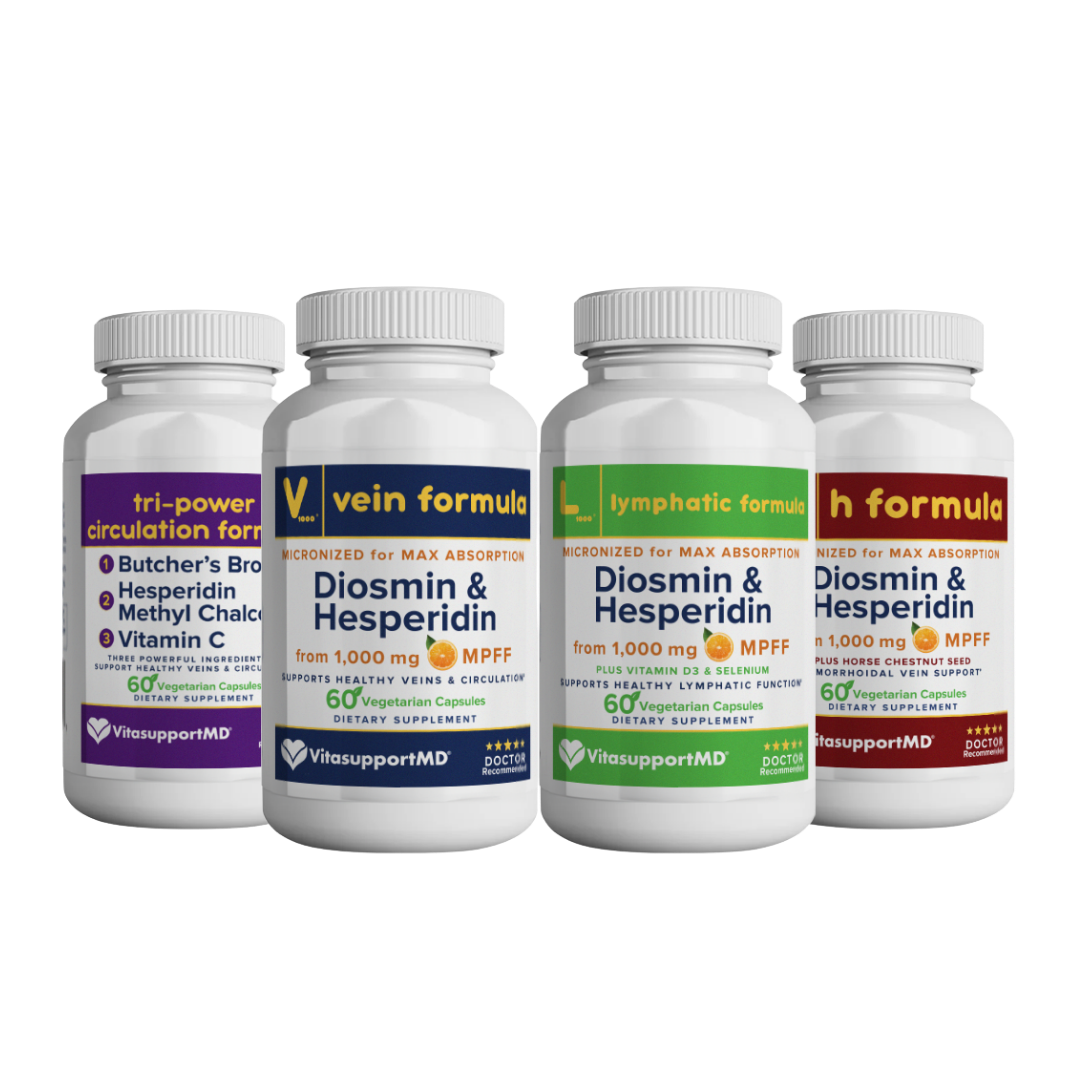
Maintaining healthy circulation is essential for overall wellness, and Micronized Purified Flavonoid Fraction (MPFF) is a premium option compared to standard diosmin supplements. Thanks to its advanced formulation and superior absorption, MPFF is widely recognized for supporting vascular health more effectively than traditional flavonoid products. Unlike ordinary diosmin supplements, MPFF undergoes a micronization process, which breaks flavonoid particles into smaller sizes, enhancing bioavailability. This means the body absorbs and utilizes MPFF more efficiently, making it a preferred choice for those seeking optimal circulatory support. Why MPFF is Superior to Standard Diosmin 1. Enhanced Absorption Through Micronization Ordinary diosmin supplements may have poor absorption, limiting their effectiveness. MPFF is micronized, meaning its flavonoids are processed into smaller particles that the body absorbs faster and more efficiently. This improves nutrient delivery, ensuring that the active ingredients work more effectively. 2. A Synergistic Blend of Bioflavonoids MPFF contains diosmin + five key flavonoids, including hesperidin, which work together to provide comprehensive vascular support. These flavonoids have been studied for their ability to promote circulation and support vein function, making MPFF a more advanced solution than single-ingredient diosmin products. 3. Scientifically Supported for Circulatory Wellness MPFF’s benefits have been widely researched, with studies highlighting its impact on circulatory health. By using a formula backed by scientific findings, individuals can feel confident that MPFF offers effective support for vascular function and overall well-being. Potential Benefits of MPFF Because the body absorbs micronized flavonoids more efficiently, users may experience more consistent circulatory support throughout the day. Whether incorporated into a daily routine or recommended by healthcare professionals, MPFF-based supplements like Vein Formula by VitasupportMD offer a reliable, high-quality option for those prioritizing vascular health with a vein health supplement. MPFF in Vein Formula by VitasupportMD Vein Formula by VitasupportMD is a premium MPFF supplement, manufactured in the United States, delivering 1000 mg of diosmin and hesperidin per serving. These bioflavonoids work synergistically to support vascular function and healthy circulation. VitasupportMD’s MPFF formulation stands out for its:✔ High-quality ingredients for optimal effectiveness✔ Micronized flavonoids for better absorption✔ Doctor-recommended formula, trusted by medical professionals As a leading choice for circulatory wellness, Vein Formula provides targeted support for individuals looking to maintain healthy veins and vascular function. Why Choose MPFF Over Ordinary Diosmin? ✅ Superior Absorption – Micronized flavonoids ensure optimal bioavailability.✅ Comprehensive Support – A multi-flavonoid blend provides enhanced effectiveness.✅ Scientifically Backed – MPFF is widely recognized for circulatory support. For those looking for high-quality flavonoid support, MPFF-based formulas like Vein Formula by VitasupportMD offer a premium solution for circulation health. Final Thoughts MPFF represents a significant advancement in circulatory wellness, offering better absorption and multi-flavonoid support compared to standard diosmin supplements. With its scientifically researched formulation and superior bioavailability, MPFF is the trusted choice for individuals looking to prioritize vascular health and well-being. FAQs 1. How is MPFF different from standard diosmin supplements?MPFF (Micronized Purified Flavonoid Fraction) includes diosmin and additional flavonoids, and it undergoes a micronization process. This may allow the body to absorb it more efficiently compared to standard diosmin supplements. 2. What does micronization do in MPFF supplements?Micronization breaks down the flavonoid particles into smaller sizes, which may support improved absorption. This process helps ensure the active ingredients are more easily utilized by the body. 3. Is Vein Formula by VitasupportMD a professional-grade option?Yes. Vein Formula by VitasupportMD is a micronized MPFF supplement that is manufactured in the USA and trusted by healthcare professionals. It may be a helpful option for those looking to support healthy vein function.  

How to Do a Digital Detox

May 20 2024
In our hyper-connected world, the constant influx of notifications and online interactions can be overwhelming, leading to a need for a digital detox. A digital detox involves stepping away from digital devices and platforms to reduce stress, improve focus, and concentrate on personal well-being. This article will guide you through the process of disconnecting in a healthy and productive manner, ensuring you can reclaim your time and attention from the digital world. Key Takeaways Understand the signs that indicate a need for a digital detox and acknowledge the benefits of unplugging from technology. Set achievable goals for your digital detox and craft a personalized plan that fits your lifestyle and commitments. Discover alternative activities to fill the void left by digital devices, manage the fear of missing out (FOMO), and track your progress to maintain motivation. Getting Started with Your Digital Detox Recognizing the Need to Take a Break In our modern world, it's easy to get caught up in the digital whirlwind. Recognizing the need to take a break is the first step towards a healthier balance with technology. Ask yourself: Are you reaching for your phone first thing in the morning? Do you find it hard to enjoy a meal without scrolling through your feed? If these scenarios sound familiar, it might be time to consider a digital detox. Awareness is key. Start by observing your daily tech habits and noting how much screen time you're actually clocking. This isn't about self-judgment; it's about self-reflection. Here's a simple way to track your usage: Log your screen time for a week. Note the times of day your usage spikes. Identify which apps you spend the most time on. Reflecting on how much time you spend with technology can help you see your habits. It's about making choices on purpose, not forcing strict rules. Once you understand your habits, you can set achievable goals for your digital break. The goal is to maintain a healthy life.  Setting Realistic Goals Starting a digital detox is like setting out on a new adventure. It's exciting, maybe a bit daunting, but ultimately rewarding. Start by setting goals that are achievable and tailored to your lifestyle. Think about what you want to accomplish with your detox. Is it to reduce screen time, improve sleep, or have more face-to-face interactions? Balance is key when setting your goals. You don't have to go from 100 to 0 overnight. Instead, consider a gradual approach: Reduce your digital usage by a certain percentage each week. Designate tech-free zones in your home. Set specific times of day when you'll disconnect. It's about making small changes that add up to a significant impact on your daily routine and making sure your goals reflect what’s important to you.  Creating a Personalized Detox Plan Once you've recognized the need to unplug and set some realistic goals, it's time to craft a detox plan that's tailored just for you. Start by identifying the digital habits you want to change; this could be anything from mindless scrolling on social media to checking emails compulsively. Next, decide on the rules for your detox. Will you go completely offline for a certain period each day, or limit specific apps and devices? It's recommended to make these decisions in advance to avoid any ambiguity that might derail your efforts. Your plan should be flexible enough to fit into your lifestyle while still challenging you to reduce your digital consumption. Here's a simple way to structure your plan: Identify the digital habits to change Set clear rules for your detox period Choose alternative activities to fill the time Prepare for challenges like FOMO Track your progress to stay motivated Remember, the goal is to support your already healthy life by giving you a break from the digital world, not to add stress. So, keep it realistic and enjoyable! Staying on Track Without Your Devices Finding Alternative Activities Once you've decided to take a break from the digital world, you need to search for fulfilling activities to fill the newfound gaps in your schedule. Engaging in hobbies that don't involve screens can be incredibly refreshing and help maintain a balanced lifestyle. Consider activities that you've always wanted to try or ones that you've neglected. Whether it's painting, gardening, or practicing yoga, these activities can provide a sense of accomplishment and joy. Exercise is a fantastic way to boost your mood and energy levels. It's not just about staying fit; it's about feeling good in your own skin. Here's a simple list to get you started: Take a brisk walk or go for a run Join a local sports team or fitness class Try out a new recipe or bake some treats Embrace this time as an opportunity to reconnect with yourself and your surroundings. It's a chance to rediscover old passions and explore new interests without the constant buzz of technology. We're not saying to give away your gadgets altogether. It's about finding a middle ground. Try these things to spend less time connected to screens and more time enjoying the real world. Dealing with FOMO The fear of missing out, or FOMO, can be a real challenge when you're trying to disconnect. It's that nagging feeling that everyone else is having a great time without you, and it can tempt you to peek at your notifications or scroll through social media. But remember, your digital detox is a time for you to recharge and focus on yourself. Acknowledge the feeling: Recognize that FOMO is natural and many people experience it. Reframe your thoughts: Instead of thinking about what you're missing, consider what you're gaining. Connect in other ways: Reach out to friends and family with a call or meet in person. Taking a break from digital devices doesn't mean you're out of the loop. It's about creating space for other aspects of your life to flourish. Embrace the quiet moments, and you might find that you're not missing out on as much as you thought.   Measuring Your Progress As you navigate your digital detox journey, keeping track of your progress is crucial. It's not just about counting the days you've been offline; it's about recognizing the changes in your daily routine and how they make you feel. Start by jotting down some notes at the end of each day. How did you spend your time? What new activities did you try? How did you feel throughout the day? This reflective practice can be incredibly rewarding and can help you understand the benefits of your digital detox. It's the small victories that often make the biggest impact. Celebrate each day you stick to your plan and each new habit you form. If you're a fan of visual aids, consider creating a simple table to log your daily achievements: Day Offline Hours New Activities Mood 1 4 Read a book Calm 2 5 Hiked a trail Energized The aim is a healthy life, not more stress. If you slip up, it's okay. Balance takes time, so be kind to yourself along the way. Conclusion We've talked about taking breaks from screens, and it's not just about giving up devices. It's about getting back our time and feeling clear-headed. Don't aim for perfect, just small steps toward balance with tech. Congrats on thinking about a break, and don't stress. Start where you are and do what you can. Here's to more real-life moments and peace. Enjoy your break!   Frequently Asked Questions What are the first steps to starting a digital detox? The first steps include recognizing the need to unplug, setting realistic goals for your detox, and creating a personalized plan that suits your lifestyle and needs. How can I find activities to replace screen time during my detox? Consider hobbies and interests that you've neglected or new ones you'd like to explore. Activities like reading, sports, cooking, or learning a new skill can be great alternatives. What can I do to handle Fear of Missing Out (FOMO) while on a digital detox? Acknowledge your FOMO and remind yourself of the benefits of your detox. Stay connected with friends and family through direct interactions, and plan social activities that don't involve digital devices.
How to Support a Healthy Aging Brain

How to Support a Healthy Aging Brain

May 20 2024
As we age, our brain's health becomes an increasingly important aspect of overall well-being. The brain, like any other organ, requires proper care. This article will present some practical strategies for supporting a healthy aging brain, focusing on two areas: nutrition and mental engagement. By adopting certain dietary habits and keeping our minds active and social, we can for sure contribute to our cognitive longevity. Key Takeaways Adding omega-3 fatty acids and healthy nutrients to your diet can protect brain cells and reduce the chance of memory loss. Engaging in lifelong learning and maintaining a rich social life are effective ways to keep the mind sharp  Moderation in consuming substances like alcohol and caffeine, combined with staying hydrated, can have a positive impact on cognitive health Fueling the Brain with the Right Foods Omega-3s: Your Brain's Best Friends Omega-3 fatty acids are good for your brain. Adding them to your diet is easy and can be enjoyable. These special fats aren't just good for your heart; they're like good fuel for your brain, helping you think better and keeping your brain healthy overall. Salmon, walnuts, and flaxseeds are just a few Omega-3-rich foods that can easily find their way into your meals. Here's a quick list to get you started: Salmon Mackerel Walnuts Chia seeds Flaxseeds Hemp seeds Keeping your brain healthy doesn't mean changing everything you eat. Just make smart, tasty choices that fit your lifestyle. It's not about being perfect; it's about making better choices more often. Next time you shop, grab some Omega-3 foods. Your brain will appreciate it!   Antioxidants: The Brain's Personal Bodyguards Think of antioxidants as the silent helpers for your brain. They're found in many different foods, and eating them is an easy way to support your brain's health. Berries, dark chocolate, and leafy greens are just a few examples of foods that are loaded with antioxidants. Here's a quick list to get you started: Blueberries Strawberries Spinach Kale Dark Chocolate Eating these foods regularly helps protect your brain from daily stress. Remember, while antioxidants are good for your brain, they're just one part of a healthy diet. Keep trying different nutritious foods to keep your brain sharp. Stay Hydrated: Water is Your Brain's Best Friend Water is essential for delivering nutrients to the brain and for removing toxins. When your body is dehydrated, your brain can't operate at its best. Imagine a well-watered garden—it's green and lively, just like your brain when you drink enough water. Hydration isn't just about drinking eight glasses of water a day. It's about listening to your body and responding to its needs. Here's a simple guide to help you stay on track: Start your day with a glass of water. Keep a water bottle handy throughout the day. Drink water before, during, and after exercise. If you're feeling tired or have a headache, try drinking some water. Staying hydrated may seem like a small thing, but it can make a big difference in how you feel and function. It's a simple, yet effective way to support your brain health as you age.   Moderation is Key: The Impact of Alcohol and Caffeine When it comes to maintaining a healthy lifestyle, moderation is necessary, especially concerning alcohol and caffeine. These substances can have a place in your routine, but it's essential to understand their effects on your well-being. Alcohol, when consumed in small quantities, might be seen as a way to unwind. However, it's important to be mindful of the quantity and frequency of your intake. On the flip side, caffeine is often hailed for its ability to kickstart the day, yet knowing when to cut off can help you sleep better at night. Limit alcohol to no more than one drink per day for women and two for men. Aim to have caffeine-free hours before bedtime to help your mind relax. Just remember, you decide what you eat and drink, and even small changes can really help keep your brain healthy as you get older. Keeping the Mind Sharp and Engaged Learning for Life: It's Never Too Late to Learn Something New! Embracing new learning opportunities can be a delightful way to keep your brain active and engaged. Whether it's picking up a new language, mastering a musical instrument, or diving into a fresh hobby, these activities can enrich your life and provide a sense of accomplishment. Keeping your mind challenged often involves stepping out of your comfort zone, but the rewards are well worth it. It's not just about the knowledge you gain; it's about the neural pathways you create and strengthen along the way. Start with something that piques your interest. Set realistic goals and celebrate small victories. Be patient with yourself; learning is a journey, not a race. By consistently introducing new concepts and skills into your routine, you're not just learning; you're keeping your brain healthy and active.   Puzzle It Out: How Brain Games Can Keep Your Mind Sharp Do you ever get really into a crossword or Sudoku puzzle? That's your brain getting a good workout, which is great for keeping your mind healthy and active. Brain teasers aren't just fun—they're like a workout for your brain. Engaging in puzzles and games that challenge your thinking can help keep your mind sharp. Think of these activities as a sort of mental gymnastics—they encourage problem-solving and strategic thinking, which contribute to maintaining cognitive health. Crosswords: develop vocabulary and memory Sudoku: Improve logic and concentration Jigsaw puzzles: improve how you understand spaces Brain training apps: Offer a variety of challenges for different cognitive skills There's no single way to keep your brain healthy, but doing brain teasers can be a fun way to help your mind stay quick and healthy. You don't have to become a chess pro right away—just enjoy giving your brain a workout often. So, pick up a puzzle and start playing! The Perks of Being Social: How Friends Help Your Brain Health You know how laughter and good conversation can leave you feeling refreshed? That's your brain thanking you for the social workout. Engaging with friends and family isn't just fun—it's a booster for your mental fitness. Just like your muscles, your brain thrives on regular interaction. Think of each conversation as a mini-gym session for your mind, with the added bonus of emotional connection. Catching up with a friend can be like a puzzle, piecing together stories and experiences. Group activities often require coordination and planning, giving your brain a strategic workout. Sharing a laugh releases endorphins, which are great for your mood and brain health. Embrace the joy of meeting new people and nurturing existing relationships. It's not just about the number of friends; it's the quality of interactions that counts.   Mindfulness and Meditation: The Art of Mental Maintenance In our busy lives, taking time for yourself might feel like a treat. But for a healthy brain, spending time in mindfulness and meditation is just as good as a good night's sleep. Practice mindfulness to keep your mind clear and balanced. Mindfulness isn't about clearing your mind of thoughts; it's about being present and aware of your thoughts and feelings without judgment.  Meditation, on the other hand, often involves concentrating on a particular object, thought, or activity to train attention and awareness. Start with just a few minutes a day, and gradually increase the time. Find a quiet space where you won't be interrupted. Focus on your breath, a word, or a mantra to guide your attention. Embracing mindfulness and meditation can be a simple yet powerful tool to support a well-functioning brain. It's about giving your mind the space to breathe and the permission to rest, even amidst a busy schedule. Conclusion Alright, we've talked about keeping our brains healthy as we get older. Remember, it's about balance and consistency. Eat well, keep your brain busy, and make sure to get good sleep and manage stress. Stay social, stay active, and keep learning – your brain will thank you. Aging happens, but with these tips, we can all aim for a sharper, happier brain as we get older.  So, let's take care of our brains and make the most of our lives! Frequently Asked Questions Can dietary changes really improve brain health as we age? Changing what you eat can really support your cognitive system. Eating foods with omega-3 fatty acids and antioxidants, and drinking enough water, can help your brain work better. Are brain games and puzzles effective in maintaining cognitive sharpness? Brain games and puzzles can be effective tools for maintaining cognitive sharpness. They stimulate the mind and can help improve memory, problem-solving skills, and overall brain function. How does social interaction contribute to a healthy aging brain? Social interaction can reduce the risk of depression and anxiety, stimulate brain activity, and help maintain cognitive functions. A rich social life encourages the sharing of experiences, emotions, and challenges, which keeps the brain engaged and active.
Understanding Your Metabolism

Understanding Your Metabolism

May 20 2024
When we talk about weight, diet, and exercise, the term "metabolism" always comes up. It's basically about how fast our body burns calories, which affects whether we gain or lose weight easily. Knowing your metabolism is important for supporting your well-being. This article looks into what metabolism does, what affects it, and how you can naturally ensure you support it. Key Takeaways Metabolism is a complex biochemical process involving enzymes and hormones that convert food into energy and regulate how that energy is used or stored. Natural methods to increase your metabolic rate include consuming certain foods, engaging in regular physical activity, getting enough sleep, and managing your stress level. The balance of calories consumed versus calories burned is central to energy balance and weight management, highlighting the importance of understanding and managing one's metabolism. Breaking Down the Basics of Metabolism What Exactly Is Metabolism? Think of your metabolism as the engine of your body, tirelessly working to convert the food you eat into the energy you need to thrive. Metabolism encompasses all the chemical processes that keep you going, from breathing to moving to growing. Metabolism isn't just about how quickly you burn calories; it's a complex network of hormones and enzymes that help break down food into usable energy. This energy isn't just for your workouts—it's the fuel for all your bodily functions, even when you're at rest. Basal Metabolic Rate (BMR): The energy used at rest to maintain vital body functions Thermic Effect of Food (TEF): Energy used to digest food and absorb nutrients Physical Activity: Energy expended through movement and exercise Your metabolism is unique to you, and influenced by factors like genetics, age, and muscle mass. It's the silent partner in your journey to a healthy life, not just a number on a scale.   The Role of Enzymes and Hormones Enzymes and hormones are the unsung heroes in the story of your metabolism. Enzymes act as catalysts, speeding up the chemical reactions in your body that convert food into energy. Without them, these processes would be too slow to meet your body's demands. On the other hand, hormones are the messengers that regulate these reactions. They ensure that everything is working in harmony, like a well-conducted orchestra. Hormones such as insulin and thyroid hormones contribute to how fast or slow your metabolism works. Think of them as a personal thermostat that controls how much energy you use. Here's a simple explanation of how these two important parts work together: Enzymes break down food into smaller molecules. Hormones signal cells to release these molecules as needed. Together, they maintain a balance of energy production and usage. Living healthy helps your body's enzymes and hormones work well, which keeps your metabolism in good shape. It's about balance and giving your body what it needs to perform its best.   Calories and Energy Balance Explained Calories measure the energy your body gets from food, which it uses for everything from basic functions to daily activities. Energy balance is a term often used when talking about weight and metabolism. It's the balance between the calories you eat and the calories your body uses. Here's a simple way to understand it: Calories in: The total calories from all the food and drinks you consume. Calories out: The total calories your body uses for basal metabolic rate (BMR), digestion, and physical activity. Maintaining a stable weight means achieving a balance between the calories in and the calories out. It's not about perfection; it's about finding what works for your lifestyle and sticking with it. If you're curious about how your own energy balance stacks up, consider keeping a food diary or using an app to track your intake and activity levels. It's a practical step towards understanding your metabolism and supporting a healthy life. Increase Your Metabolic Rate Naturally Foods That Fire Up Your Metabolism Ever wonder if what's on your plate can help support your well-oiled metabolic machinery? Certain foods can indeed play a role in maintaining a healthy metabolism. When you think about metabolism-boosting foods, protein often comes to mind. It's not just about building muscle; it's also about the energy your body expends to digest it. Foods high in protein can increase the thermic effect of food (TEF), which is the energy we use to digest food. Protein-rich foods: Chicken, fish, tofu, legumes Spicy foods: Chili peppers, cayenne pepper Whole grains: Oats, brown rice, quinoa No one food is a miracle fix, but eating a mix of different foods can help your body work better. Drinking water is important too. It can temporarily speed up metabolism, and staying hydrated keeps your body's processes running smoothly. Remember to drink water regularly! The Impact of Exercise and Activity When you think about revving up your metabolism, exercise might just be your best ally. Regular physical activity can increase the amount of energy your body uses for a while after you've stopped moving. Whether it's a brisk walk, a spin class, or weight training, each type of exercise has its own benefits for your metabolic health. Exercise isn't just about burning calories; it's also about building muscle. And the more muscle you have, the higher your resting metabolic rate will be. That means you'll burn more calories even when you're not working out. Here's how different activities can contribute to your metabolic rate: Cardiovascular exercises (running, swimming, cycling) help to increase your heart rate and burn calories quickly. Strength training (lifting weights, resistance exercises) contributes to muscle mass, which boosts metabolism over time. Flexibility and balance activities (yoga, pilates) support muscle function and can aid in recovery, keeping your metabolism steady. Consistency is key. Integrating a mix of these activities into your weekly routine can help maintain a healthy metabolism.   Sleep and Stress: The Unsung Heroes Playing pivotal roles when it comes to maintaining a healthy metabolism are sleep and stress management.  While often overlooked, getting enough quality sleep can help ensure your body has the time it needs to repair and regulate various functions, including your metabolism. Aim for 7-9 hours of sleep per night. Establish a relaxing bedtime routine. Keep your bedroom environment conducive to sleep. High stress can throw off your body's balance. Doing things to relax can help you feel better overall and keep your metabolism healthy. You can't always control what stresses you out, but you can control how you deal with it. Taking time to relax isn't just good for your mind; it's also good for your metabolism.   Practice mindfulness or meditation. Connect with friends and family. Find hobbies that relax you. Wrapping It Up: Metabolism Clarified Alright, everyone! We've explored metabolism and figured out how it works. Just remember, your metabolism is like your own special engine, affecting your health and energy. Whether you want to lose weight or feel better, paying attention to your metabolism can help. So, eat well, stay active, and take care of yourself. Until next time, stay curious and keep fueling your body right!   Frequently Asked Questions What can I do to increase my metabolic rate? To increase your metabolic rate, you can engage in regular physical activity, eat a diet rich in protein and whole foods, stay hydrated, get enough sleep, and manage stress levels. How do enzymes and hormones impact my metabolism? Enzymes play a role in chemical reactions within the body, including those that break down food into energy. Hormones such as thyroid hormones, insulin, and adrenaline regulate metabolic processes and influence how your body uses energy. Does eating small, frequent meals boost metabolism? While eating small, frequent meals can help control hunger and blood sugar levels, evidence of its effect on metabolism is mixed. It's more important to focus on overall calorie intake and the quality of food you eat.
Benefits of owning a pet

Benefits of owning a pet

May 13 2024
A pet's companionship can bring more than joy and affection into a home; it can also profoundly impact the health and social well-being of its owners. From acting as a natural stress reliever to enhancing cardiovascular health and fostering social interactions, the benefits of owning a pet are multifaceted. In this article, we delve into the various advantages that pets provide, exploring how these furry, feathered, or scaled friends can significantly improve the quality of life for their human companions. Key Takeaways Pets can significantly reduce stress and anxiety, serving as calming companions that offer unconditional love and support. Owning a pet often leads to increased physical activity, whether through walks, playtime, or other forms of exercise, contributing to better overall health. Animals can play a crucial role in building social connections, providing common ground for conversations, and creating opportunities for community engagement. Furry Friends for Better Health Stress Busters on Four Legs Imagine coming home after a long day, and there's your furry friend, wagging their tail or purring at your feet. It's not just their cuteness that melts away the stress; it's the connection you share. Pets have a way of bringing a sense of calm to our lives, just by being their adorable selves. Taking a moment to pet your furry friend can be a simple yet effective way to relax. Engaging in playful activities with your pet can distract your mind from the day's worries. The routine of pet care provides a comforting sense of responsibility and normalcy. Pets aren't just animals in our homes; they're part of the family that contributes to a lively and joyful atmosphere. Their presence can be a gentle reminder to take a break and savor the small, happy moments in life. Remember, while pets can be wonderful companions, they're not a replacement for other healthy lifestyle choices. They're an addition to your life that can support the joy and relaxation you already cultivate. Workout Buddies with Tails Having a pet can add a fun and engaging twist to your daily exercise routine. Your furry friend is always up for a walk or a game of fetch, making it easier for you to stay active and enjoy the outdoors. Pets, especially dogs, require regular physical activity, which can encourage you to stick to a consistent exercise schedule. Consistency is key when it comes to maintaining a healthy lifestyle, and pets provide just that. They don't understand the concept of a “day off” from walking or playing, which means you'll have a built-in routine that supports your active life. Take a look at what a day with your pet might look like: Morning walks to start the day with energy Playtime in the park for a fun workout Hiking trails with a loyal companion Remember, while you're keeping your pet happy and healthy, you're also doing the same for yourself by staying active and engaged.   Heart Health and Wet Noses It's not just the love that feels good; spending quality time with your pet can be a joyful addition to a lifestyle that supports heart health. Regular walks with your furry companion can encourage a more active daily routine, keeping both your spirits and your heart rate up in a fun and engaging way. Playful activities with pets, like fetch or tug-of-war, can also contribute to cardiovascular fitness. Quiet evenings with a purring cat on your lap may offer a calming end to your day, promoting relaxation. Embrace the moments of happiness pets bring into your life. Their unconditional love can be a delightful complement to your overall well-being. While pets contribute to a vibrant lifestyle, remember they're part of a larger equation involving a balanced diet, regular exercise, and adequate sleep. Cherish your bond with your pet and let it enhance your wellness journey. Social Butterflies with Paws and Claws Conversation Starters Ever noticed how your furry friend becomes the center of attention during walks or visits to the vet? Pets, especially those with the cutest whiskers, have a way of breaking the ice and sparking conversations with neighbors and fellow animal lovers. They're natural at drawing people together, creating opportunities for you to connect with others in your community. Pets can be beneficial for those who find starting conversations challenging. Here's a quick list of how your pet might help you engage with people around you: Acting as an icebreaker in new or awkward situations Providing a common interest to discuss Encouraging regular outings, increasing the chance of social interactions Remember, while your pet can be a great catalyst for conversation, the friendships you form are a testament to your social skills and the joy that animals bring into our lives.   Unleashing Social Bonds: The Magic of Dog Parks and Pet Companionship   The dog park serves as a lively hub where pet owners come together to bond over their shared love for their four-legged companions, foster friendships, and exchange pet care tips. Here, amidst laughter and wagging tails, diverse individuals connect over canine capers and shared experiences. It's an opportunity to break from routine and immerse oneself in a warm and welcoming community, where new connections await between benches and during playful games of fetch. New friendships blossom between benches. Shared tips on pet care and favorite local vets. Stories of canine capers that'll have you chuckling. Pets provide companionship and act as social catalysts, encouraging owners to engage with others and build routines that include social interaction. They serve as silent cheerleaders daily, fostering conversations and connections with fellow animal lovers during walks or vet visits. While pets enhance social lives, it's important to maintain a balance and make time for human connections as well.   Wrapping It Up: The Paws-itive Impact of Pets From boosting our mental well-being to keeping us physically active, pets are more than just cuddly companions—they're furry little life enhancers. Sure, blood circulation supplements can support a healthy heart and healthy living, but so does a furry pet. Whether it's the unwavering loyalty of a dog, the serene companionship of a cat, or the cheerful chirping of a bird, pets have a way of filling our lives with joy and purpose. Sure, they might chew up your favorite shoes or hog the bed, but the endless love and laughter they bring into our homes make every bit of pet parenthood worth it. So, if you've been on the fence about bringing a four-legged friend into your life, consider this a sign. Embrace the chaos, the cuddles, and the unconditional love! Frequently Asked Questions How can pets help reduce stress levels? Pets can provide companionship, unconditional love, and a calming presence that can help lower stress and anxiety. Activities like petting or playing with an animal can increase levels of the stress-reducing hormone oxytocin and decrease the production of the stress hormone cortisol. In what ways can pets encourage physical activity? Pets, especially dogs, require regular exercise which can motivate owners to be more active. Walking, running, or playing fetch with a pet can increase an owner's physical activity levels, leading to better overall fitness and health. Can owning a pet improve social interactions? Yes, pets can act as social catalysts. They provide opportunities to meet and interact with other pet owners, whether it's during walks, at the vet, or in pet-friendly communities. This can lead to increased social connections and a sense of community.
How much protein do I need?

How much protein do I need?

May 06 2024
Protein is a nutrient that contributes to various bodily functions, including tissue maintenance and repair. Understanding how much protein you need can be complex, as it varies based on several factors including age, gender, activity level, and specific health conditions. In this article, we delve into the basics of protein, how to determine your individual needs, debunk common protein myths, and offer practical advice on incorporating the right amount of protein into your diet. Key Takeaways Protein is a macronutrient involved in supporting the building, maintenance, and repair of tissues in the body. Individual protein requirements differ depending on age, gender, activity level, and other health conditions. Common misconceptions about protein, such as the belief that more protein always leads to more muscle, can lead to an unbalanced diet. A variety of high-protein foods and supplements can help meet dietary protein requirements, but it's important to balance protein intake with other nutrients. Listening to your body and consulting with a nutritionist can help you adjust your protein intake to suit your personal health goals and needs. Let's Talk Protein Basics What Exactly Is Protein? Protein acts as the body's foundation, aiding in the construction, upkeep, and restoration of tissues, cells, and organs. It comprises amino acids, known as the 'building blocks' of protein, and has 20 variations. Nine of these are deemed essential, necessitating intake from your diet. Histidine Isoleucine Leucine Lysine Methionine Phenylalanine Threonine Tryptophan Valine   Your body utilizes amino acids for muscle building, metabolic regulation, and immune support, among other roles. Ensuring an adequate protein intake through diet is important for supporting overall well-being. Protein facilitates the continual turnover of cells, necessary for regeneration, helping your body remain functional in daily life. Why Your Body Loves Protein Protein serves as the body's foundation, aiding in tissue repair and muscle development. It contributes to overall health, supporting various bodily functions for life's demands. Protein also contributes to the production of enzymes and hormones, assisting in the regulation of bodily functions such as digestion and metabolism. Here's a brief overview of protein's contributions to your well-being: Helps repair and build your body's tissues Allows metabolic reactions to take place Coordinates bodily functions Acts as a source of energy if needed It's all about giving your body what it needs to thrive healthily. So, when you're planning your meals, think about including a variety of protein sources to cover all the bases. Different Types of Protein Sources When it comes to fueling your body with protein, variety is the spice of life. Diversifying your protein sources can not only keep your meals interesting but also ensure you're getting a wide range of essential amino acids and nutrients. Most protein comes from either animal or plant sources, each with its own set of benefits. Animal-based proteins include meat, poultry, fish, eggs, and dairy products. They're known for being complete proteins, meaning they contain all the essential amino acids your body needs. Plant-based proteins are found in foods like beans, lentils, nuts, seeds, and whole grains. While some plant proteins are complete, many are not, which is why combining different plant-based proteins is a smart move. Remember, balance is essential. Diversifying your protein sources can promote overall health and satisfaction. Quality and integration into your routine matter, regardless of your dietary preferences. Listen to your body and select foods that align with your lifestyle.   Figuring Out Your Protein Needs Protein Requirements by Age and Gender Considering your age and gender is key to understanding your protein needs. These factors determine how much protein you should consume daily, recognizing that requirements vary with life stages. For adults, the general daily protein recommendation is a modest 0.8 grams per kilogram of body weight. However, this is just a baseline. Men typically require a bit more protein than women due to a higher average muscle mass. Here's a quick rundown to give you a clearer picture: Adult men: around 56 grams per day Adult women: about 46 grams per day Remember, these numbers are for adults with a sedentary lifestyle. If you're more active, you'll need to adjust upwards. As we age, our protein needs can increase to support muscle maintenance and overall health.  Activity Level and Protein Intake Your activity level affects your protein needs. Whether you're highly active or less so, your lifestyle determines how much protein you should consume daily. Exercise and regular physical activity ramp up your body's need for protein, as it's essential for repairing and building muscle tissue. Here's a simple way to look at it: Light to moderate activity: A little above the general recommendations. Intense training or athletics: Higher protein intake may be beneficial. It's about both the quantity and quality of protein intake. Mixing up your protein sources provides various nutrients necessary for optimal functioning. Don't forget about hydration, especially during activity. Protein Myths Busted More Protein Equals More Muscle, Right? It's a common belief that loading up on protein will automatically translate into bulging muscles. But the truth is, that muscle growth involves much more than just protein intake. Your body needs a balance of exercise, rest, and nutrients to build muscle effectively. While protein is a key player in muscle repair and growth, it's not the sole factor. Consider protein as one piece of the puzzle. To optimize muscle growth, focus on strength training and ensure you get enough calories overall. Here's a simple breakdown of what your muscles require: Adequate protein to support muscle repair Regular strength training to stimulate muscle growth Sufficient calories to fuel your workouts Rest to allow for muscle recovery Prioritize a balanced approach to fitness and nutrition to effectively build muscle and sustain a healthy lifestyle. Don't solely rely on excessive protein intake for desired results. Ensure your workout regimen and dietary choices align with your muscle-building objectives before increasing protein consumption. Always heed your body's signals—it's your most reliable indicator of progress. Is it possible to consume an excessive amount of protein? While protein is important for a healthy lifestyle, there are questions about how much is too much. Your body typically handles what it needs, but consistently exceeding those needs might put a strain on your kidneys. Balance is the operative word here. Just like any other nutrient, protein is best consumed in moderation as part of a varied diet. Here's a quick rundown of what to keep in mind: Stay within recommended dietary allowances for protein. Listen to your body's hunger and fullness cues. Diversify your protein sources to include both plant and animal options. Remember, the goal is to support your well-being, not to push your body to extremes. Moderation and variety are your best friends when it comes to protein intake.   Plant vs. Animal Protein: Is One Better? When it comes to fueling your body with protein, you've probably heard the debate: plant or animal protein? The choice isn't just about protein quality; it's also about variety and personal values. Plant proteins come from sources like beans, lentils, nuts, and whole grains. They're packed with fiber and other nutrients, making them a wholesome choice for your diet. On the flip side, animal proteins, found in meat, poultry, fish, and dairy, are complete proteins, meaning they contain all the essential amino acids your body needs. Plant proteins may require combining different foods to ensure all amino acids are present. Animal proteins typically contain more B12, an essential vitamin for nerve function. While both types of protein can support a healthy lifestyle, it's important to consider your dietary preferences and nutritional needs when making your choice. Remember, a balanced diet often includes a mix of both plant and animal proteins. It's not about one being 'better' than the other; it's about what works best for you and your lifestyle. Incorporating Protein into Your Diet Easy High-Protein Meals and Snacks Incorporating protein into your meals and snacks doesn't have to be a chore. Keep it simple and focus on whole foods to get the most bang for your buck. Here are some ideas: Greek yogurt with a handful of nuts and berries A smoothie with spinach, banana, peanut butter, and a scoop of protein powder Hard-boiled eggs paired with whole-grain toast Cottage cheese topped with sliced avocado and cherry tomatoes A turkey and cheese roll-up with a side of raw veggies Remember, it's important to find what suits you best and fits your daily routine. Healthy eating isn't one-size-fits-all, so don't hesitate to mix and match your preferred high-protein foods. These snacks aren't just for satisfying hunger; they also provide the essential building blocks for muscle maintenance and overall health. When you're short on time, grab one of these fast and convenient protein-rich options. Navigating Protein Options When you're looking to boost your protein intake, exploring different options can be a convenient choice. Selecting the right protein source might seem like navigating through a labyrinth, given the variety of choices available. Here's a brief guide to help you choose a protein option that aligns with your lifestyle: Consider your goals: Are you aiming to build muscle, lose weight, or simply ensure you're getting enough protein? Check the label: Seek products with minimal added sugars and artificial additives. Taste matters: If you don't like the taste, you're less likely to stick with it. Sample a few to find one you enjoy. Keep in mind, that additional protein sources are meant to complement your diet, not replace real food. Balance is important, and prioritizing whole food sources for protein intake is advisable. Here's a straightforward way to approach it: Your diet is the cake, and supplements are the icing on top—they can enhance what's already good, but they aren't the main event. Lastly, while protein supplements can support a healthy lifestyle, they're not a magic solution. Keep your expectations realistic and focus on a well-rounded diet to meet your nutritional needs. Balancing Protein with Other Nutrients Balancing your protein intake alongside other nutrients is important for promoting a healthy lifestyle. Carbohydrates and fats also contribute to overall nutrition, offering energy and supporting various bodily functions. Fiber, for example, is supporting your digestive health and can be found in many protein-rich plant sources. Here's a simple breakdown to keep in mind: Carbohydrates: The main energy source for your body, found in fruits, vegetables, and whole grains. Fats: Necessary for hormone production and nutrient absorption, available in nuts, seeds, and oils. Vitamins and Minerals: Important for various body processes, abundant in a wide range of foods, both animal and plant-based. Remember, a well-rounded diet is about variety and moderation. Ensuring you get a mix of all essential nutrients will help maintain your body's equilibrium. Listening to Your Body Signs You Might Need More Protein Sometimes, your body might be hinting that it could use a bit more protein to keep things running smoothly. Feeling a bit more tired than usual or finding it hard to recover after your regular workouts? It could be a sign that your protein intake needs a bump. Keep an eye out for these subtle cues: Unusual fatigue Longer recovery time post-exercise Feeling hungrier than normal Everyone's needs differ, so listening to your body is key. It's about finding balance and ensuring you're getting what you need. Balancing protein intake with other nutrients is important for overall well-being. If you're unsure how to adjust your diet, seeking advice from a nutritionist or dietitian could be beneficial.   Consulting with a Nutritionist When fine-tuning your diet to meet your protein needs, it's wise to seek guidance from a professional. A nutritionist can provide personalized advice that aligns with your lifestyle, preferences, and goals. They can help you understand how to balance protein with other nutrients, ensuring you're supporting your body optimally. Consulting with a nutritionist doesn't mean you're unwell; it's about enhancing your well-being and making informed choices. Here's what you might discuss: Your typical daily diet and eating habits Any dietary restrictions or preferences you have How to incorporate a variety of protein sources Strategies for meal planning and preparation Remember, the goal is to nourish your body in a way that feels good and fits seamlessly into your life. A nutritionist can be a valuable partner in that journey. Wrapping It Up: Your Protein Primer We've dived deep into the world of protein, and now you're pretty much a whiz on the subject. Remember, the amount of protein you need is as unique as you are, so take the guidelines we've discussed and tweak them to fit your lifestyle and goals. Whether you're a gym junkie, a casual jogger, or just someone trying to eat a bit healthier, getting the right amount of protein is key. Listen to your body, mix up your sources, and keep it balanced. Stay strong, eat well, and keep those muscles happy! Frequently Asked Questions How do I calculate my daily protein needs? Your daily protein needs depend on various factors, such as age, gender, body weight, and activity level. A general guideline for the average sedentary adult is 0.8 grams of protein per kilogram of body weight. Athletes or those with special conditions may require more protein. Can I get all my protein from plant-based sources? Yes, it's possible to get all the necessary protein from plant-based sources. However, plant proteins are often lower in certain amino acids, so it's recommended to consume a variety of plant proteins throughout the day to ensure a complete amino acid profile. How can vegetarians and vegans meet their protein requirements? Vegetarians and vegans can meet their protein requirements by consuming a variety of plant-based proteins such as legumes, nuts, seeds, whole grains, and soy products.  Should I consider adding protein to my diet through other means? Protein additions can benefit individuals who have challenges meeting their protein requirements solely through diet, like athletes or those with elevated protein needs. However, it's preferable to obtain protein from whole food sources whenever feasible and consider additions as extra assistance.
Relaxation without Screentime

Relaxation without Screentime

Apr 29 2024
In a world where digital devices dominate our daily lives, it's increasingly important to find ways to relax that don't involve screens. Our article, 'Relaxation without Screentime,' explores a variety of activities that help you disconnect from technology and reconnect with yourself and the world around you. From the simple joy of reading a book to the meditative process of crafting, we'll guide you through traditional and innovative methods to unwind and rejuvenate your mind and body without the need for electronic devices. Key Takeaways Rediscover the pleasure of immersing yourself in a physical book, and enjoy the tranquility of doing absolutely nothing. Engage with nature through gardening, camping, and mindful walking to find peace and serenity away from digital distractions. Embrace your creativity with stress-relieving activities such as painting, knitting, and tackling hands-on DIY projects. Experience the soothing power of sound through podcasts, audiobooks, and the nostalgic quality of vinyl records and nature sounds. Find relaxation in the kitchen by baking bread, slow cooking, and partaking in the calming ritual of brewing tea. Unplug and Unwind: Rediscovering Traditional Relaxation Dive into the Pages of a Good Book Picture a peaceful afternoon, a cozy corner, and a story that transports you from the daily bustle. Getting lost in a good book is a simple pleasure, offering new worlds and intriguing characters from the comfort of your chair. Reading entertains and stimulates the mind without screens. Whether mysteries, romances, or historical fiction, your next favorite book awaits. Find a cozy spot Choose a book that piques your interest Set aside uninterrupted time to read Embrace the quiet moments. Let the pages turn at their own pace, and savor each word as you would a fine wine. There's no rush, no notifications, no distractions—just you and the story unfolding before you. The Lost Art of Doing Nothing In a world that celebrates the fast-paced hustle, taking a moment to simply be can feel like a radical act. Embrace the art of stillness and discover the subtle joys of doing nothing at all. It's about allowing yourself the space to breathe, daydream, and just exist without an agenda. Sit quietly and observe your surroundings Let your thoughts wander without judgment Feel the sun on your skin or the breeze in your hair Doing nothing isn't wasted time; it's a chance to reconnect with yourself and your surroundings. It's about finding balance, not laziness. Take a break from productivity to recharge and enjoy the present moment. Puzzle Your Way to Peace Imagine a quiet evening; the only sound is the soft click of puzzle pieces fitting together. Engaging in a jigsaw puzzle is not just a test of patience and focus but also a delightful way to unwind. As you sort through shapes and colors, your mind eases into a state of flow where time and stress seem to melt away. The satisfaction of snapping the right piece into place is unmatched, and it's a gentle reminder of life's simple pleasures. Puzzles come in all forms and sizes, catering to your unique interests and challenge preferences. Here's a quick guide to get you started: Beginner: 300-500 pieces Intermediate: 500-1000 pieces Advanced: 1000+ pieces Enjoy the journey, not just the destination. Whether alone or with loved ones, solving a puzzle offers a peaceful break from screens. Piece by piece, create something beautiful and support your well-being. Nature's Embrace: Outdoor Activities for Serenity Garden Therapy: Sowing Seeds of Calm Imagine your hands in the soil, the gentle rhythm of sowing seeds, and the satisfaction of watching your garden grow. Gardening offers a unique blend of physical activity and peaceful contemplation. It's a chance to connect with nature right in your backyard, fostering a sense of accomplishment as you nurture plants from seed to bloom. Gardening is more than just the outcome; it's a meditative journey. Planting, watering, and tending can help you focus on the present. Ready to begin? Choose a spot in your yard that gets plenty of sunlight. Select seeds or seedlings of plants you'd like to grow. Prepare the soil by loosening it and adding compost if needed. Plant the seeds according to the instructions on the packet. Water regularly and watch your garden come to life. Embrace the tranquility while digging and planting. Enjoy the fresh air and sunlight as you disconnect from digital distractions. Focus on growth and renewal. It's not about perfection but the peace you nurture alongside your plants. Starry Nights: Camping Out Away from Screens Imagine a night under the open sky, the constellations twinkling above as you cozy up by the campfire. Away from the glare of screens, you're free to soak in the vastness of the universe and reconnect with nature's nocturnal beauty. The simple act of stargazing can be a grounding experience, offering a sense of perspective that's hard to find in the daily digital shuffle. Find a dark spot away from city lights Set up a comfortable spot with blankets and pillows Let your eyes adjust to the darkness Gaze upwards and let the stars capture your imagination Enjoy the peace of nightfall as you listen to nature's sounds. Relax by the fire, surrounded by wilderness. Mindful Walking: Step by Step to Tranquility Imagine stepping out your door, the fresh air greeting you like an old friend. Mindful walking is a simple yet profound way to enhance your well-being, inviting you to connect with your surroundings at a leisurely pace. It's not about the distance covered or the speed; it's about the journey. Consider these steps to get started on your mindful walking journey: Begin with a few deep breaths to center yourself. Set an intention for your walk, whether it's to find peace, enjoy nature, or simply to be. Notice the sensations in your body as you move. Observe the environment around you - the sights, sounds, and smells. If your mind wanders, gently bring your focus back to your steps. By engaging in mindful walking, you're not only supporting your physical health but also nurturing a serene state of mind. Creative Outlets: Crafting Your Way to Calm Painting and Drawing: Brush Away Stress Imagine your stress melting away as you glide your brush across the canvas, each stroke adding color to your day. Painting and drawing are not just about creating art; they're about expressing yourself and finding a moment of peace in the rhythm of your movements. Grab your paints or pencils and let your intuition guide you. There's no right or wrong here, just the freedom to explore and create. Consider the following to get started: Choose a comfortable and quiet space Select materials that feel right for you Start with simple sketches or abstract forms Let go of expectations and enjoy the process Embrace the present moment, focusing on the feel of the brush and the colors you use. Painting and drawing, whether you're experienced or new, can boost well-being and bring joy to your routine. Knit, Crochet, Sew: The Rhythm of Repetition Picture the calming repetition of needles or yarn through fabric. Knitting, crocheting, and sewing provide a meditative practice, bringing a sense of calm. Focus on patterns and stitches to unwind from screen distractions. Crafting isn't just about creating something beautiful; it's about the process. The repetitive motions can be a form of mindfulness, keeping you anchored in the moment. Here's a simple guide to get you started: Choose a project that excites you, whether it's a cozy scarf or a quirky patchwork quilt. Gather your materials, relishing the textures and colors of the yarn or fabric. Find a comfortable spot with good lighting and minimal distractions. Allow yourself to get lost in the craft, stitch by stitch, without any pressure of time. Embrace the joy of creating with your hands, and let the rest of the world fade away for a while. The act of making something tangible can be incredibly satisfying and a delightful way to spend your leisure time. DIY Projects: Engage Your Hands, Free Your Mind Engage in DIY projects to relax your mind and create something tangible. Enjoy the satisfaction of seeing your vision come to life, whether you're upcycling furniture, crafting a birdhouse, or making homemade gifts. Start with a simple project to gain confidence Gather all necessary materials before beginning Take breaks to step back and appreciate your progress Remember, the goal isn't perfection; it's about enjoying the process and the peaceful state it brings. Explore DIY projects to enrich your living space and well-being. Thread a needle, mix paint—let your hands guide, and your mind will follow. The Joy of Listening: Audio Experiences that Soothe Podcasts and Audiobooks: Stories for the Soul Envision snuggling in a blanket with tea, listening to a storyteller. Podcasts and audiobooks let you escape and travel to different worlds without leaving your home. Immerse yourself in mysteries, romances, or historical tales. Variety is the spice of life, and the same goes for your listening experiences. Here's a quick list to get you started on your auditory journey: Immerse yourself in fictional stories to escape reality Engage in non-fiction to expand your horizons Relax with soothing poetry to calm the mind Partake in captivating dramas to keep you on the edge of your seat Enjoy the simplicity of listening for relaxation and disconnecting from screens while engaging your mind. Find a cozy spot, choose a podcast or audiobook, and let the day's stress melt away as you embark on an auditory journey. Vinyl Records and CDs: The Warmth of Analog Sound Picture the needle softly crackling on vinyl, rich tones enveloping the room as you relax in your chair. Playing records or CDs is a tactile, soothing ritual unmatched by streaming. Analog sound provides comforting company during your downtime. Start by: Choosing an album that resonates with your current mood or one that brings back pleasant memories. Take a moment to appreciate the album art and liner notes as you remove the record or CD from its sleeve. Place it onto the player, and gently lower the needle or press play. Sit back, close your eyes, and let the music envelop you. Enjoy listening as a deliberate break from the digital world. Let music lead you to inner peace. It's not about nostalgia; it's about actively engaging with music. Appreciate the artistry behind your favorite tunes. Nature Sounds and Meditation Tracks: An Auditory Escape Nature sounds, and meditation tracks can transport you to tranquil forests with babbling brooks and rustling leaves, providing an auditory escape from daily life. Incorporating these sounds into your routine can be as simple as pressing play. Here's a quick guide to get you started: Choose a comfortable and quiet space where you won't be disturbed. Select a track that resonates with you; it could be ocean waves, rainforest sounds, or even a guided meditation. Set aside a specific time of day for this practice to help create a habit. Embrace sound to find calm. Whether it's nature's harmonies or guided meditation, let it gently support your well-being. The aim is not a specific state but rather allowing yourself space to be. Unwind and enjoy the tranquility soundscapes offer. Culinary Adventures: Cooking as a Form of Relaxation Baking Bread: The Comfort of Homemade Picture the scent of fresh bread, bringing warmth and comfort. Baking from scratch is a journey to basics, requiring patience and presence. Kneading becomes meditative, connecting you with the joy of creating by hand. Ingredients and measurements might be the science behind the bread, but it's the personal touch that infuses it with love. Here's a basic list to get you started: Flour Water Yeast Salt Embrace the baking process as much as the outcome. Shaping and watching the dough rise isn't just about making bread—it's crafting tranquility. Enjoy the beautiful creation that nourishes both body and soul. Slow Cooking: Savoring the Aromas and Flavors Picture your kitchen filled with savory aromas from a stew or roast cooking slowly. Slow cooking lets you relax while preparing nourishing meals effortlessly. It's more than just about taste; it's about patience and mindfulness in your routine. Enjoy the luxury of time as your dish develops flavor, allowing for reading, journaling, or simply being in the moment. Choose your recipe Prepare your ingredients Set your slow cooker Enjoy the leisure time Embrace slow cooking to unwind from daily life. It's not just about the meal; it's about the serene journey. Tea Time: The Ritual of Brewing and Sipping Savor the simple pleasure of tea time in quiet moments. Steeped in tradition, tea refreshes both mind and body. Brewing and sipping tea bring calm to busy lives, inviting contemplation with its flavors and aromas. Find your spot, a cup, and let tea preparation be meditative. Here's a simple guide to making the most of your tea time: Select your tea based on mood or time of day. Heat water to the right temperature for your chosen tea. Steep for the recommended time to unlock the full flavor. Pour and appreciate the color and scent before taking your first sip. Remember, it's not just about the beverage; it's about the experience. Let each step be an intentional part of your journey to tranquility. Conclusion Here's a wealth of ideas for relaxing without screens! From reading a novel to outdoor adventures or simply meditating, there's a world of enjoyment waiting. Disconnecting doesn't mean disconnecting from fun; it's about balance and giving your mind a break. Try these screen-free relaxation methods and find your new favorite way to chill! Frequently Asked Questions Why is it important to relax without screen time?   Relaxing without screen time is important because it allows our minds to disconnect from digital distractions, reduces eye strain, and helps us engage more deeply with the physical world, often leading to a more restful and rejuvenating experience. Can reading a physical book make a difference compared to an e-reader? Yes, reading a physical book eliminates the light emitted by screens, which can interfere with sleep patterns. It also provides a tactile experience that can be more satisfying and less distracting than using an e-reader. How does doing nothing promote relaxation? The art of doing nothing, or 'dolce far niente,' allows the mind to wander, daydream, and rest, which can reduce stress levels and enhance creativity by giving the brain a break from constant stimulation. What are the benefits of outdoor activities like gardening or camping for relaxation? Outdoor activities connect us with nature, which has been shown to lower cortisol levels, reduce blood pressure, and improve mood. Activities like gardening or camping also provide a sense of accomplishment and can improve physical health. How can creative activities like painting or knitting help with relaxation? Creative activities engage the mind in a flow state, which is both meditative and satisfying. They can also improve concentration and hand-eye coordination and provide a sense of achievement upon completion of a project. Why might listening to vinyl records or nature sounds be more relaxing than watching TV? Listening to vinyl records or nature sounds can be more relaxing than watching TV because it stimulates the auditory senses without the visual overload. This allows for a more focused and immersive experience that can encourage a peaceful state of mind.

Improving Sleep Quality

Apr 15 2024
In our fast-paced world, a good night's sleep has become a precious commodity. The quest for refreshing slumber is not just about the quantity of hours spent in bed, but the quality of those hours. Improving sleep quality can have a profound impact on your overall health, mood, and productivity. This article delves into practical steps you can take to create an environment and routine conducive to high-quality sleep, ensuring that every night is a step towards a more energized and focused you. Key Takeaways Creating a sleep-friendly environment involves managing lighting, temperature, and noise, as well as investing in a comfortable mattress and pillow. Establishing a pre-bedtime ritual that includes winding down activities, avoiding stimulants, and unplugging from digital devices can significantly enhance sleep quality. Incorporating sleep-inducing elements such as calming scents can trigger sensory cues that signal the body it's time to rest, contributing to deeper sleep. Creating a Dreamy Sleep Environment The Lowdown on Lighting When it comes to setting the mood for a good night's rest, lighting plays a pivotal role. Dimming the lights as bedtime approaches can signal to your body that it's time to wind down. Consider the type of bulbs you use as well; warmer tones tend to be more conducive to relaxation than the harsh glare of bright white lights. Ambient lighting isn't just about aesthetics; it's about creating a serene atmosphere that supports your natural sleep rhythm. Here's a quick rundown on how to tweak your lighting for better sleep: Use blackout curtains to keep your room dark at night. Install dimmer switches to easily adjust light levels. Opt for lamps with warm-toned bulbs for a cozy glow. Remember, the goal is to create an environment that feels like a tranquil retreat from the hustle and bustle of daily life. Soft lighting can help you transition into a state of calm, making it easier to drift off to dreamland. Keep It Cool: Optimal Temperature for Optimal Zzz's Ever noticed how you toss and turn on hot nights? That's because your body loves a bit of chill when it's time to snooze. Keeping your bedroom at the ideal temperature can be a game-changer for your sleep quality. Experts suggest that a cool room, typically between 60 to 67 degrees Fahrenheit, is just right for helping you drift off. Everyone's different, so find that sweet spot that makes you feel cozy but without the shivers. Temperature Tips: Experiment with your thermostat to find your comfort zone. Consider breathable bedding to avoid overheating. A fan can help circulate air and maintain a consistent temperature. Remember, a cooler room not only helps you fall asleep faster but also promotes a deeper sleep cycle. So, don't be afraid to go a bit lower on that thermostat and embrace the cool for a night of restful slumber. Silence is Golden: Blocking Out Noise Picture a peaceful sanctuary where external distractions vanish, enveloping you in tranquility. Noise, often overlooked as a sleep disruptor, can hinder deep, restorative rest. Yet, worry not; simple measures can maintain your bedroom as a serene haven. Soundproofing might sound like a project for the pros, but there are easy steps you can take to block out noise: Use thick curtains or drapes to muffle sounds from outside. Consider adding a white noise machine or a fan to drown out intermittent noises. Seal gaps around doors and windows with weather stripping or draft guards. Remember, even the faintest noise can sometimes be enough to disturb your sleep. Taking measures to minimize sound can make a significant difference in your sleep quality. Creating a silent environment doesn't have to be complicated or expensive. It's about finding the right balance that works for you, ensuring your nights are as serene as they are restful. Choosing the Right Mattress and Pillow Combo Once you've dimmed the lights and set the thermostat, it's time to turn your attention to where you'll be spending the night. Finding the perfect mattress and pillow combo is key to a restful night's sleep. Comfort is subjective, so it's important to consider what feels best for your body. Test different mattress firmness levels to see what supports your spine the best. Consider the material; memory foam, innerspring, or latex each offer different comfort features. Pillows should complement your mattress choice, providing the right elevation for your head and neck. Good mattresses and pillows support natural sleeping posture and improve sleep quality. Choose pillows based on your sleeping position—thicker for side sleepers, flatter for back or stomach sleepers. Align head, neck, and spine for comfort, similar to good standing posture. Crafting a Pre-Bedtime Ritual Decompress with a Relaxing Activity After a day filled with hustle and bustle, unwinding before bed is key to transitioning into a restful night. Engage in activities that soothe your mind and body, setting the stage for a serene slumber. Consider gentle yoga stretches, reading a chapter of a book, or sketching in your journal. These activities can help signal to your body that it's time to wind down. Relaxation isn't just about what you do; it's also about creating the right atmosphere. Dim the lights, play soft background music, or enjoy your favorite calming scent using aromatherapy oils. Here's a simple list to get you started: Gentle yoga or stretching Reading a book or listening to an audiobook Journaling or sketching Listening to calm music or nature sounds Remember, the goal is to ease into a state of relaxation, not to check another task off your list. Let this time be a peaceful retreat from your day. The Last Call for Caffeine and Heavy Meals Have you ever noticed how a late-night espresso or a heavy dinner can leave you tossing and turning? That's your body telling you it's not quite ready to hit the hay. Caffeine can linger in your system, keeping you more alert than you'd like when you're trying to wind down. And those rich, heavy meals? They require a lot of energy to digest, which can keep your body working overtime when it should be resting. Timing is everything when it comes to your pre-bedtime nourishment. Here are some quick tips to help you plan: Caffeine: Aim to have your last caffeinated drink at least 6 hours before bedtime. Heavy Meals: Finish eating at least 3 hours before you plan to sleep. Creating a routine that incorporates these suggestions can support your body's natural wind-down process, making it easier for you to embrace a restful night's sleep. Digital Detox: Powering Down Before Sleep In the hour leading up to bedtime, consider giving your gadgets a rest too. Powering down your digital devices can be a game-changer for your sleep quality. The blue light emitted by screens can trick your brain into thinking it's still daytime, making it harder to wind down. Screen time isn't just about the light; it's also about the content you consume. Stimulating games, social media, or work emails can keep your mind buzzing when you should be easing into sleep mode. Here's a simple routine to help you disconnect: Turn off all electronics at least 30 minutes before bed. Charge devices outside the bedroom to resist temptation. Read a book or journal to relax your mind. Embrace the calm that comes with a digital detox. It's a small habit that can significantly enhance the tranquility of your nighttime routine. Setting the Stage with Sleep-Inducing Scents Imagine entering a room that softly invites relaxation. Engage your sense of smell to signal your body it's time to unwind. Some scents are known for their calming effects, and including them in your evening routine can help promote a peaceful sleep. Essential oils like lavender, chamomile, and sandalwood are popular choices for their soothing aromas. Consider a few drops in a diffuser or on your pillowcase to stimulate your olfactory sense and promote a restful night’s sleep. Here's are some simple suggestions to get you started: Lavender: Known for its relaxing effects. Chamomile: Often associated with warmth and comfort. Sandalwood: May help in reducing anxiety and promoting calm. Strive for a cozy atmosphere with subtle scents. Explore fragrances that resonate with you and add a final touch to your sleep sanctuary. Wrapping It Up After delving into the realm of better sleep, remember that improvement comes from small adjustments. Try dimming lights earlier, reducing caffeine, or crafting a tranquil sleep space. Each little change can lead to sweeter dreams. Experiment with these tips and get creative with your solutions. Here's to better sleep and waking up refreshed!     Frequently Asked Questions What are the best ways to create a sleep-conducive environment? For better sleep, dim lights before bedtime, keep the room cool (60-67°F), reduce noise with earplugs or white noise machines, and choose a supportive mattress and pillow. How can I establish a pre-bedtime ritual to improve my sleep quality? A pre-bedtime ritual can include activities such as reading, taking a warm bath, or practicing relaxation techniques. Avoid caffeine and heavy meals close to bedtime, and try to limit screen time at least an hour before sleep. Introducing calming scents like lavender can also enhance your sleep routine. Is it really important to sleep in a dark room, and why? Yes, sleeping in a dark room is important because it helps to regulate your body's melatonin production, the hormone responsible for sleep-wake cycles. Exposure to light during the night can disrupt this process, leading to poor sleep quality and difficulty falling asleep.
How exercise can relieve stress

How exercise can relieve stress

Mar 28 2024
Stress affects many in our fast-paced world. Effective stress management is vital for mental and physical health. Exercise is a potent tool for reducing stress. This article explores how physical activity can ease tension and promote well-being, from releasing mood-boosting endorphins to the calming effects of rhythmic movement, helping transform stress into serenity for a balanced lifestyle. Key Takeaways Regular physical activity triggers the release of endorphins, which act as natural mood enhancers and stress relievers. Exercise promotes muscle relaxation and reduces physical tension, leading to a more tranquil state of mind. Incorporating exercise into daily routines can help build consistency in stress management and enhance overall life harmony. Sweat It Out: How Physical Activity Eases Tension The Endorphin Effect: Natural Mood Lifters Ever notice that feel-good sensation after a brisk walk or a session at the gym? That's the power of endorphins. These natural chemicals, produced by your body during exercise, are often referred to as your built-in mood lifters. They can help you feel more relaxed and optimistic after just a few minutes of physical activity. Endorphins are released during exercise, leading to a positive mood. They help reduce the perception of stress. Physical activity can be a fun way to boost your endorphin levels. Amidst life's hustle, adding exercise to your routine can uplift your mood. It's not about intense workouts; a light jog or a dance at home can boost endorphins. Find joy in movement and let those endorphins enhance your well-being. Lace up and let them elevate your day! Muscle Relaxation: From Tense to Tranquil Ever notice how a good workout can make you feel less wound up? That's because when you exercise, your muscles get a chance to work through the tension they've been holding. Your body's response to physical activity includes relaxing those tight muscles, which contributes to an overall sensation of calmness. Start with gentle stretches Progress to dynamic movements Finish with a cool-down phase Remember, the goal is to feel good in your body, allowing it to unwind at its own pace. There's no rush; it's all about supporting your well-being. Incorporating regular physical activity into your routine isn't just about staying fit; it's also a fantastic way to help your muscles release stress. Whether it's yoga, swimming, or a brisk walk, find what feels right for you and make it a part of your lifestyle. Mindfulness in Motion: Staying Present While Moving When you're on the move, whether it's a brisk walk or a dynamic dance class, staying present can transform your exercise routine into a form of moving meditation. Focus on the rhythm of your breath, the sensation of your feet touching the ground, or the wind against your skin. This practice not only supports your physical health but also nurtures a peaceful mind. Awareness is key here. By tuning into your body's movements and aligning them with your breath, you create a harmonious flow that can help to quiet the chatter in your mind. It's about finding that sweet spot where your thoughts no longer race ahead to the rest of your day or linger on past events. Embrace the moment with each stride, each stretch, and each breath. Let the simplicity of motion be your guide to inner calm. Here's a simple way to incorporate mindfulness into your routine: Start with a warm-up to get into the zone. Set an intention for your workout, something positive and personal. As you exercise, bring your attention back to your intention whenever your mind wanders. Cool down with a few minutes of deep breathing or gentle stretching, reflecting on your intention and the effort you've put in. Lifestyle Harmony: Balancing Stress with Exercise Routine Rewards: Building Consistency Incorporating exercise into your daily routine can be a game-changer for maintaining a healthy lifestyle. Consistency is key to reaping the benefits of physical activity. It's not just about the occasional intense workout; it's the regular, moderate sessions that can make a real difference in how you feel day to day. Habit formation is crucial, and here's a simple way to start: Choose activities you enjoy to avoid monotony. Set realistic goals and track your progress. Pair your workout with another daily habit to create a routine. Acknowledge the cumulative effect of small, daily efforts in achieving significant results. Incorporate activities like brisk walks or quick stretching into your routine to enhance well-being. Establish a consistent exercise schedule to make it an indispensable part of your life, akin to eating and sleeping. Notice the positive changes in stress levels and overall wellness as you adhere to this routine.   Social Sweats: Group Workouts for Support Joining a group workout can be a fantastic way to enhance your fitness journey while also tapping into a community of like-minded individuals. The camaraderie of group exercise not only fuels your motivation but also adds a layer of enjoyment to your routine. It's about sharing the highs and lows, pushing each other, and celebrating progress together. Accountability is key to maintaining a healthy lifestyle, and group workouts provide just that. You're less likely to skip a session when you know your workout buddies are counting on you. Plus, the variety of group classes available means you can mix things up and keep your workouts fresh and exciting. Monday: Kickstart the week with a high-energy spin class Wednesday: Midweek yoga to rejuvenate Friday: End the week strong with a boot camp session Remember, it's not about competition; it's about support. Group workouts are a space where everyone works towards their own goals at their own pace while being part of a collective effort.   Outdoor Escapes: Exercising in Nature's Lap When you step outside and embrace the great outdoors, you're not just changing your scenery; you're enhancing your workout experience. The fresh air, the greenery, and the open skies can invigorate your senses and add a refreshing twist to your exercise routine. Variety is the spice of life, and this holds true for your workouts as well. Exploring different trails or parks can keep your fitness journey exciting and motivating. Here's a quick list of outdoor activities that could complement your existing regimen: Hiking on nature trails Jogging in a local park Cycling along a river path Kayaking or paddleboarding on a nearby lake Connecting with nature isn't solely about physical advantages; it's about finding tranquility amidst your hectic schedule. For a well-rounded lifestyle, focus less on workout intensity and more on consistency and enjoyment. Put on your sneakers, head to your preferred outdoor spot, and let nature enhance your well-being. Wrapping It Up: Sweat the Stress Away! We've jogged through the ins and outs of how getting your move on can seriously kick stress to the curb. From the endorphin rush that acts like nature's happy pill to the zen-like state you can achieve with mindful movement, exercise isn't just about getting physically fit—it's about cultivating a chill vibe in the hustle of everyday life. Remember, whether it's a dance party in your living room, a brisk walk in the park, or pumping iron at the gym, every bit of activity counts. Stay active, stay groovy, and let's keep those good vibes rolling! Frequently Asked Questions How does exercise help reduce stress? Exercise helps reduce stress by releasing endorphins, which are natural mood lifters. It also helps in muscle relaxation, reducing physical tension, and promotes mindfulness, which can help you stay present and reduce anxiety. How often should I exercise to manage stress? The frequency of exercise can vary from person to person, but generally, it's recommended to engage in at least 150 minutes of moderate aerobic activity or 75 minutes of vigorous activity per week, along with muscle-strengthening activities on 2 or more days a week, to manage stress effectively. Can exercise be a form of meditation to relieve stress? Yes, exercise can be a meditative and mindful practice. Activities such as yoga, tai chi, and even rhythmic aerobic exercises can help you focus on your body's movements and breathing, which can be a form of mindfulness meditation and a powerful stress reliever.
The function of the venous system

The function of the venous system

Mar 28 2024
The venous system, often overlooked compared to the high-pressure dynamics of the arterial system, plays an understated role in the human body.  Beyond their primary function of returning deoxygenated blood to the heart, veins serve multiple purposes for maintaining homeostasis and overall health. This article explores the complexities of the venous system, discussing its basic function in blood transportation and its participation in other physiological processes. Key Takeaways The venous system is responsible for transporting deoxygenated blood back to the heart under low pressure, utilizing valves to prevent backflow, and collaborating with muscle contractions to facilitate venous return. Veins contribute to thermoregulation by adjusting blood flow to the skin, acting as reservoirs to regulate blood volume, and participating in the body's responses to injury and healing. Understanding the varied roles of the venous system is important for recognizing its significance in both health and well-being, emphasizing the necessity for additional research and awareness of venous conditions. The Low-Pressure Superhighway: Veins at Work Carrying the Load: How Veins Transport Blood Consider your veins as the silent champions of your body's circulation team. They tirelessly carry oxygen-depleted blood back to your heart. Unlike arteries, veins don't have as much force pushing blood through them. Instead, they depend on one-way valves and your muscle movements to help push blood upward, especially from your lower body. Think of the valves in your veins as barriers that stop blood from going the wrong way. When you're moving around, like walking or exercising, your muscles squeeze these veins, pushing blood toward your heart. It's a bit like squeezing a tube of toothpaste from the bottom up—efficient and effective. Muscle contraction compresses veins Valves open to allow blood to move towards the heart Valves close to prevent backflow Remember, keeping active is key to supporting your venous system. Regular movement encourages healthy blood flow, which is essential for maintaining your well-being.     One-Way Streets: The Role of Valves in Venous Flow Think of your veins as a bustling highway system. Just like cars on the road, your blood needs to keep moving in the right direction. That's where valves come into play. These tiny structures act like traffic signals, ensuring that blood flows toward your heart without taking any detours. Blood doesn't flow backward, thanks to these venous valves. They're the unsung heroes in your veins, snapping shut if blood tries to head the wrong way, especially when you're standing up. Open: Blood moves towards the heart Closed: Prevents blood from flowing backward Remember, a healthy venous system is key to keeping you feeling energized and ready to tackle your day. Those valves are working tirelessly, so give them a little mental 'thank you' next time you're on the move.   Teamwork with Muscles: The Venous-Muscular Pump Imagine your veins and muscles working together in perfect harmony, like a well-rehearsed dance troupe. Every time you move, your muscles squeeze the veins running through them, propelling blood back towards your heart. This is the magic of the venous-muscular pump in action. Your daily activities are vital for this system to thrive. Whether you're walking, running, or even standing up, you're helping your veins do their job. It's a natural and effortless way to support your circulatory health. Movement: Contracting muscles Effect: Compresses veins Result: Blood pushed upwards By staying active, you're not only keeping fit but also giving your veins a helping hand. Keep that blood flowing! Remember, while rest is important, too much inactivity can make it harder for your veins to move blood efficiently. So, take a moment to stretch, walk around, or simply flex your muscles throughout the day. It's a small action with a big impact on your venous health. More Than Just Pipes: The Venous System's Other Gigs Temperature Control: Veins as Radiators Ever felt your cheeks flush on a hot day or noticed your hands turning red? That's your veins working as natural radiators, helping to regulate your body temperature. When it's warm out, your veins expand, allowing more blood to flow near the skin's surface, releasing excess heat into the environment. Your veins are crucial in keeping you cool when the temperature rises. By adjusting blood flow, they ensure your body doesn't overheat, maintaining a stable internal environment. It's a bit like having built-in climate control! Temperature regulation is just one of the many silent tasks your veins take on without you even realizing it. Here's a quick look at how they adjust: Widening: Veins increase in diameter to allow more blood flow. Narrowing: Veins constrict to retain heat when it's cold. Remember, staying hydrated and dressing for the weather can support your veins in their temperature control mission. It's all about working with your body's natural mechanisms to stay comfortable, no matter the weather.     Storage Units: The Veins as Blood Reservoirs Think of your veins as the unsung heroes in the background, quietly holding onto a significant volume of your blood supply. They're like natural storage units, always ready to release blood when your body kicks into high gear during activities or when you're simply going about your day. Capacity is key here. Your veins can expand, creating a reservoir that can be tapped into whenever necessary. This flexibility ensures that you have a steady supply of blood ready to be delivered to your organs and tissues. Veins can hold up to 70% of your body's blood at rest They expand and contract based on your body's needs This system supports a healthy and active lifestyle Your veins are more than just passive conduits; they actively participate in managing your body's blood volume and maintaining equilibrium. Remember, while your heart is the pump, your veins are the adaptable storage system that helps keep everything running smoothly. It's a delicate balance that your body manages with remarkable efficiency. Healing Helpers: Veins in Wound Recovery and Care When you think about your veins, you might just imagine them as pathways for blood heading back to your heart. But they also do some extra work in helping with healing and handling swelling. Your veins play a part in keeping your body's healing going. When your body gets hurt, it responds naturally, and your venous system pitches in with other body systems to help deal with it. It's not just about fixing cuts and bruises; it's about everyday upkeep that keeps you feeling well. Remember, a well-supported venous system is a key player in your overall well-being. Here's a quick look at how your veins contribute to this process: Veins support the transport of immune cells to the injury site, which is crucial for repair initiation. They contribute to waste and excess fluid removal, leading to reduced swelling. Veins supply necessary nutrients, supporting tissue regeneration. By looking after your veins with regular exercise and a balanced diet, you're not just helping your circulation; you're also supporting your body's natural ability to heal and protect itself. For enhanced vein support, consider incorporating supplements with Diosmin from MPFF (Citrus auruntium L.) found in the Vein Formula 1000. To further support overall cardiovascular health, which includes healthy veins, look into the Tri-Power Formula which also contains Hesperidin from MPFF (Citrus auruntium L.). Additionally, supporting lymphatic drainage can also help with vein health, and the Lymphatic Formula 1000 is designed to support this:. Wrapping It Up: The Venous System's Vital Role We've journeyed through the ins and outs of the venous system, and it's clear that it's more than just a series of tubes. It's a crucial player in our body's circulatory team, working tirelessly to return deoxygenated blood to the heart, regulate blood volume and pressure, and even help out with temperature control. It's fascinating how this often-overlooked network has such a significant impact on our overall health. So, next time you're out for a run or just chilling on the couch, give a little nod to your venous system for keeping the life juice flowing just right. Stay curious, and keep pumping! Frequently Asked Questions How do veins differ from arteries in terms of blood transport?  Veins and arteries are both important for moving blood around your body, but they do different jobs. Arteries carry oxygen-rich blood from the heart to the body, while veins bring oxygen-poor blood back to the heart. Unlike arteries, veins have valves to stop blood from flowing backward because they work under less pressure. What is the venous-muscular pump, and how does it work? The venous-muscular pump happens when leg muscles squeeze veins to push blood to the heart. This is important in the legs because blood has to go against gravity. When muscles tighten, they press on the veins, and valves inside them stop blood from going backward, helping it move toward the heart. What role do veins play in temperature regulation? Veins help control body temperature by adjusting blood flow to the skin. When the body needs to cool down, veins widen to send more blood to the skin, releasing heat. Conversely, when the body needs to stay warm, veins narrow to reduce blood flow to the skin, keeping warmth inside.
Why is Diosmin and Hesperidin Important for your Body?

Why is Diosmin and Hesperidin Important for your Body?

Mar 13 2024
Diosmin and hesperidin are two natural compounds that play a role in supporting the well-being of our bodies. These bioflavonoids, derived from citrus fruits, offer a wide range of benefits. In this article, we will explore the origins and mechanisms of diosmin and hesperidin and their natural sources. What are Diosmin and Hesperidin? The Origins of Diosmin and Hesperidin Diosmin and hesperidin are natural bioflavonoids found in citrus fruits like oranges and lemons. These compounds are known for their antioxidant properties and have been used for centuries in traditional medicine. Diosmin and Hesperidin work together to support circulatory health and promote overall well-being. In addition to citrus fruits, other natural sources of diosmin and hesperidin include rutin, a plant-based compound found in buckwheat and other fruits and vegetables. These natural sources provide a convenient way to incorporate diosmin and hesperidin into your diet. It's important to note that while diosmin and hesperidin can be obtained from natural sources, some people may choose to supplement their intake with dietary supplements.  Diosmin hesperidin supplements are available in various forms, including capsules and tablets, and can be found in health food stores and online retailers. When choosing the best diosmin hesperidin supplement, it's important to consider the quality and purity of the product. Look for vein support supplements that are made from high-quality ingredients and have been tested for safety and efficacy. Table: Natural Sources of Diosmin and Hesperidin Source Diosmin Content Hesperidin Content Oranges High High Lemons Moderate High Rutin Moderate Low Note: The content of Diosmin and Hesperidin may vary depending on the source and processing methods. Tip: Consult with a healthcare professional before starting any new dietary supplement. How Do Diosmin and Hesperidin Work? Diosmin and Hesperidin work together to support your body's overall health. Diosmin is a flavonoid that helps support blood flow and blood vessel strength, while hesperidin acts as an antioxidant and anti-inflammatory agent. When combined, these two compounds have a synergistic effect, providing enhanced support for your circulatory system. The Benefits of Diosmin and Hesperidin Diosmin and hesperidin are natural bioflavonoids that benefit the body by supporting healthy blood circulation, strengthening blood vessels, and reducing inflammation. Their antioxidant properties also benefit skin health and immune function. Diosmin and Hesperidin offer a range of benefits for your body. These natural compounds have been shown to support circulatory health, skin health, eye health, and immune function. Natural Sources of Diosmin and Hesperidin Citrus Fruits: A Rich Source of Hesperidin Citrus fruits, such as oranges, lemons, and grapefruits, are packed with hesperidin, a flavonoid that offers numerous benefits. Hesperidin is known for its antioxidant properties, which help protect the body against oxidative stress and free radicals. It also plays a role in supporting a healthy circulatory system. Including citrus fruits in your diet can provide you with a natural source of hesperidin. Here are some popular citrus fruits and their approximate hesperidin content per 100 grams: Citrus Fruit Hesperidin Content Orange 43 mg Lemon 36 mg Grapefruit 28 mg Adding these fruits to your daily routine can be a delicious way to support your overall well-being. Remember, a balanced diet and a healthy lifestyle are key to maintaining good health. Rutin: A Plant-Based Source of Diosmin Rutin is a natural compound found in various plants, and it serves as a plant-based source of diosmin. Rutin is known for its antioxidant properties, which can help protect the body against oxidative stress. It is commonly found in foods such as citrus fruits, buckwheat, and apples. Including rutin-rich foods in your diet can provide you with the benefits of diosmin. Here are some examples of foods that are good sources of rutin: Citrus fruits: Oranges, lemons, and grapefruits are all rich in rutin. Buckwheat: This grain is a great source of rutin and can be used in various recipes. Apples: Enjoying an apple a day can also contribute to your rutin intake. Tip: Try incorporating these foods into your daily meals to support your overall health and well-being. Other Natural Sources of Diosmin and Hesperidin Apart from citrus fruits and rutin, there are other natural sources of diosmin and hesperidin that you can incorporate into your diet. Some of these sources include: Buckwheat: This gluten-free grain is a good source of diosmin and can be enjoyed in various dishes. Green Tea: Known for its antioxidant properties, green tea also contains a small amount of hesperidin. Red Wine: Enjoying a glass of red wine in moderation can provide a small amount of both diosmin and hesperidin. Remember, it's always best to consult with a healthcare professional before making any significant changes to your diet or starting any new supplements. Diosmin and Hesperidin Supplements Choosing the Right Diosmin and Hesperidin Supplement When it comes to choosing a diosmin and hesperidin supplement, it's important to consider a few factors. First, look for a reputable brand that uses high-quality ingredients. Reading customer reviews can also give you insight into the effectiveness of the supplement. Additionally, check the dosage and usage recommendations provided by the manufacturer. It's essential to follow these guidelines to ensure you're taking the supplement correctly. Lastly, consult with your healthcare provider before starting any new supplement regimen to ensure it's safe for you. Here are some tips to keep in mind: Look for a reputable brand Read customer reviews Follow dosage and usage recommendations Consult with your healthcare provider Remember, choosing the right diosmin and hesperidin supplement can support your overall well-being and healthy lifestyle. Dosage and Usage Recommendations When it comes to taking diosmin and hesperidin supplements, it's important to follow the recommended dosage and usage guidelines. These guidelines can vary depending on the specific supplement you choose, so it's always a good idea to read the label and consult with your healthcare provider. Here are some general tips to keep in mind: Start with the lowest recommended dosage and gradually increase if needed. Take the supplement with a meal to enhance absorption. Be consistent with your daily intake to experience the full benefits. Remember, diosmin and hesperidin supplements are not meant to cure or treat any specific condition. They are simply meant to support your overall well-being. If you have any concerns or questions, don't hesitate to reach out to your healthcare provider for personalized advice. Tip: It's always a good idea to consult with your healthcare provider before starting any new supplement regimen. The Supporting Role of Diosmin and Hesperidin  Blood Circulation Blood circulation is crucial for maintaining overall health and well-being. Good blood circulation ensures that oxygen and nutrients are efficiently delivered to all parts of the body while waste products are effectively removed. Several lifestyle habits can help improve blood circulation: Regular exercise: Engaging in physical activity, such as walking, jogging, or cycling, can help stimulate blood flow and strengthen the heart. Maintaining a healthy weight: Excess weight can put a strain on the circulatory system, so maintaining a healthy weight is important for optimal blood circulation. Avoiding prolonged sitting or standing: Sitting or standing for long periods of time can lead to poor blood circulation, so it's important to take breaks and move around. In addition to these lifestyle habits, certain foods and supplements can also help. Consuming foods that are rich in antioxidants, such as berries and leafy greens, can be beneficial. Additionally, supplements containing diosmin and hesperidin, natural compounds derived from citrus fruits, have been studied for their potential to support blood vessel health. However, it's important to seek advice from a healthcare professional before starting any new supplements. While diosmin and hesperidin supplements may offer support for circulatory health, it's essential to adopt a healthy lifestyle overall. Remember, it's important to maintain a healthy weight, exercise regularly, and avoid prolonged periods of sitting or standing for overall circulatory well-being. Diosmin and Hesperidin Support for Healthy Skin Collagen Production Collagen is a key protein that gives our skin its strength and elasticity and is essential for maintaining healthy and youthful-looking skin. While there are various factors that can affect collagen production, incorporating diosmin and hesperidin into your routine can provide support.  These powerful antioxidants help to protect collagen fibers from damage caused by free radicals.  To support collagen production and maintain healthy skin, consider incorporating diosmin and hesperidin into your daily routine. Whether through a balanced diet or dietary supplements, these natural compounds can provide the support your skin needs to stay healthy and vibrant. Protecting Against UV Damage While they are not a substitute for sunscreen or other sun protection measures, diosmin and hesperidin have been shown to support the protection of skin cells from the damaging effects of UV radiation. Additionally, research has suggested that diosmin and hesperidin may help reduce the production of reactive oxygen species (ROS) in the skin, which helps support the health and integrity of your skin. While diosmin and hesperidin can provide some support in protecting against UV damage, it's important to remember that they should be used in conjunction with other sun protection measures, such as wearing sunscreen, seeking shade, and wearing protective clothing. Skin Health Diosmin and hesperidin have also been found to have potential benefits in supporting your skin health.  These two amazing ingredients work by reducing oxidative stress, which can lead to a healthier and more vibrant complexion. To incorporate diosmin and hesperidin into your skincare routine, you can consider using skincare products that contain these ingredients. Look for products that are specifically formulated to promote overall skin health. Remember, maintaining a healthy lifestyle, including a balanced diet and regular exercise, is also crucial for supporting your skin's health. So, don't forget to take care of your skin from the inside out! Diosmin and Hesperidin Support for Immune Function Supporting Antioxidant Activity Antioxidants play a crucial role in maintaining overall health and well-being. They help protect our cells from damage caused by harmful molecules called free radicals. Diosmin and hesperidin are known for their ability to support antioxidant activity in the body. These powerful flavonoids can help neutralize free radicals and reduce oxidative stress. By doing so, they support the body's natural defense mechanisms and healthy immune system. It's important to incorporate a balanced diet rich in fruits and vegetables to enhance the antioxidant benefits of diosmin and hesperidin. These foods are naturally high in antioxidants and can further support the body's ability to fight off harmful free radicals. Remember, maintaining a healthy lifestyle is key to supporting your body's natural functions and overall well-being. Conclusion In conclusion, diosmin and hesperidin play a crucial role in supporting a healthy body. These natural compounds have been shown to have numerous benefits, including supporting blood flow health and blood vessel strength. Incorporating foods rich in diosmin and hesperidin into your diet or taking supplements can help support overall health and well-being. So, don't forget to include these powerful bioflavonoids in your daily wellness routine! Frequently Asked Questions What are the origins of Diosmin and Hesperidin? Diosmin and Hesperidin are naturally occurring bioflavonoids found in citrus fruits, particularly in the peel and pulp. How do Diosmin and Hesperidin work? Diosmin and Hesperidin work by supporting blood circulation and blood vessel health. What are the benefits of Diosmin and Hesperidin? The benefits of diosmin and hesperidin include supporting circulatory health, collagen production, and immune function. Are there natural sources of Diosmin and Hesperidin? Yes, citrus fruits such as oranges, lemons, and grapefruits are rich sources of hesperidin, while rutin, a plant-based compound, is a natural source of diosmin. How can I choose the right Diosmin and Hesperidin supplement? When choosing a diosmin and hesperidin supplement, look for high-quality brands that provide a standardized dosage of the bioflavonoids. It is recommended to consult with a healthcare professional for personalized advice.  

Foods that Boost Immunity

Mar 11 2024
In a world where health is important, supporting our immune system through diet is a noteworthy endeavor. The foods we consume contribute to our body's overall health and well-being. This article examines a variety of foods that are not only nutritious but also possess properties that can support immunity. From superfoods packed with vitamins to comforting dishes with a healthy twist, we explore how certain foods can contribute to a robust immune system. Key Takeaways Incorporating superfoods like citrus fruits, garlic, spinach, and almonds into your diet may contribute to your immune function. Comfort foods, like chicken soup and sweet potatoes, can be adapted with immune-supporting ingredients like turmeric and dark chocolate. A balanced diet rich in vitamins, minerals, and antioxidants is essential for sustaining a strong immune system and overall health. Superfoods to Supercharge Your Immune System Citrus Fruits: A Zesty Path to Wellness Citrus fruits pack a punch of vibrant flavors and are zesty companions on the journey to maintaining a robust and healthy lifestyle. Rich in vitamin C, these juicy delights are a staple in a wellness-focused diet. Citrus fruits not only tantalize your taste buds but also come with a bundle of nutrients that support your body's natural vitality. Here's a quick peek at what they offer: Vitamin C: contributes to the general well-being of your body Fiber: Aids in keeping your digestive system running smoothly Antioxidants: Help protect your cells from everyday wear and tear Enjoy the zesty taste of citrus fruits to enhance your meals. Whether a glass of orange juice at breakfast or a lemon garnish on your salad, they're a simple addition. Remember to add color and flavor to your day while supporting your body's functions. So, go ahead and squeeze a little more wellness into your life with a daily dose of citrus! Garlic: The Flavorful Guardian When it comes to supporting your well-being, don't overlook the power of garlic. This aromatic ingredient is more than just a kitchen staple; it's a friend to your body's natural defenses. Incorporate garlic into your meals to complement your healthy lifestyle. Garlic is a versatile and easy addition to a variety of dishes. Here's a simple way to include it in your diet: Crush or mince a clove of garlic. Let it sit for a few minutes to activate its properties. Mix it into your salad dressings, sauces, or marinades. Roast it to mellow its flavor and enjoy it as a side dish. Consistency is key - one clove daily could support your well-being. While garlic isn't miraculous, it's a tasty, small addition to a balanced diet. Enjoy its flavor and the satisfaction of a positive step. Spinach: Not Just for Popeye Think of spinach as your leafy green ally in supporting a healthy lifestyle. This versatile vegetable, packed with nutrients, is an easy addition to your daily meals. Whether you toss it into a smoothie or mix it into a salad, you're fueling your body with a variety of vitamins and minerals. Spinach is rich in vitamin C, fiber, and other beneficial compounds that complement a well-balanced diet. It's not just about building muscles like the famous sailor; it's about nurturing your body with wholesome foods. Vitamin C: Supports general wellness Antioxidants: Help protect cells Fiber: Aids in digestive health Remember, incorporating spinach into your diet is a simple step towards maintaining vitality. There is no need to overthink it; just enjoy the goodness of greens! Almonds: A Crunchy Shield Against Colds When you're looking to support your healthy lifestyle, don't overlook the power of almonds. These little nuts, packed with nutrients, support your well-being. Almonds are a great source of vitamin E, which helps maintain your body's natural defenses. Incorporating almonds into your diet can be both delicious and effortless. Here's a simple way to start: Snack on a handful of raw almonds between meals. Add sliced almonds to your morning oatmeal or yogurt. Mix chopped almonds into your salads or stir-fries for a satisfying crunch. Remember, small choices matter for a healthy routine. Almonds, versatile and nutritious, can be a pantry staple. Enjoy them regularly but in moderation, as part of a balanced diet.  Embrace their subtle, nutty flavor as a delightful addition to your day and a tasty ally in your wellness journey. Comfort Foods with an Immune-Boosting Twist Chicken Soup: A Hug for Your Immune System When you're feeling the need for a bit of comfort, a warm bowl of chicken soup just might be your ticket to a cozy evening. It's like a hug for your soul and a delightful way to support your healthy lifestyle. Packed with nourishing ingredients, chicken soup is a satisfying and nurturing staple. Consider the classic components that make up this beloved dish: Broth: Rich in flavor and warmth Chicken: A source of lean protein Vegetables: Loaded with vitamins and minerals Herbs: For that extra kick of taste and nutrients Remember, small joys can have a big impact on our well-being. Enjoy the comfort of chicken soup as it supports your wellness journey, nourishing both body and mind. Turmeric Latte: Sipping on Immune Support Imagine wrapping your hands around a warm mug, the aroma of turmeric mingling with the steam. A turmeric latte isn't just a comforting beverage; it's a simple pleasure that supports your vibrant lifestyle. Savor each sip as you give your body a little extra love. Start with your choice of milk, be it dairy or a plant-based alternative. Whisk in a pinch of turmeric, a dash of cinnamon, and a hint of black pepper. Sweeten with honey or maple syrup to taste. Enjoy the golden hue of this delightful drink as you relax or start your day. It's not just a beverage; it's a moment for yourself, a break in a busy day to nourish your well-being. Sweet Potatoes: The Tasty Immunity Sidekick Sweet potatoes aren't just a delicious addition to your meal; they're a fantastic ally for maintaining a robust and healthy lifestyle. Rich in vitamins A and C, these vibrant tubers support your body's natural defenses. Fiber is another superpower of sweet potatoes. It aids digestion and overall gut health, which is a key player in your immune system's well-being. Don't overlook the importance of a happy gut! Vitamin A: Essential for immune function Vitamin C: Antioxidant and immune booster Fiber: Supports gut health Embrace the natural sweetness and health benefits of sweet potatoes as part of your balanced diet. They're not just tasty; they're a smart choice for anyone looking to support their well-being. Remember, it's all about balance and variety in your diet. Sweet potatoes are just one piece of the puzzle, so keep exploring and enjoying a rainbow of foods to keep you feeling your best. Dark Chocolate: Exploring its Richness Who would have thought indulging your sweet tooth could be so rewarding? Dark chocolate isn't just a delight for your taste buds; it's also filled with beneficial compounds that bolster your body's natural defenses.  When you reach for that bar of dark chocolate, aim for one with a high percentage of cocoa—the higher, the better. Here's a quick guide to help you choose: 70% Cocoa: Rich in flavor, with a good balance of bitterness and sweetness 85% Cocoa: Less sweet, more intense chocolate experience 90%+ Cocoa: For the true dark chocolate aficionado, expect a robust and deep cocoa flavor Remember, moderation is key. A little goes a long way in adding a spark to your day and supporting your well-being. So, next time you're looking for a snack, why not reach for a piece of dark chocolate? It's a delightful way to complement your healthy habits. While dark chocolate is a delicious addition to a health-conscious lifestyle, it is important to enjoy it as part of a varied and balanced diet. Conclusion Alright, everyone! We've dished out a variety of immune-boosting foods, showing how what we eat can strengthen our body's defenses. From vitamin C-packed citrus to garlic's sniffle-fighting power, these foods aren't just fuel – they're your food armor! Remember, a colorful plate is key to staying healthy. So, add some seeds, honey, and veggies to your meals. Your immune system will appreciate it. Eat well, stay strong, and keep those illnesses at bay! Frequently Asked Questions  Can eating certain foods play a role in my immune system? Yes, certain foods contain vitamins, minerals, and other nutrients that can help support your immune system. Incorporating a variety of these immune-boosting foods into your diet can contribute to overall health and resilience against infections. How often should I eat these immune-supporting foods? It's best to include immune-boosting foods in your daily diet to support a strong and healthy immune system. Aim for a balanced diet consisting of various fruits, vegetables, nuts, and proteins to ensure you're getting a wide range of nutrients. Are there any other benefits to eating foods that support my immunity? Beyond supporting your immune system, many of these foods offer additional health benefits such as enhancing heart health and providing essential nutrients for overall well-being. A diet rich in immune-boosting foods can promote healthier skin and increase energy levels.
Benefits of walking outside

Benefits of walking outside

Mar 08 2024
Walking outside is more than just a form of physical exercise; it's a holistic activity that can enhance your health and well-being—embracing the great outdoors while walking provides a unique combination of benefits that indoor workouts can't replicate. This article delves into the numerous advantages of spending time outdoors. From the natural boost in vitamin D to the energizing quality of fresh air, stepping outside has many physical benefits. Additionally, taking a stroll in nature can positively affect mental health and provide social opportunities. Key Takeaways Exposure to sunlight during outdoor walks increases vitamin D levels, which is essential for bone health and immune function. By stepping outside, you'll be able to reduce your exposure to indoor pollutants and soak up some of the natural goodness that the great outdoors has to offer. Regular outdoor walking can alleviate stress, foster creativity, and provide opportunities for social interaction, contributing to better mental health. Fresh Air and Sunshine: Nature's Own Dynamic Duo for Wellness Boosting Vitamin D Levels Naturally Stepping outside on a sunny day isn't just about the warm glow on your skin. It's about embracing the natural way to help your body maintain its Vitamin D levels. Basking in the sunshine for a short period can be a simple yet effective method of supporting your overall well-being. Find a sunny spot Aim for short durations Enjoy the warmth Remember, moderation is key. Just a little bit of sun can go a long way. Avoid the midday intensity and opt for the gentler rays of the early morning or late afternoon. Experience the sun's gentle embrace. Let the gentle rays kiss your skin, and feel the subtle boost it brings to your day. Always consider your skin type and the local UV index to tailor your sun exposure responsibly. It's all about discovering that perfect balance between relishing the outdoors and supporting your health. Enjoying the Benefits of Clean Air When you step outside, you're not just taking a walk; you're immersing yourself in an environment that supports your well-being. Taking deep breaths of fresh air can feel rejuvenating, as if each breath is a new wave of energy for your body. It's a simple pleasure that's all too easy to overlook. Consider the gentle caress of a breeze against your skin, the subtle scents of nature that vary with the seasons, and the serenity that comes from being away from indoor confines. These sensory experiences contribute to a sense of relaxation and contentment. Enjoy the calmness that envelops you with each step. Notice the variety of sounds that replace the constant hum of electronics. Embrace the feeling of expansiveness as the sky stretches above you. During a busy day, a brief walk outside can be a refreshing interlude, offering a moment to reset and recharge. Keep in mind that while fresh air offers benefits, it's only part of a holistic approach to wellness. Prioritize balance in your life and cherish the small joys that come your way, as they are essential for your overall well-being. Step by Step to a Healthier Mind Walking Away the Stress As you lace up your sneakers and step out the door, you're not just embarking on a physical journey but also a mental one. Walking is a simple yet powerful tool for maintaining a serene state of mind amidst the hustle and bustle of daily life. It's a chance to let your thoughts wander away from the noise and into the calm. Stress can sneak up on us in the quietest ways, but a regular walk in the open air is like hitting the reset button. Here's a quick list of what you might experience during your stroll: A sense of calm as you leave your worries on the pavement A rhythmic pace that helps soothe your mind The gentle distraction of nature's details, from the rustling leaves to the cheerful chirping birds Connect with nature's pace; it's all about patience. A walk should be enjoyed step by step, not rushed just to reach a destination. Remember, it's not about how far or fast, but the peace it brings. So, take a deep breath, feel the breeze, and let your walk be a calm break in your day. Creative Thoughts on the Go As you meander through the park or stride along the city streets, you might find that your best ideas seem to flow more freely. Walking is not just a physical exercise but a journey for the mind as well. It's a time when the brain can wander, ponder, and play without the usual interruptions. The rhythmic pace sets a backdrop for brainstorming New environments stimulate fresh perspectives Solitude offers a rare chance for introspection Take the opportunity to let your mind wander. The simple act of walking can be a catalyst for creativity, providing a change of scenery that often leads to a change in thinking. Remember, the goal isn't to force creativity but to create a space where it can surface naturally. So, next time you're out for a stroll, let your mind wander and watch the magic happen. The Social Side of Strolling While you're out there taking in the sights and sounds, remember the joy of sharing the experience with others. Walking with friends or joining a walking group can make the time fly by and strengthen your social connections. It's a chance to catch up, share stories, and enjoy the company of others, all while keeping active. Community walks are a fantastic way to meet new people who share your interest in staying healthy and active. Here's a quick list of benefits you might find when you walk socially: Form new friendships and strengthen existing ones Increased motivation to stick with your walking routine Shared experiences and discoveries Remember, walking with friends or in a group can turn a simple stroll into a memorable adventure, fostering a sense of belonging and community. So, next time you lace up your sneakers, consider inviting a neighbor or joining a local walking club. You'll be surprised at how much more enjoyable your walks can be when shared. Conclusion So, stepping outside for a walk isn't just about fresh air—it's a feast for your well-being. From lifting your mood to boosting heart health, walking outdoors is a health game-changer. It's also a great way to get vitamin D and enjoy nature. Whether brisk or leisurely, every step matters. Lace up, hit the trail, and treat your body and mind. Happy walking! Frequently Asked Questions How does walking outside boost Vitamin D levels? Walking outside exposes your skin to sunlight, which triggers Vitamin D production in your body. Vitamin D is essential for bone health, immune function, and overall well-being. What are the mental health benefits of walking outdoors? Walking outdoors can significantly reduce stress and anxiety levels. It promotes relaxation, enhances mood, and can improve creativity and focus by providing a change of scenery and stimulating the senses. Can walking outside improve social connections? Yes, walking outside can be a social activity. Joining walking groups or simply strolling with friends or family can strengthen social bonds, encourage conversation, and provide a sense of community. Discover the joys of outdoor walks! With every step, you can boost vitamin D, breathe fresh air, ease stress, and spark creativity.
the importance of selenium in a healthy diet

The Healthy Importance and History of Selenium

Feb 23 2024
Selenium is an essential trace mineral that plays a crucial role in supporting overall health and well-being. Although the body requires only small amounts, it helps support thyroid function, immune system health, and antioxidant defense. Historically, selenium was not recognized as an essential nutrient until the mid-20th century. Before that, it was primarily known for its industrial applications and was even considered toxic. However, extensive research has since uncovered its importance in human nutrition and its vital role in maintaining several biological functions. The History of Selenium in Human Health The Discovery of Selenium Selenium was first identified as a chemical element in 1817 by Swedish chemist Jöns Jacob Berzelius. While analyzing the byproducts of sulfuric acid production, he observed a previously unknown element with properties similar to tellurium. He named it selenium, derived from the Greek word Selene, meaning "moon." Initially, selenium was considered toxic due to its industrial uses in glassmaking, electronics, and pigments. However, by the mid-20th century, scientists began to recognize its biological significance. Key Milestones in Selenium Research: ✔ 1957 – Selenium was identified as an essential nutrient in animals.✔ 1970s-1980s – Studies confirmed its role in antioxidant defense, thyroid health, and immunity.✔ Present Day – Ongoing research explores selenium’s role in heart health, cognitive function, and overall well-being. While early concerns about selenium toxicity were valid in cases of excessive exposure, it is now well understood that in appropriate amounts, selenium is a vital nutrient that can help support several bodily functions. The Importance of Selenium in the Diet Antioxidant Properties & Cellular Protection Selenium is a key component of glutathione peroxidase, an enzyme that can help support the body's ability to manage oxidative stress. ✔ Helps neutralize free radicals, which may damage cells✔ Works alongside vitamin E to help support antioxidant activity✔ Can help promote overall immune function Thyroid Function & Hormone Regulation The thyroid gland contains one of the highest concentrations of selenium in the body. Selenium is essential for converting thyroxine (T4) into triiodothyronine (T3), the active form of the thyroid hormone. ✔ Helps regulate metabolism and energy levels✔ Works with iodine to maintain thyroid balance✔ Can help support hormonal function Immune System Support Adequate selenium intake can help support immune function by promoting the activity of white blood cells and other immune components. ✔ Helps support immune response in times of stress✔ Plays a role in cellular repair and defense mechanisms Heart & Brain Health Selenium may help support cardiovascular function by promoting healthy circulation. Its antioxidant properties are also being studied for their potential role in brain function and cognitive health. ✔ May help support circulatory balance✔ Plays a role in memory and cognitive well-being How to Get Selenium in Your Diet Since the body does not produce selenium, it must be obtained through dietary sources. Top Selenium-Rich Foods Animal-Based Sources: ✔ Seafood – Tuna, shrimp, salmon, and sardines contain selenium.✔ Eggs – A convenient source of selenium along with protein.✔ Poultry – Chicken and turkey contain moderate amounts of selenium. Plant-Based Sources: ✔ Brazil Nuts – The richest natural source of selenium (should be eaten in moderation). ✔ Mushrooms – Shiitake and white button mushrooms contain selenium.✔ Spinach – A nutrient-dense green with selenium and other minerals.✔ Sunflower Seeds – Provide selenium along with vitamin E.✔ Whole Grains – Brown rice, oats, and whole wheat contain selenium. Selenium Bioavailability: Food vs. Supplements Selenium is available in many dietary sources, but its absorption and effectiveness depend on the form in which it is consumed. The body can obtain selenium from both natural food sources and dietary supplements, though absorption rates may vary. Selenium in Food The bioavailability of selenium from whole foods is generally high, meaning the body can efficiently absorb and use it. ✔ Found in nuts, seafood, meats, eggs, dairy, and whole grains✔ Absorbed alongside other nutrients for optimal utilization✔ Soil quality affects selenium levels in plant-based foods Selenium in Supplements Supplements are available in various forms for individuals who may not get enough selenium through their diet.  ✔ Provides a concentrated source of selenium✔ Available in different forms to suit dietary needs✔ Can be beneficial for those with dietary restrictions or specific health concerns Diet vs. Supplementation: Which Is Better? For most people, obtaining selenium through a balanced diet is ideal, as whole foods provide additional nutrients that help optimize selenium’s function. However, supplementation may be useful in cases where dietary intake is insufficient, such as in regions with low-selenium soil, restrictive diets, or specific health conditions. Consulting a healthcare professional before adding selenium supplements is always recommended. Frequently Asked Questions (FAQ) About Selenium 1. What is Selenium in Food? Selenium is a trace mineral found naturally in many foods, including nuts, seafood, poultry, eggs, and whole grains. 2. What Foods Have Selenium in Them? The richest sources include Brazil nuts, tuna, eggs, mushrooms, and whole grains. 3. How Can I Get More Selenium in My Diet? ✔ Include selenium-rich foods in daily meals.✔ Choose whole, unprocessed foods for better nutrient absorption. 4. Are There Vegetables High in Selenium? Yes, mushrooms, spinach, and sunflower seeds contain selenium Conclusion Selenium is an essential nutrient that can help support antioxidant function, thyroid health, immune response, and overall well-being. By incorporating selenium-rich foods into your diet, you can help maintain optimal levels naturally.  
Importance of Micronization

The Importance of Micronization

Feb 01 2024
Micronization is a specialized process used to reduce the size of particles to the micron scale. This technique is widely applied across different industries, including nutraceuticals, food and beverages, and cosmetics. By altering particle size, micronization can help support improved solubility, bioavailability, product stability, and texture. Understanding the role of micronization in these industries provides insight into how this process can influence product formulation, performance, and overall consumer experience. Key Takeaways Micronization is the process of reducing the size of particles to micrometer dimensions. It is widely used in the nutraceutical, food, and cosmetic industries to influence solubility, stability, texture, and uniformity. Various micronization techniques, including jet milling, ball milling, fluid energy milling, and cryogenic milling, offer different advantages depending on the material and intended application. Adjusting particle size may contribute to product consistency, effectiveness, and overall performance. What Is Micronization and Why Is It Important? Micronization is a mechanical process designed to reduce the size of solid particles. The goal is to create smaller, more uniform particles, which may influence how substances interact with liquids, air, or biological systems. This technique is used in various industries to help enhance solubility, bioavailability, and the uniform distribution of ingredients in products. How Micronization Works Micronization involves mechanical methods that break down particles into finer sizes. These processes can vary based on the material being treated and the desired outcome. The main micronization techniques include: Jet Milling – Uses high-speed compressed air or steam to break down particles. Ball Milling – Employs rotating chambers filled with grinding media to reduce particle size. Fluid Energy Milling – Utilizes high-speed gas jets to create fine, uniform particles. Cryogenic Milling – Uses liquid nitrogen to freeze and fracture materials without heat-related degradation. Each method provides specific advantages, making micronization a flexible solution for achieving targeted product characteristics. Applications of Micronization in Different Industries Micronization in the Nutraceutical Industry In the nutraceutical sector, micronization plays a role in optimizing ingredient properties. This process can help support solubility, bioavailability, and overall stability in various formulations. Micronized Purified Flavonoid Fraction (MPFF) supplements are specially formulated using micronization to enhance the absorption and effectiveness of flavonoids like diosmin and hesperidin supplements or other blood circulation supplements.  Supporting Solubility The solubility of a substance determines how well it can dissolve in a liquid medium. Reducing particle size can help increase surface area, which may contribute to improved dissolution rates in some formulations. This could be particularly useful for substances with low inherent solubility. Optimizing Bioavailability Bioavailability refers to how effectively a substance is absorbed and utilized by the body. Micronization is one of the techniques used to help support absorption by modifying surface area and particle distribution. Some formulations may also incorporate encapsulation techniques alongside micronization to improve ingredient stability and permeability. Maintaining Stability Reducing particle size may also help improve the stability of some formulations by minimizing degradation caused by oxidation, moisture, or chemical reactions. This can be particularly relevant for sensitive ingredients that require protection to maintain their integrity over time. Ensuring Uniformity in Particle Distribution Consistent particle size distribution is an important factor in product formulation. Micronization techniques help achieve uniformity, which can contribute to consistent dosing and product performance. Micronization in the Food and Beverage Industry The food and beverage industry employs micronization to help refine texture, enhance flavor distribution, and support ingredient stability. Enhancing Texture and Flavor Release Reducing particle size can contribute to a smoother texture in various food products. Micronized ingredients can also help support flavor dispersion, ensuring a more uniform taste experience. Supporting Shelf Stability Micronization may contribute to extending shelf life by reducing moisture content and minimizing exposure to external factors that can degrade ingredients. This could be beneficial in powdered food formulations, where maintaining freshness is a priority. Minimizing Ingredient Clumping Powdered food and beverage products often require uniform consistency. Micronization techniques, such as jet milling and ball milling, help refine ingredient distribution, reducing the likelihood of clumping and improving texture. Promoting Uniformity in Powdered Products Powdered formulations benefit from micronization by achieving a fine and even consistency. This can enhance the overall consumer experience by making products easier to mix, dissolve, or apply. Micronization in the Cosmetics Industry Cosmetic formulations utilize micronization to influence texture, absorption, and color dispersion. By refining particle size, this process contributes to product uniformity and application ease. Enhancing Product Application and Performance Smaller particle sizes can help contribute to a more lightweight and smooth application, particularly in foundations, powders, and skincare products. This may allow for better adherence to the skin and a more natural finish. Supporting Skin Absorption Micronized particles in skincare formulations may facilitate improved interaction with the skin’s surface. This can help support the even distribution of active ingredients across the skin, allowing for a more uniform application. Refining Texture and Blending A finer texture can contribute to the smooth application of cosmetics. Micronization helps achieve this by refining powder consistency, which may enhance blending and overall product performance. Improving Color Dispersion In cosmetics, even pigment distribution is essential for achieving vibrant, consistent color. Micronized pigments can help ensure smoother application, reducing streaking or patchiness in products such as eyeshadows and blushes. Challenges in Micronization While micronization provides significant benefits, there are challenges associated with the process. Equipment Costs – Advanced micronization techniques often require specialized machinery, which can be costly to maintain. Process Control – Achieving precise particle sizes requires careful monitoring and adjustment of milling conditions. Material Sensitivity – Some substances are sensitive to heat or pressure, requiring specialized techniques such as cryogenic milling to prevent degradation. Despite these challenges, micronization remains a widely used process due to its ability to refine product characteristics and improve formulation outcomes. Conclusion Micronization is a versatile process that plays a significant role in various industries, including nutraceuticals, food and beverage, and cosmetics. By refining particle size, this technique can help support solubility, stability, texture, and uniformity. Different micronization methods, such as jet milling, ball milling, fluid energy milling, and cryogenic milling, offer specific advantages based on material needs. As technology continues to advance, micronization is likely to remain an essential tool for optimizing ingredient performance, ensuring product consistency, and enhancing consumer experience.
Tips for Improving the Absorption of Vitamins

Tips for Improving the Absorption of Vitamins

Feb 01 2024
The absorption of vitamins is a crucial aspect of overall health, but many people are unaware that how the body absorbs vitamins can influence their effectiveness. From the type of vitamins you consume to the foods and habits that may aid or hinder their absorption, there’s much to consider in optimizing your nutrient intake. In this article, we’ll explore practical tips and lifestyle changes that can help support better vitamin absorption. Understanding Vitamin Absorption  Before diving into the tips, it's important to understand what vitamin absorption means. Absorption refers to the process through which vitamins from food or supplements enter the bloodstream and make their way to the organs that need them. Various factors can influence how well the body absorbs nutrients, including the form of the vitamin, the timing of consumption, and individual lifestyle habits. Fat-Soluble vs. Water-Soluble Vitamins Understanding the difference between fat-soluble vitamins (A, D, E, and K) and water-soluble vitamins (C and B-complex) is essential for optimizing absorption. Fat-soluble vitamins require the presence of dietary fat to be absorbed effectively, while water-soluble vitamins may need regular replenishment due to their rapid excretion. Factors Affecting Absorption  Age, health conditions, medications, and digestive efficiency can all impact how well vitamins are absorbed. Consuming Vitamins with the Right Foods Certain foods can help support the absorption of vitamins, especially fat-soluble ones. Combining specific nutrients with meals may enhance the body’s ability to absorb vitamins more efficiently. Healthy Fats for Fat-Soluble Vitamins Incorporating sources of healthy fats, such as avocado, olive oil, or nuts, with meals can help support the absorption of fat-soluble vitamins. These fats help facilitate the vitamin's movement through the digestive system. Pairing Vitamin C with Iron Consuming vitamin C-rich foods like citrus fruits or bell peppers alongside iron-rich foods, such as spinach or lean meats, can help support the absorption of non-heme iron, a type of iron found in plant-based foods. Vitamin D and Calcium  Vitamin D is essential for supporting calcium absorption. Consuming vitamin D-rich foods, such as fatty fish or fortified products, with calcium sources like dairy can help optimize both nutrients. Timing Matters: When to Take Vitamins  The timing of when you take vitamins can also play a role in absorption. Certain vitamins are better absorbed when taken at specific times or with specific meals. Fat-Soluble Vitamins with Meals  As mentioned earlier, fat-soluble vitamins are best absorbed when taken with meals that contain healthy fats. Taking them on an empty stomach may reduce their effectiveness. Morning vs. Evening  Some vitamins may be better absorbed or more effective when taken at specific times of the day. For instance, B vitamins, which support energy metabolism, are often recommended in the morning to help promote energy throughout the day. On the other hand, magnesium may be more beneficial when taken in the evening to help support relaxation. Avoiding Over-Supplementation  It’s also essential to avoid taking high doses of multiple vitamins or minerals at once, as this may interfere with absorption. Spacing out supplements can help the body absorb them more effectively. Addressing Digestive Health for Better Absorption The state of your digestive health can significantly affect how well your body absorbs vitamins. A healthy gut is essential for nutrient absorption, and certain habits or conditions may impair the process. Gut Health and Nutrient Absorption  A balanced gut microbiome is crucial for supporting nutrient absorption. Probiotics and fiber-rich foods can help maintain a healthy gut flora, which can aid digestion and absorption. Digestive Enzymes  Digestive enzymes, which are naturally produced in the body, break down food into absorbable nutrients. However, some people may benefit from enzyme supplements to help support digestion and absorption, particularly if they have conditions like IBS or lactose intolerance. Hydration Staying hydrated is essential for maintaining a healthy digestive system. Adequate water intake can help move nutrients through the digestive tract and promote the optimal function of digestive enzymes. Managing Medications and Supplements Some medications and supplements can interfere with vitamin absorption, while others may aid in it. It's important to be mindful of interactions when taking vitamins. Medications that Can Affect Absorption Certain medications, such as antacids, diuretics, and antibiotics, may interfere with the absorption of key vitamins and minerals. If you are on long-term medication, it’s worth consulting a healthcare provider to determine if supplementation is necessary. Vitamin and Mineral Interactions Some vitamins and minerals may compete for absorption. For instance, high doses of calcium can inhibit the absorption of magnesium. Understanding these interactions can help optimize nutrient intake. The Role of Supplements While a well-balanced diet should be the primary source of vitamins, supplements can play a role in supporting nutrient intake. However, supplements should be taken carefully to avoid exceeding recommended doses or causing imbalances. Avoiding Factors That Can Hinder Absorption  Several lifestyle factors can hinder the absorption of vitamins, from unhealthy eating habits to environmental stressors. Being mindful of these factors can help support optimal absorption. Excessive Alcohol Consumption Chronic alcohol consumption can impair the absorption of several key vitamins, including B vitamins, vitamin C, and folate. Moderation is key to supporting overall health. Smoking  Smoking can reduce the absorption of certain vitamins, particularly vitamin C, which plays a role in antioxidant defense and immune support. Quitting smoking or minimizing exposure can help support vitamin absorption. Excessive Fiber  While fiber is essential for digestion, consuming it in excessive amounts can sometimes inhibit the absorption of certain vitamins and minerals, such as calcium, magnesium, and iron. Ensuring Optimal Vitamin Absorption Through Lifestyle Adjustments Lifestyle factors such as regular exercise and stress management also play a role in optimizing vitamin absorption. Exercise and Absorption  Regular physical activity can support digestive health, improve blood circulation, and reduce stress, all of which can contribute to better absorption of vitamins and nutrients. Managing Stress  Chronic stress can interfere with digestion and nutrient absorption. Stress management techniques, such as meditation, yoga, or deep breathing, can help create a more balanced environment for optimal vitamin uptake. Sleep and Recovery  Ensuring that you get enough restful sleep supports overall health and can contribute to better nutrient absorption. Sleep helps regulate metabolism and the production of enzymes required for digestion. Conclusion  In conclusion, supporting vitamin absorption involves a combination of factors, from the foods you eat to your overall lifestyle choices. By paying attention to your eating habits, timing, and gut health, you can help support the body’s ability to absorb vitamins effectively. Additionally, maintaining a balanced lifestyle with proper hydration, exercise, and stress management can help optimize absorption, ensuring that your body gets the most out of the nutrients you consume. Remember, each person’s nutritional needs may vary, so it’s essential to consult with a healthcare provider before making significant changes to your diet or supplement regimen. Frequently Asked Questions (FAQ) 1. What factors affect vitamin absorption? Several factors can influence how well your body absorbs vitamins, including the form of the vitamin, the presence of other nutrients, and digestive health. For example, fat-soluble vitamins (A, D, E, and K) require dietary fat for optimal absorption. Additionally, certain health conditions, medications, and lifestyle factors, such as stress, hydration, and gut health, can impact nutrient uptake. Ensuring a balanced diet, consuming vitamins with the appropriate foods, and maintaining good digestive health can help support absorption. 2. Is it better to take vitamins with food or on an empty stomach? The best time to take vitamins depends on the type of vitamin. Fat-soluble vitamins (A, D, E, K) are typically better absorbed when taken with meals that contain healthy fats. Water-soluble vitamins (such as vitamin C and B-complex) can generally be taken on an empty stomach for optimal absorption. However, taking vitamins with food may help reduce the risk of stomach discomfort, especially for those with sensitive digestive systems. 3. How can I improve the absorption of iron from plant-based foods? To enhance the absorption of non-heme iron (the form of iron found in plant-based foods), it's helpful to consume it alongside vitamin C-rich foods. Vitamin C can help support the body’s ability to absorb iron more effectively. For example, pairing foods like spinach (iron) with bell peppers or citrus fruits (vitamin C) can aid in absorption. Avoid drinking coffee or tea with meals, as they may inhibit iron absorption. 4. Does age affect vitamin absorption? Yes, age can influence how well the body absorbs vitamins. As people age, changes in digestive efficiency, enzyme production, and the gut microbiome may reduce the absorption of certain nutrients. For example, older adults may have a reduced ability to absorb vitamin B12 from food. Therefore, it may be necessary for older individuals to pay closer attention to their diet and consider supplements to support nutrient absorption, though it's always recommended to consult with a healthcare professional. 5. Can taking too many vitamins affect absorption? Taking excessive amounts of certain vitamins, especially minerals and fat-soluble vitamins, can interfere with absorption and lead to imbalances. For instance, high doses of calcium can reduce the absorption of magnesium, while excessive zinc can inhibit copper absorption. It's important to follow recommended dosage guidelines and consult with a healthcare provider before taking high doses of any vitamin or mineral supplement to ensure safe and effective nutrient intake.
Winter Superfoods for Antioxidant Support

Winter Superfoods for Antioxidant Support

Feb 01 2024
As the winter months set in, maintaining a strong immune system and protecting your body from oxidative stress becomes even more important. One of the best ways to do this is by incorporating winter superfoods for antioxidant support into your diet. These nutrient-dense foods provide essential vitamins, minerals, and powerful antioxidants that help neutralize free radicals, reducing the risk of cellular damage. From dark, leafy greens to colorful berries, citrus fruits, root vegetables, and nuts and seeds, winter superfoods offer a wide range of health benefits. Learning how to maximize their absorption and use them effectively in your meals ensures you get the most out of their antioxidant power. Why Winter Superfoods are Essential for Antioxidant Support Winter presents unique challenges for the body. Lower temperatures, shorter days, and seasonal illnesses can weaken immunity and increase oxidative stress. Winter superfoods provide the antioxidant support necessary to combat these effects, helping your body stay resilient. Antioxidants, such as vitamin C, beta-carotene, and flavonoids, work to neutralize harmful free radicals. Free radicals are unstable molecules that contribute to premature aging, inflammation, and chronic diseases. By consuming antioxidant-rich foods, you can support your immune system, help improve circulation, and promote overall wellness. A well-balanced winter diet rich in seasonal superfoods ensures that your body gets the nutrients it needs to function optimally throughout the colder months. Understanding Antioxidants and Their Benefits What Are Antioxidants? Antioxidants are natural compounds that protect the body from oxidative stress, which occurs when free radicals damage cells. This process has been linked to aging, inflammation, and various chronic conditions. Key Benefits of Antioxidants ✔ Support immune health by reducing inflammation and strengthening defense mechanisms.✔ Promote skin health by reducing oxidative damage and supporting collagen production.✔ Support cardiovascular health by protecting blood vessels and improving circulation.✔ Enhance brain function by reducing inflammation and supporting cognitive health. Eating a variety of winter superfoods for antioxidant support ensures that your body receives a well-rounded mix of essential nutrients. The Role of Winter Superfoods in Boosting Antioxidant Levels Winter superfoods are particularly beneficial because they provide a concentrated source of antioxidants, vitamins, and minerals during a season when fresh produce is less available. Many winter vegetables, fruits, and nuts contain high levels of: Vitamin C (found in citrus fruits and leafy greens) – supports immunity and collagen production. Beta-carotene (found in carrots and sweet potatoes) – converted to vitamin A for eye health and immunity. Flavonoids & Polyphenols (found in berries, green tea, and dark chocolate) – powerful antioxidants that help reduce inflammation. Vitamin E & Healthy Fats (found in nuts and seeds) – supports healthy skin and heart function. By including a variety of seasonal superfoods in your diet, you ensure optimal antioxidant intake and overall wellness. Top Winter Superfoods for Antioxidant Support 1. Dark Leafy Greens: The Powerhouse of Antioxidants Leafy greens such as kale, spinach, and Swiss chard are winter staples packed with vitamins A, C, and K and essential minerals like iron and calcium. Their high antioxidant content helps detoxify the body, support immune function, and maintain healthy skin. How to Include More Leafy Greens:✔Add spinach to smoothies for an antioxidant boost.✔Sauté kale with garlic and olive oil for a flavorful side dish.✔Use Swiss chard as a base for winter salads. 2. Colorful Berries: Bursting with Antioxidant Goodness Even in winter, fresh, frozen, or dried berries provide a concentrated source of anthocyanins—powerful antioxidants that support brain health, heart function, and immunity. Top Winter Berries:Cranberries – Great for urinary tract and gut health.Blackberries & Blueberries – High in polyphenols that combat inflammation. How to Enjoy More Berries:✔ Add a handful of berries to oatmeal or yogurt.✔ Blend frozen berries into smoothies for an antioxidant-packed drink.✔ Make a homemade cranberry sauce with honey for a natural immune boost. 3. Citrus Fruits: A Tangy Source of Vitamin C and Antioxidants Winter is peak season for oranges, grapefruits, lemons, and tangerines, which are loaded with vitamin C and flavonoids that strengthen immune function and promote healthy skin. How to Include More Citrus Fruits:✔ Add lemon slices to warm water for a refreshing drink.✔ Squeeze fresh orange juice over salads or roasted vegetables.✔ Snack on tangerines for a sweet and healthy treat. 4. Root Vegetables: Nutrient-Rich and Antioxidant-Packed Carrots, sweet potatoes, beets, and turnips are rich in beta-carotene, fiber, and essential vitamins that support eye health, digestion, and immune function. How to Enjoy More Root Vegetables:✔ Roast a mix of carrots and sweet potatoes with olive oil for a warm side dish.✔ Blend beets into smoothies for a natural detoxifying boost.✔ Mash turnips as a lower-carb alternative to mashed potatoes. 5. Nuts and Seeds: Tiny Packages of Antioxidant Power Walnuts, almonds, flaxseeds, and chia seeds provide healthy fats, vitamin E, and polyphenols that support heart health and cognitive function.  Ways to Include More Nuts & Seeds:✔ Sprinkle flaxseeds on yogurt or oatmeal.✔ Snack on a handful of walnuts for an energy boost.✔ Use almond butter as a spread for an antioxidant-rich snack. How to Incorporate Winter Superfoods into Your Diet Start your day with a smoothie packed with spinach, berries, and chia seeds. Snack smart by choosing nuts, dark chocolate, or citrus fruit. Pair superfoods with healthy fats to maximize nutrient absorption (e.g., eat carrots with olive oil). Use antioxidant-friendly cooking methods like steaming, roasting, and sautéing. Frequently Asked Questions 1. What are the best winter superfoods for antioxidants? Top antioxidant-rich winter foods include:✔ Citrus fruits – High in vitamin C for immunity.✔ Leafy greens – Packed with vitamins A, C, and K.✔ Berries – Rich in anthocyanins for heart and brain health.✔ Root vegetables – Provide fiber and beta-carotene.✔ Nuts & seeds – Full of healthy fats and vitamin E. 2. How can I easily add winter superfoods to my diet? ✔Toss leafy greens into salads or smoothies.✔Snack on citrus fruits or add lemon to water.✔Mix berries into yogurt or oatmeal.✔Roast root veggies with olive oil.✔Eat a handful of nuts & seeds daily. 3. What’s the best way to cook superfoods without losing antioxidants? ✔ Steam leafy greens to retain nutrients.✔ Roast root vegetables for better flavor.✔ Boil lightly to preserve vitamins.✔ Pair with healthy fats like olive oil for better absorption. 4. Which antioxidant-rich winter foods are best for vegetarians? ✔Leafy greens – Rich in vitamins and iron.✔Citrus fruits – Boost collagen and immunity.✔Berries – Support heart and brain health.✔Nuts & seeds – Provide protein and healthy fats.✔Legumes & whole grains – Great for gut and heart health. 5. What are some quick recipes using winter superfoods? ✔Citrus tea – Lemon, honey, and ginger.✔Winter salad – Kale, pomegranate, and walnuts.✔Berry oatmeal – Oats with blueberries and chia seeds.✔Roasted veggie bowl – Carrots, beets, and sweet potatoes.✔Nut & chocolate mix – Walnuts, dark chocolate, and dried cranberries. Final Thoughts Winter is the perfect time to embrace seasonal superfoods for antioxidant support, immune health, and overall well-being. By incorporating leafy greens, berries, citrus fruits, root vegetables, nuts, and seeds into your diet, you can stay nourished, energized, and healthy throughout the colder months.
How Much Water Should You Drink A Day? The Health Benefits of Hydration

How Much Water Should You Drink A Day? The Health Benefits of Hydration

Feb 01 2024
Water is an essential component of our body and plays a vital role in maintaining our overall health. Staying hydrated is crucial as it offers numerous benefits to our well-being. In this article, we will explore the importance of water, how much water we should drink daily, the signs of dehydration, and the benefits of staying hydrated. Key Takeaways Drinking enough water is essential for maintaining proper bodily functions. Staying hydrated has numerous benefits, including improved physical performance and boosted brain function. Factors such as age, activity level, and climate affect the amount of water you should drink daily. General guidelines suggest drinking 8 cups (64 ounces) of water daily. Increasing your water consumption can be achieved through various tips and strategies. Why Water is Essential for Your Health The Role of Water in the Body Water plays a crucial role in maintaining overall health and well-being. It is involved in numerous bodily functions and processes, making it essential for our survival. Hydration is key to keeping our bodies functioning optimally. One important function of water is to hydrate our cells and tissues. It helps transport nutrients and oxygen to our cells, allowing them to function correctly. Water also aids in the removal of waste products and toxins from our bodies. Additionally, water is essential for regulating body temperature. It helps cool us down through sweat production, especially during physical activity or in hot weather. It is important to drink enough water throughout the day to ensure you stay properly hydrated. Remember, your body constantly loses water through sweat, urine, and even breathing. Continue reading to learn more about the importance of staying hydrated and how much water you should drink daily.   Benefits of Staying Hydrated Staying hydrated offers numerous benefits for your overall well-being. Hydration plays a crucial role in maintaining the proper functioning of your body. It helps regulate body temperature, lubricates joints, and transports nutrients to cells. By staying hydrated, you can improve your physical performance and enhance your brain function. Additionally, drinking enough water can aid in weight loss and appetite control. When adequately hydrated, you are less likely to confuse thirst with hunger, which can help prevent overeating. Hydration also contributes to healthy skin and hair, keeping them moisturized and vibrant. To ensure you stay hydrated throughout the day, here are a few tips: Carry a reusable water bottle with you and sip from it throughout the day. Set reminders on your phone or use apps to track your water intake. Include hydrating foods in your diet, such as fruits and vegetables. Remember, staying hydrated is essential for maintaining overall health and supporting your body's natural functions. How Dehydration Affects Your Health Dehydration can have a significant impact on your overall health. When your body doesn't have enough water, it can't function properly, leading to various negative effects. Dehydration can cause fatigue, dizziness, and headaches, making it difficult to focus and perform daily tasks. It can also affect your mood and cognitive function, making you feel irritable and less alert. To prevent dehydration, drinking enough water throughout the day is essential. Water helps maintain the balance of bodily fluids, regulates body temperature, and supports digestion, elimination, and regularity. It also plays a crucial role in transporting nutrients and oxygen to cells and removing waste products. Here are a few tips to stay hydrated: Drink before you get thirsty: By the time you feel thirsty, you may already be mildly dehydrated. Set reminders to drink water, especially if you have a busy schedule. Eat water-rich foods like fruits and vegetables. Remember, staying hydrated is essential for your overall well-being and can positively impact your physical and mental performance. How Much Water Should You Drink? Factors That Affect Your Water Needs Several factors can influence your daily water needs. Physical activity is one of the key factors that can increase your water requirements. When you engage in activities that make you sweat, such as exercise or gardening, it's important to drink more water to replenish the fluids lost through sweating. Another factor to consider is body size. Larger individuals generally require more water to stay hydrated compared to smaller individuals. Additionally, climate plays a role in determining your water needs. In hot and humid climates, you may need to drink more water to compensate for the increased fluid loss through sweating. It's also important to note that certain medical conditions and medications can affect your water needs. If you have any specific health concerns, it's best to consult with a healthcare professional for personalized advice on your water intake. To ensure you're meeting your hydration needs, listen to your body's signals of thirst and aim to drink water throughout the day. General Guidelines for Daily Water Intake When it comes to staying hydrated, there are some general guidelines you can follow. Drinking eight 8-ounce glasses of water per day, which is about 2 liters or half a gallon, is recommended. However, keep in mind that your water needs may vary depending on factors such as your activity level, climate, and overall health. To make sure you're getting enough water, here are some tips: Carry a water bottle with you throughout the day to remind yourself to drink. Drink water before, during, and after physical activity. Listen to your body's thirst signals, and drink when you're feeling thirsty. Remember, staying hydrated is important for maintaining good health and supporting your body's natural functions. So, make it a habit to drink enough water every day! Tips for Increasing Your Water Consumption Here are some simple tips to help you increase your water intake: Carry a reusable water bottle with you wherever you go. This will serve as a constant reminder to drink water throughout the day. Set reminders on your phone or computer to drink water at regular intervals. It's easy to forget, so having reminders can be helpful. Flavor your water with fruits, herbs, or vegetables to make it more enjoyable. Adding a slice of lemon, cucumber, or mint can give your water a refreshing twist. Drink a glass of water before each meal. Not only will this help you stay hydrated, but it can also aid digestion and prevent overeating. Keep track of your water intake. Use a water tracking app or simply jot down how much water you drink daily. This can help you stay accountable and ensure you're meeting your hydration goals. Remember, staying hydrated is essential for your overall health and well-being. By incorporating these tips into your daily routine, you can easily increase your water consumption and reap the benefits of hydration. The Health Benefits of Hydration Improved Physical Performance Staying hydrated is crucial for maintaining optimal physical performance. When you're well-hydrated, your muscles and joints are lubricated, allowing for smoother movements and reducing the risk of injury. Hydration also helps regulate your body temperature, preventing overheating during intense physical activity. Whether you're hitting the gym or going for a run, make sure to drink enough water to keep your body performing at its best. Drink water before, during, and after exercise to stay hydrated. Aim to consume fluids that contain electrolytes to replenish what you lose through sweat. Opt for water or natural electrolyte sources like coconut water. Remember, staying hydrated is essential not only for your overall health but also for maximizing your physical performance. Boosted Brain Function Proper hydration is important not only for your physical health but also for your brain function. Staying hydrated can help improve cognitive performance, concentration, and alertness. When you are dehydrated, your brain may not function at its optimal level, leading to decreased focus and mental fatigue.  Drinking enough water throughout the day supports your brain's ability to think clearly and stay sharp. In addition to drinking water, there are other ways to support your brain health. Here are some tips: Get enough sleep: Adequate sleep is crucial for brain function and overall well-being. Aim for 7-9 hours of quality sleep each night. Eat a balanced diet: Include foods rich in omega-3 fatty acids, antioxidants, and vitamins that support brain health, such as fatty fish, berries, nuts, and leafy greens. Engage in mental exercises: Keep your brain active by challenging it with puzzles, reading, learning new skills, or playing memory games. Remember, a well-hydrated brain is a happy brain! Weight Loss and Appetite Control Hydration plays a crucial role in weight loss and appetite control. Drinking an adequate amount of water can help you feel fuller for longer, reducing the chances of overeating or snacking on unhealthy foods. Additionally, staying hydrated can boost your metabolism, allowing your body to burn calories more efficiently. It's important to note that while drinking water alone won't magically make you lose weight, it can be a helpful tool when combined with a balanced diet and regular exercise. To support your weight loss goals, here are a few tips: Drink a glass of water before meals to help you feel more satisfied and prevent overeating. Choose water over sugary beverages like soda or juice, which can add unnecessary calories to your diet. Stay hydrated throughout the day by carrying a water bottle with you and sipping from it regularly. Remember, staying hydrated is just one piece of the puzzle regarding weight loss. It's important to adopt a holistic approach that includes a healthy diet, regular exercise, and adequate sleep. Healthy Skin and Hair Healthy skin and hair is about more than just using the right products. Proper hydration plays a crucial role in maintaining their health and appearance. Drinking enough water helps to keep your skin moisturized and supple, reducing the risk of dryness, flakiness, and dullness. Hydration also promotes the production of collagen, a protein that gives your skin its elasticity and helps to prevent wrinkles and fine lines. In addition to skin benefits, staying hydrated is essential for maintaining healthy hair. Water helps to nourish the hair follicles and promotes hair growth. It also keeps the scalp hydrated, reducing the risk of dryness, itchiness, and dandruff. So, if you want to have glowing skin and luscious locks, make sure to drink enough water throughout the day. Achieving and maintaining healthy, beautiful skin and hair starts from within. Remember, proper hydration is a key factor in making this happen. Don't forget to drink enough water every day to keep your skin and hair looking their best! Regulation of Body Temperature Proper hydration plays a crucial role in regulating body temperature. When you're well-hydrated, your body can effectively cool itself down through sweat. Sweating is the body's natural way of releasing heat and maintaining a stable internal temperature. Without enough water, your body may struggle to produce sweat, leading to overheating and discomfort. In addition to helping with temperature regulation, staying hydrated can also improve your overall physical performance. When your body is adequately hydrated, your muscles and joints are lubricated, allowing for smoother movement and reducing the risk of injury. Drinking enough water throughout the day is essential to ensure you stay hydrated and support your body's temperature regulation. General guidelines suggest aiming for at least 8 cups (64 ounces) of water daily. However, individual water needs may vary based on factors such as activity level, climate, and overall health. Remember, staying hydrated is essential for maintaining optimal health and well-being. So grab a glass of water and keep your body cool and functioning at its best! In conclusion Staying hydrated is crucial for maintaining good health. Drinking enough water throughout the day can help improve digestion, elimination, and regularity, boost energy levels, and even enhance brain function. So, don't forget to keep a water bottle handy and prioritize hydration in your daily routine. Cheers to a healthier you! Frequently Asked Questions How much water should I drink in a day? The general guideline for daily water intake is to drink at least 8 cups (64 ounces) of water daily. However, individual water needs can vary based on factors such as age, weight, activity level, and climate. Can I drink other beverages instead of water to stay hydrated? While water is the best choice for staying hydrated, other beverages such as herbal tea, unsweetened fruit juices, and milk can contribute to your daily water intake. However, it's important to limit the consumption of sugary drinks and caffeinated beverages, as they can have diuretic effects. How can I increase my water consumption? There are several ways to increase your water consumption. You can carry a reusable water bottle with you, set reminders to drink water throughout the day, flavor your water with fruits or herbs, eat water-rich foods like fruits and vegetables, and limit the intake of dehydrating substances like alcohol and caffeine. Is it possible to drink too much water? While it's important to stay hydrated, it is possible to drink too much water. It's essential to drink water in moderation and listen to your body's thirst signals. Are sports drinks better than water for hydration? Sports drinks can be beneficial for athletes or individuals engaging in prolonged, intense physical activity, as they provide electrolytes and carbohydrates that can help replenish the body's energy stores. However, for most people, water is sufficient for hydration.
5 Habits to Start Your Day the Right Way

5 Habits to Start Your Day the Right Way

Feb 01 2024
Starting your day off on the right foot can set the tone for the rest of the day. By incorporating these five habits into your morning routine, you can ensure that you start each day feeling refreshed, energized, and focused. From getting enough sleep to practicing mindfulness, these habits will help you make the most of your day and achieve your goals. Key Takeaways Getting enough sleep and creating a bedtime routine can help you wake up refreshed. Eating a healthy breakfast and staying hydrated provide your body with the fuel it needs for the day. Stretching or doing yoga, walking or running, and exercising for at least 30 minutes can help move your body and boost your energy levels. Prioritizing your tasks, creating a to-do list, and visualizing your success can help you set daily goals and stay focused. Meditating or practicing deep breathing, journaling your thoughts, and practicing gratitude can help you practice mindfulness and reduce stress. 1. Wake Up Refreshed Get Enough Sleep Getting enough sleep is crucial for starting your day off right. Sleep allows your body to rest and recharge, giving you the energy to tackle the day ahead. It is recommended that adults aim for 7-9 hours of sleep each night. To ensure a good night's sleep, create a relaxing bedtime routine that includes activities like reading a book or taking a warm bath. Avoid using electronic devices before bed, as the blue light can interfere with your sleep. Remember, a well-rested body is a productive body! Create a Bedtime Routine Creating a bedtime routine can signal your body that it's time to wind down and prepare for sleep. Establishing a consistent routine can improve the quality of your sleep and make it easier to fall asleep. Here are a few tips to help you create a bedtime routine: Set a regular bedtime and wake-up time to regulate your body's internal clock. Create a relaxing environment in your bedroom by keeping it cool, dark, and quiet. Avoid stimulating activities before bed, such as using electronic devices or watching TV. Remember, the goal of a bedtime routine is to relax your mind and body, so find activities that help you unwind and prepare for a restful night's sleep. Avoid Electronics Before Bed Scrolling through social media or watching TV before bed is tempting, but avoiding electronics can significantly improve your sleep quality. The blue light emitted by screens can disrupt your body's natural sleep-wake cycle, making it harder to fall asleep. Instead, try reading a book or practicing relaxation techniques to wind down before bed. Here are a few tips to help you avoid electronics before bed: Set a specific time to turn off all electronic devices, such as an hour before bedtime. Create a relaxing bedtime routine that doesn't involve screens, such as taking a warm bath or listening to calming music. Removing TVs, computers, and smartphones from the sleeping area keeps your bedroom screen-free. Remember, a good night's sleep is essential for starting your day on the right foot! 2. Fuel Your Body Eat a Healthy Breakfast Eating a healthy breakfast is essential for starting your day off right. It gives your body the fuel to kickstart your metabolism and energize you throughout the morning. Fueling your body with nutritious foods in the morning can help improve concentration, focus, and overall productivity. Opt for whole grains, protein, and healthy fats when choosing what to eat for breakfast. Whole grains like oatmeal or whole wheat toast provide sustained energy, while protein sources like eggs or Greek yogurt help keep you feeling full and satisfied. Adding healthy fats like avocado or nuts can provide additional nutrients and help keep you satiated until your next meal. To make it easier to eat a healthy breakfast, try prepping some of your breakfast items the night before. You can make overnight oats, prepare a smoothie bag with frozen fruits and veggies, or hard-boil some eggs. These ready-to-go options can save you time in the morning and ensure you start your day with a nutritious meal. Stay Hydrated Staying hydrated is essential for maintaining optimal health and well-being. Drinking enough water throughout the day helps to regulate body temperature, support digestion, elimination, and regularity, and keep your joints lubricated. It also helps to flush out toxins and waste products from your body. Hydration is essential in the morning as your body has been without fluids for several hours. Make it a habit to start your day by drinking a glass of water to rehydrate and kickstart your metabolism. Here are a few tips to help you stay hydrated throughout the day: Carry a reusable water bottle with you wherever you go to serve as a constant reminder to drink water and make it easily accessible. Set reminders on your phone or computer to drink water at regular intervals. Include hydrating foods, such as fruits and vegetables with high water content, in your diet. Remember, staying hydrated is a simple yet powerful habit that can positively impact your overall health and well-being. Limit Caffeine Intake While a cup of coffee in the morning can provide a much-needed energy boost, it's important to be mindful of your caffeine intake. Too much caffeine can lead to jitters, increased heart rate, and difficulty sleeping. Moderation is key when it comes to caffeine. Consider limiting your intake to one or two cups of coffee per day. Try herbal tea or decaffeinated coffee if you're looking for alternative options. These options can still provide a comforting and warm beverage without the stimulating effects of caffeine. Here are a few tips to help you limit your caffeine intake: Be aware of hidden sources of caffeine, such as energy drinks and chocolate. Gradually reduce your caffeine consumption to avoid withdrawal symptoms. Experiment with herbal alternatives like chamomile or peppermint tea. Remember, everyone's tolerance to caffeine is different, so listen to your body and make choices that support your overall well-being. 3. Move Your Body Stretch or Do Yoga Stretching or doing yoga in the morning can help wake up your body and mind. It improves flexibility, increases blood flow, and releases tension. Yoga combines stretching, breathing, and meditation to promote relaxation and reduce stress. It can also improve balance and posture. If you're new to yoga, start with simple poses like downward dog or child's pose. As you become more comfortable, you can try more advanced poses. Remember to listen to your body and only do what feels comfortable. Take a few minutes each morning to stretch or do yoga and start your day on a positive note. Here are a few simple yoga poses you can try: Pose Benefits Downward Dog Stretches the hamstrings and calves, strengthens the arms and shoulders Child's Pose Relaxes the back and neck, stretches the hips Warrior II Strengthens the legs, opens the hips and chest Tip: If you don't have a yoga mat, use a towel or practice on a carpeted surface. Go for a Walk or Run Going for a walk or run in the morning is a great way to get your blood flowing and wake up your body. It's a chance to enjoy some fresh air and take in the sights and sounds of nature. Whether you prefer a leisurely stroll or a brisk jog, moving early in the day can help boost your energy levels and set a positive tone for the rest of the day. If you're new to running, start with a short distance and gradually increase it over time. Remember to wear comfortable shoes and listen to your body. Don't push yourself too hard, especially if you're just starting. Benefits of Going for a Walk or Run: Increases cardiovascular fitness Helps maintain a healthy weight Boosts mood and reduces stress So lace up your sneakers and hit the pavement! Your body will thank you for it. Exercise for at least 30 minutes Exercising for at least 30 minutes daily is a great way to start your day positively. Whether going for a jog, hitting the gym, or doing a home workout, moving your body in the morning can help boost your energy levels and improve your mood. Regular exercise has numerous benefits for both your physical and mental well-being. It can help increase your strength and endurance, improve cardiovascular health, and reduce stress and anxiety. Try incorporating various exercises into your routine to maximize your workout. This can include cardio exercises like running or cycling, strength training exercises like weightlifting or calisthenics, and flexibility exercises like stretching or yoga. Remember to listen to your body and choose exercises you enjoy and feel comfortable with. The key is finding activities you look forward to that make you feel good. So get moving and start your day right with a dose of exercise! 4. Set Goals for the Day Prioritize Your Tasks When starting your day, it's important to prioritize your tasks to ensure you stay focused and productive. Here are a few tips to help you get started: Make a list: Write down all the tasks you need to accomplish for the day.  This will help you stay organized and ensure you remember everything important. Identify your top priorities: Determine which tasks are the most important and must be completed first. This will help you allocate your time and energy effectively. Break tasks into smaller steps: If you have a big task, break it down into smaller, more manageable steps. This will make it easier to tackle and give you a sense of progress. Use time-blocking: Allocate specific time slots for different tasks. This will help you stay focused and avoid getting overwhelmed. Remember, by prioritizing your tasks, you can start your day with a clear plan and increase your chances of accomplishing your goals. Create a To-Do List Creating a to-do list is a great way to stay organized and ensure you accomplish your daily tasks. It helps you prioritize your tasks and keeps you focused on what needs attention. Here are a few tips for creating an effective to-do list: Start by writing down all the tasks you must complete for the day. Break down larger tasks into smaller, more manageable ones. Prioritize your tasks based on urgency and importance. Set realistic deadlines for each task. Consider using a digital or physical planner to keep track of your to-do list. Remember, the key to a successful to-do list is to be realistic and flexible. Don't overload yourself with too many tasks, and be open to adjusting your list as needed. Happy tasking! Visualize Your Success After prioritizing your tasks and creating a to-do list, take a moment to visualize your success. Imagine accomplishing your goals for the day and how this makes you feel. This positive visualization can motivate and inspire you to take action and make the most of your day. To enhance your visualization practice, find a quiet and comfortable relaxing space. Close your eyes and focus on your breathing. As you breathe in and out, imagine yourself achieving your goals and experiencing the satisfaction and joy that comes with it. Remember, visualization is a powerful tool that can help you stay focused and driven throughout the day. So, take a few moments each morning to visualize your success and set the tone for a productive and fulfilling day. 5. Practice Mindfulness Meditate or Practice Deep Breathing Taking a few moments to meditate or practice deep breathing can profoundly impact your mental well-being. It allows you to slow down, clear your mind, and focus on the present moment. Find a quiet space where you can sit comfortably and close your eyes. Inhaling through your nose, take a deep breath, allowing your belly to expand, then slowly exhale through your mouth.  Repeat this process several times, allowing yourself to relax and let go of any tension or stress. If you're new to meditation, plenty of apps and guided meditations are available to help you get started. Incorporating meditation or deep breathing into your daily routine can help reduce anxiety, improve concentration, and promote a sense of calm and relaxation. It's a simple yet powerful practice that can positively impact your overall well-being. Here are a few tips to enhance your meditation or deep breathing practice: Find a comfortable position, whether it's sitting cross-legged on the floor or in a chair. Set a timer to ensure you dedicate a specific amount of time to your practice. Experiment with different techniques like focusing on your breath or repeating a mantra or favorite word/phrase. Be patient with yourself. It takes time to develop a regular meditation or deep breathing practice. Remember, the goal is not to achieve an empty mind but rather to cultivate a sense of awareness and acceptance in the present moment. Give it a try and see how it can positively impact your day! Journal Your Thoughts Journaling your thoughts can be a powerful way to start your day. It allows you to reflect on your emotions, goals, and experiences. Writing down your thoughts can help you gain clarity and perspective and serve as a form of self-expression. Whether you prefer a traditional pen and paper or a digital journaling app, find the best method that works for you. If you're not sure where to start, here are a few prompts to get you going: What are you grateful for today? What are your top priorities for the day? How do you want to feel today? Remember, journaling is a personal practice, so there are no right or wrong answers. It's about exploring your thoughts and feelings in a safe, non-judgmental space. Tip: Set aside a few minutes each morning to journal. It can be a calming and grounding way to start your day. Practice Gratitude Practicing gratitude is a powerful way to start your day. Take a moment each morning to reflect on what you are grateful for. It could be something as simple as a good night's sleep or a delicious cup of coffee. By focusing on appreciation for the goodness in your life, you set the tone for the rest of the day. Tip: Keep a gratitude journal and write down three things you are grateful for each morning. This simple practice can help shift your mindset and cultivate a sense of appreciation. Here's an example of a gratitude journal entry: Date Gratitude 2021-01-01 Spending time with loved ones 2021-01-02 Enjoying a beautiful sunset 2021-01-03 Accomplishing a personal goal Remember, gratitude is a mindset that you can cultivate with practice. Start your day by acknowledging the good in your life and watch how it positively impacts your overall well-being. Conclusion In conclusion, starting your day off on the right foot is crucial for setting the tone for the rest of the day. Incorporating these five habits into your morning routine can boost your productivity, improve your mood, and enhance your overall well-being. Remember, small changes can make a big difference, so why not give it a try? Take control of your mornings and watch your days become more positive and fulfilling. Frequently Asked Questions Why is getting enough sleep important? Getting enough sleep is vital for overall health and well-being. It helps improve cognitive function, memory, and concentration. It also allows the body to repair and rejuvenate itself, leading to better physical and mental performance throughout the day. What are the benefits of creating a bedtime routine? Creating a bedtime routine helps signal your body that it's time to wind down and prepare for sleep. It can include activities like reading a book, taking a warm bath, or practicing relaxation techniques. A consistent bedtime routine can improve sleep quality and make it easier to fall asleep. Why should I avoid electronics before bed? The blue light emitted by electronic devices, such as smartphones and tablets, can suppress the production of melatonin, a hormone that regulates sleep. Using electronics before bed can interfere with your body's natural sleep-wake cycle and make it harder to fall asleep. What should I eat for a healthy breakfast? A healthy breakfast should include a balance of protein, carbohydrates, and healthy fats. Good options include whole-grain cereal with milk and fruit, yogurt with granola and nuts, or eggs with whole wheat toast and avocado. Avoid sugary cereals and pastries, as they can cause energy crashes later in the day. How much water should I drink to stay hydrated? The amount of water you need to drink to stay hydrated varies depending on factors such as your activity level, climate, and overall health. As a general guideline, drink at least 8 cups (64 ounces) of water daily. Listen to your body's thirst cues and drink more if needed. What are the benefits of limiting caffeine intake? While caffeine can provide a temporary energy boost, consuming too much can lead to adverse effects such as increased heart rate, anxiety, and disrupted sleep. Limiting caffeine intake can help regulate your energy levels, improve sleep quality, and reduce dependence on stimulants. Meta Title: 5 Habits to Start Your Day the Right Way Meta Description: Discover 5 healthy habits for a thriving and happy life. From nutritious foods to regular exercise, find easy ways to boost your well-being.